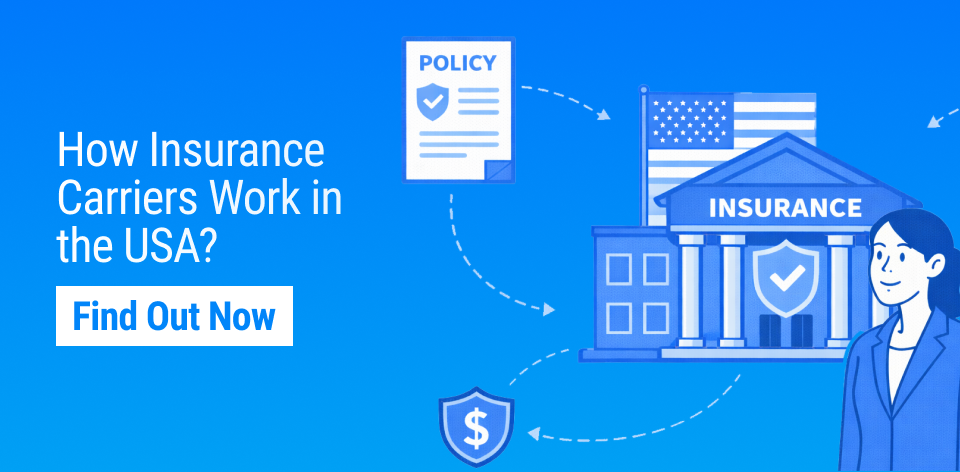

In modern regulated industries, organizations that assume financial responsibility for contractual risk play a foundational role in maintaining market stability. Within the United States, these entities operate under strict state-level oversight and must follow detailed compliance frameworks related to authorization, reporting, and operational governance.Businesses working within these ecosystems must ensure that all participating representatives are properly authorized before engaging in any transaction. This requires structured systems for verification, approval, and ongoing monitoring. Regulatory expectations emphasize accuracy, audit readiness, and continuous compliance across multiple jurisdictions.
Defining Risk-Bearing Entities and Their Responsibilities
A risk-bearing organization is a licensed entity that assumes financial responsibility for contractual obligations, manages exposure, and fulfills claims or obligations when required. These organizations are regulated at the state level and must meet strict operational and financial standards.
Core responsibilities typically include:
- Designing and managing contractual offerings
- Evaluating and accepting risk exposure
- Collecting payments or premiums
- Managing claims or service obligations
- Maintaining regulatory compliance and reporting
Regulatory frameworks require that these entities operate with transparency and maintain accurate records of all authorized representatives involved in distribution or servicing activities.
Compliance Requirements in Multi-State Operations
Compliance in regulated environments refers to meeting all legal and operational requirements related to authorization, monitoring, and reporting. In the United States, this becomes increasingly complex because each state maintains its own rules and timelines.
Organizations must manage:
- Authorization verification across jurisdictions
- Approval workflows for representatives
- Renewal and expiration tracking
- Prevention of unauthorized activity
A key requirement is that individuals must be both authorized and approved before conducting business. Any gap in this process can create compliance exposure and operational disruption.
Many modern organizations use centralized systems to maintain visibility and ensure that compliance workflows remain consistent and audit-ready.
The Importance of Unique Identifier Management
In regulated operations, unique identifiers are often assigned to individuals or entities to track relationships and activities. These identifiers help organizations maintain structured data and ensure accountability.
Why are identifiers important?
- They link individuals to specific organizations
- They support accurate tracking of transactions
- They enable compliance verification
- They improve reporting and audit readiness
Without proper identifier management, organizations may face inconsistencies in data, making compliance monitoring more difficult.
Authorization Workflows and Operational Structure
Authorization processes ensure that individuals are legally permitted to represent an organization. These workflows are critical in regulated environments and must be carefully managed.
A typical process includes:
- Verifying eligibility and credentials
- Submitting authorization requests
- Assigning identifiers
- Activating authorization status
- Monitoring renewals and updates
Each step must be completed accurately to ensure compliance. Missing or outdated authorizations can lead to operational delays and regulatory issues.
Structured workflows and automation help organizations maintain consistency and reduce manual errors.
Challenges in Managing Compliance at Scale
As organizations expand across multiple jurisdictions, compliance becomes more complex. Many still rely on manual processes or disconnected systems, which can lead to inefficiencies.
Common challenges include:
- Missed renewal deadlines
- Delayed authorization approvals
- Duplicate or inconsistent records
- Limited visibility into compliance status
In regulated environments, these challenges can result in penalties, audits, and reputational risks. Best practices recommend centralized systems that provide real-time tracking and reporting capabilities.
The Role of Automation in Modern Compliance Systems
Automation has become essential for managing compliance in complex operational environments. It allows organizations to streamline workflows and maintain accurate records without relying on manual processes.
Automation supports:
- Real-time tracking of authorizations
- Streamlined approval workflows
- Centralized data management
- Automated reporting and audit preparation
Modern platforms enable organizations to integrate compliance into their core operations, improving both efficiency and scalability.
Conclusion
Risk-bearing organizations play a critical role in regulated U.S. markets by managing financial exposure and ensuring compliance with legal requirements. Maintaining accurate authorization, tracking, and reporting systems is essential for operational success.As regulatory complexity increases, organizations must adopt structured and automated approaches to compliance. Centralized systems improve visibility, reduce risk, and support long-term scalability in regulated environments.Explore how modern compliance systems improve operational efficiency—visit https://agenzee.com/ to learn more about structured workflow management.