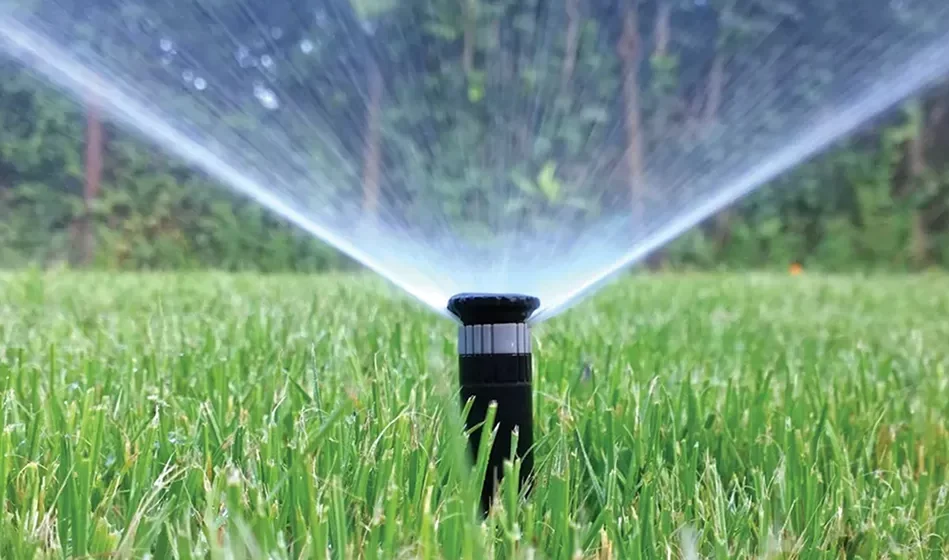

Sprinkler placement has a direct effect on how evenly and efficiently an irrigation system delivers water. Even a well-designed sprinkler can produce poor results if it is positioned too far from other units, installed at an unsuitable height, or aimed toward areas that do not require irrigation.
When planning an irrigation system, it is important to consider both the sprinkler itself and the recommendations provided by a Sprinkler Manufacturer. Correct placement helps ensure that the equipment operates within suitable conditions and that water reaches the intended area with minimal waste.
Why Sprinkler Placement Matters
The position of each sprinkler determines the area it can effectively cover. Poor placement can create dry zones, excessive overlap, runoff, or water application outside the target area.
A carefully planned layout helps distribute water more consistently. It also allows the irrigation system to operate more efficiently without relying on unnecessarily long watering times.
Consider the Sprinkler’s Coverage Radius
Every sprinkler has a specific coverage range based on its design and operating conditions. The actual spray radius can change with water pressure, nozzle selection, wind, and other factors.
When planning placement, use the sprinkler’s performance specifications as a starting point. Avoid assuming that the maximum stated radius will always occur under actual site conditions.
Use Appropriate Spacing
Spacing determines how individual sprinklers work together. If units are positioned too far apart, their spray patterns may not overlap sufficiently, leaving dry areas between them.
If they are placed too close together, excessive overlap can result in unnecessary water application. Proper spacing aims to provide sufficient coverage while maintaining a balanced application rate.
Account for Wind
Wind can significantly affect sprinkler placement because water droplets may be carried away from their intended destination. This is particularly important in open agricultural fields and exposed landscapes.
Where wind is a regular concern, sprinkler positioning should take prevailing conditions into account. Irrigation schedules may also be adjusted to operate during periods when wind speeds are lower.
Consider Site Boundaries
Sprinklers should be positioned with property lines, pathways, buildings, roads, and other non-irrigated areas in mind. Water sprayed onto these surfaces may provide no useful benefit and can contribute to waste.
For areas near boundaries, partial-circle or adjustable spray patterns may be more appropriate than equipment designed for full circular coverage.
Account for Soil Conditions
Soil type can influence how water behaves after it reaches the ground. Areas with slower infiltration may require careful consideration of sprinkler application rates and placement.
If water is applied too quickly, runoff can occur before it has time to infiltrate. Proper spacing and suitable sprinkler selection can help distribute water in a way that better matches soil characteristics.
Consider Plant and Crop Layout
The arrangement of plants can influence where water should be delivered. Agricultural crops may be planted in rows, while landscapes can contain irregular planting beds, lawns, and individual trees.
Sprinkler placement should reflect these patterns wherever practical. Directing water toward the active root zone can improve resource use and reduce unnecessary application.
Maintain Appropriate Installation Height
Installation height can affect the trajectory and distribution of water. Sprinklers positioned too low may have their spray blocked by vegetation or other obstacles.
At the same time, excessive height can increase exposure to wind and may make equipment more vulnerable to physical damage. The appropriate height depends on the sprinkler design and application.
Avoid Physical Obstructions
Walls, fences, trees, structures, equipment, and dense vegetation can interfere with sprinkler coverage. These obstacles should be identified during the planning stage.
A sprinkler that is partially blocked may create an uneven distribution pattern. Adjusting its location or selecting a different spray configuration can help overcome such limitations.
Consider Changes in Elevation
Slopes and changes in terrain can affect water pressure and distribution. Sprinklers located at different elevations within the same system may not receive identical operating conditions.
Irrigation designers should account for elevation differences when planning zones and selecting sprinkler locations. Pressure management may be necessary where significant changes in terrain exist.
Plan Sprinkler Zones Carefully
Large irrigation systems are often divided into separate zones. Each zone should group sprinklers with reasonably similar flow and pressure requirements.
Good zoning can help maintain more consistent operating conditions and make it easier to manage irrigation according to the needs of different areas.
Check Placement After Installation
Sprinkler placement should not be considered complete immediately after installation. The system should be operated and observed to confirm that the actual coverage matches the planned layout.
Look for:
- Dry areas
- Excessive overlap
- Water reaching unwanted surfaces
- Uneven spray patterns
- Pressure differences
- Blocked or obstructed coverage
Small adjustments to sprinkler positions can sometimes significantly improve overall distribution.
Reassess Placement Over Time
Landscapes and agricultural areas can change. Plants grow, soil shifts, structures may be added, and irrigation requirements can vary throughout the year.
Periodic reviews of sprinkler placement can help keep the system aligned with current conditions. Adjustments may be necessary when the site’s layout or water requirements change.
Common Placement Mistakes
Several mistakes can reduce irrigation effectiveness:
- Spacing sprinklers too far apart
- Ignoring wind direction
- Installing sprinklers near obstacles
- Using unsuitable spray patterns near boundaries
- Failing to account for elevation
- Positioning sprinklers without checking actual pressure
- Not testing coverage after installation
Avoiding these issues can improve both water distribution and overall system efficiency.
Final Thoughts
Proper sprinkler placement is a fundamental part of effective irrigation design. Spacing, coverage radius, wind, soil conditions, terrain, plant layout, installation height, and site boundaries all need to be considered before finalizing a sprinkler layout.
The goal is to create balanced coverage without unnecessary overlap or water loss. By planning carefully and testing the system after installation, irrigation users can improve water distribution and help their sprinklers perform more effectively throughout the operating season.