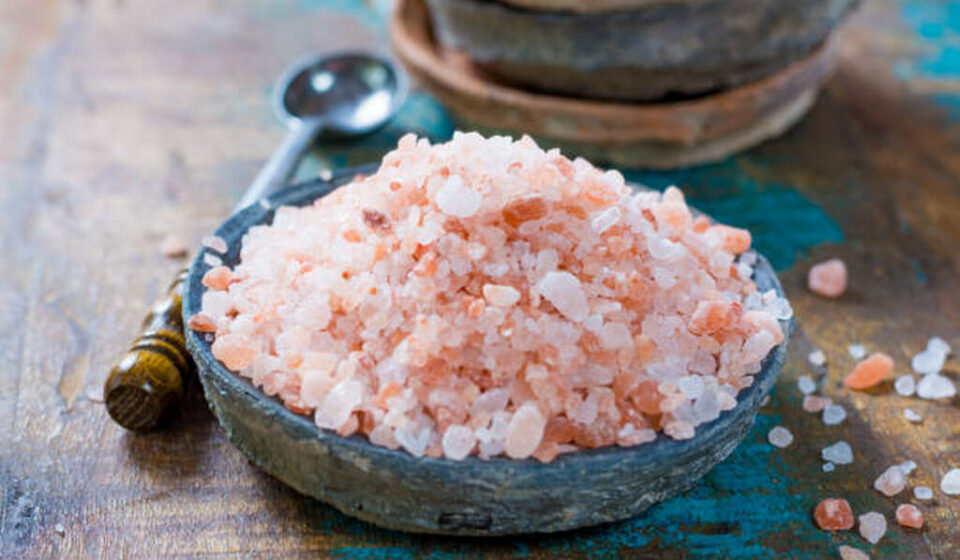

Walk into any spice shop, supermarket, or wellness store today and you’ll likely spot two similar-looking products sitting side by side: pink Himalayan salt and rock salt. At first glance, they might seem interchangeable — both are mined from the earth, both come in coarse crystal form, and both are marketed as “natural” alternatives to refined table salt. But if you look closer, you’ll find that these two salts differ in origin, mineral composition, texture, and use cases. For buyers — whether you’re a home cook, a retailer, or someone sourcing in bulk — understanding these differences can save you money and help you choose the right product for the right purpose.
This guide breaks down what pink Himalayan salt and rock salt actually are, how they differ, and what you should keep in mind before making a purchase.
What exactly are Pink Himalayan Salt and Rock Salt?
Before comparing the two, it helps to understand what each product actually is and where it comes from.
Pink Himalayan Salt: Origins and Composition
Pink Himalayan salt is mined primarily from the Khewra Salt Mine in the Punjab region of Pakistan, one of the largest and oldest salt mines in the world. The salt was formed millions of years ago when ancient sea beds were compressed under geological pressure, eventually forming vast underground deposits. Its distinctive pink to reddish hue comes from trace minerals — mainly iron oxide — embedded within the crystal structure, along with smaller amounts of calcium, potassium, and magnesium.
Because of its mineral content and visually appealing color, pink Himalayan salt has become popular not just as a food seasoning but also in decorative items like salt lamps, bath products, and spa treatments.
Rock Salt: A Broader, More General Category
Rock salt, sometimes called halite, is a broader term that refers to salt extracted directly from underground mineral deposits or salt mines, without significant processing. Unlike pink Himalayan salt, which refers to a specific type of salt from a specific geographic region, “rock salt” can describe salt sourced from many different locations around the world, including Pakistan, the United States, Europe, and beyond.
Rock salt typically appears white, gray, or slightly off-white, though color can vary depending on the mineral impurities present at the extraction site. It’s commonly used in food preparation, ice-melting applications during winter, water softening systems, and various industrial processes.
Interestingly, Pakistan is a major global source for both categories, and many rock salt exporters Pakistan based companies supply raw and processed salt to international markets for food, industrial, and decorative use. This overlap is part of why buyers sometimes confuse the two products — pink Himalayan salt is technically a specific type of rock salt.
Key Differences Buyers Should Understand
Now that we’ve covered the basics, let’s look at the practical differences that matter most when you’re deciding which type of salt to buy.
Color, Purity, and Mineral Content
The most obvious difference is color. Pink Himalayan salt gets its signature rosy tone from iron oxide and other trace minerals, while standard rock salt tends to be more neutral in color — white, gray, or translucent. This isn’t just cosmetic; the mineral content can also subtly affect flavor. Some people describe pink Himalayan salt as having a slightly milder, less harsh taste compared to plain rock salt or refined table salt, though the difference is often minor and largely subjective.
In terms of purity, both salts are generally less processed than standard table salt, which often has anti-caking agents and is stripped of trace minerals during refinement. However, the exact mineral profile of rock salt can vary significantly depending on where it was mined, since different regions have different geological histories.
Culinary Uses and Texture
Texture plays a big role in how each salt is used in the kitchen. Pink Himalayan salt is often sold in a range of grain sizes — from fine table-salt-like granules to large chunks used for salt blocks and grinding. It’s frequently used as a finishing salt, sprinkled over dishes just before serving to add a subtle crunch and visual appeal.
Rock salt, on the other hand, is usually coarser and less refined for direct table use. It’s commonly used in cooking applications like packing meats or seafood for baking (a technique sometimes called “salt-crusting”), or as a base layer for ice cream makers, where its coarse texture helps lower the freezing temperature of ice. It’s less common to see plain rock salt used as a finishing salt because of its larger, harder crystals and less consistent flavor profile.
Industrial and Non-Culinary Applications
Beyond the kitchen, rock salt has a much broader range of industrial applications compared to pink Himalayan salt. It’s widely used for de-icing roads and sidewalks in colder climates, as a water softener in residential and commercial systems, and in various manufacturing processes, including chemical production.
Pink Himalayan salt, while occasionally used in some industrial or decorative contexts (such as salt lamps and spa therapies), is primarily marketed toward food and wellness markets rather than heavy industrial use. This distinction matters for buyers: if you’re sourcing salt for de-icing or water treatment, plain rock salt is typically the more practical and cost-effective choice. If you’re looking for a finishing salt for culinary presentation or a decorative product, pink Himalayan salt may better suit your needs.
Given that Pakistan produces both types in large quantities, many businesses working with rock salt exporters Pakistan suppliers can access both culinary-grade Himalayan salt and more industrial-grade rock salt from the same general supply chain, depending on their specific sourcing requirements.
What Buyers Should Consider Before Purchasing
Choosing between pink Himalayan salt and rock salt isn’t just about picking whichever looks nicer on the shelf. Here are a few practical factors to weigh.
Intended Use Matters Most
Start by asking what you actually need the salt for. If you’re cooking and want a visually appealing finishing salt with a slightly different mineral taste, pink Himalayan salt is likely the better fit. If you need something for de-icing, water softening, or heavy-duty food preservation like curing or salt-crusting, standard rock salt may be more practical and often more affordable in bulk.
Sourcing and Bulk Purchasing Considerations
For buyers purchasing in bulk — whether for retail, food service, or industrial use — sourcing transparency is important. Since Pakistan is a significant global producer of both pink Himalayan salt and general rock salt, many international buyers work directly or indirectly with rock salt exporters Pakistan to secure consistent, large-volume supply. When sourcing in bulk, it’s worth asking about mining location, processing methods, and whether the product has been tested for purity and mineral content, since these factors can vary even within the same general product category.
Grain Size and Packaging
Finally, consider grain size and packaging format based on your application. Fine-grain salt works well for everyday cooking and table use, medium grains are often used for general seasoning and brining, and coarse or block forms are better suited for grilling, curing, or decorative purposes. Rock salt used for de-icing or industrial purposes is typically sold in much larger, unrefined chunks, since fine grinding isn’t necessary — or even desirable — for those applications.
Final Thoughts
Pink Himalayan salt and rock salt may look similar on the surface, but they serve different purposes depending on their mineral composition, texture, and intended use. Pink Himalayan salt tends to be favored for culinary presentation, wellness products, and lighter industrial applications like decorative lamps, while standard rock salt is more commonly used for heavy-duty tasks like de-icing, water treatment, and food preservation techniques.
For buyers, the key takeaway is to match the product to the purpose rather than assuming one type of salt can substitute for the other in every situation. Understanding the origin, texture, and processing level of the salt you’re purchasing — whether it’s a finely ground finishing salt or a coarse industrial-grade product — will help you make a more informed decision, especially when sourcing in bulk from established production regions known for high-quality output, such as those supplied by rock salt exporters Pakistan has become known for on the global market.