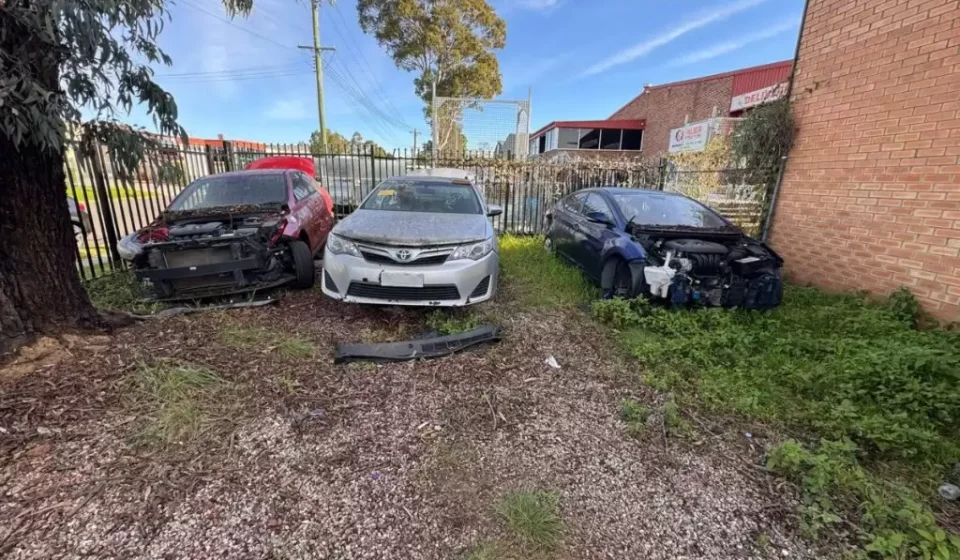

Owning an old car often turns into a cycle of constant repairs and rising costs. If you are spending money every few months just to keep your vehicle running, there is a smarter way to handle it. The practical solution is to evaluate repair costs, understand your car’s declining value, and consider alternatives like selling or recycling the vehicle before it drains more money.
This guide explains when to stop repairing your car, how much repairs actually cost in Australia, and what better options are available. By the end, you will have a clear plan to avoid unnecessary expenses and make a financially sound decision.
Why Old Cars Become Expensive To Maintain
Old cars become expensive because wear and tear affects multiple components at once. Engines, transmissions, suspension systems, and electrical parts start failing after 8–10 years of use.
Here are 5 common reasons repair costs increase:
- Frequent breakdowns (e.g., overheating, battery failure)
- Expensive parts replacement (e.g., transmission, ABS sensors)
- Reduced fuel efficiency over time
- Outdated technology requiring manual fixes
- Limited availability of spare parts for older models
According to automotive servicing trends in Australia, cars older than 10 years require 2–3 major repairs annually, compared to 1 minor repair for newer vehicles. This pattern leads to increasing maintenance bills every year, which often exceed the car’s actual value.
This rising cost naturally leads to the next question—how much is too much when it comes to repairs?
How Much Is Too Much To Spend On Repairs
Spending more than your car’s value on repairs is financially inefficient. A simple rule helps: if repair costs exceed 50% of your car’s market value, replacing or selling the car becomes the smarter option.
Here is a clear comparison:
| Car Value (AUD) | Repair Cost (AUD) | Smart Decision |
|---|---|---|
| $3,000 | $1,500 | Consider selling |
| $5,000 | $2,500 | Evaluate carefully |
| $8,000 | $4,500 | Replace or sell |
For example, if your car is worth $4,000 and needs $2,200 in repairs, continuing to fix it results in diminishing returns. Instead, exploring options like cash for cars South Brisbane services provides a practical way to recover value without further investment.
Understanding repair limits helps, but knowing the warning signs of a failing car makes decision-making even easier.
Signs Your Car Is No Longer Worth Repairing
A car stops being worth repairing when problems become frequent and expensive. Recognizing these signs early prevents unnecessary spending.
Frequent Mechanical Failures
Recurring engine or transmission issues indicate deeper problems that repairs cannot fully resolve.
Rising Repair Frequency
Visiting a mechanic every 2–3 months signals ongoing deterioration.
Safety Concerns
Faulty brakes, worn suspension, or ABS failures reduce road safety and increase risk.
Poor Fuel Efficiency
Older engines consume more fuel, increasing daily running costs.
Decreasing Resale Value
Cars older than 12–15 years lose value rapidly, making repairs harder to justify.
Once these signs appear, continuing repairs becomes a short-term fix rather than a long-term solution. This is where exploring alternative options becomes important.
Smarter Alternatives To Constant Repairs
Instead of paying for repeated fixes, switching to smarter alternatives saves money and time. These options provide better value and reduce long-term stress.
Sell Your Car As-Is
Selling your car in its current condition avoids repair costs and still generates cash.
Trade-In For A Newer Vehicle
Dealers accept older vehicles and offer discounts on newer models.
Recycle Or Scrap The Vehicle
Scrapping ensures safe disposal and allows you to earn from recyclable parts like metal and batteries.
Use Car Removal Services
Car removal companies collect vehicles directly from your location, saving time and towing costs.
These options remove the burden of maintenance while helping you recover some value from your old car. Before choosing one, it is helpful to understand the financial impact of repairs versus replacement.
Repair Vs Replace A Cost Comparison
Comparing repair costs with replacement expenses provides a clear picture of what makes financial sense.
| Factor | Repair Old Car | Replace Car |
|---|---|---|
| Initial Cost | Low | High |
| Long-Term Cost | High | Moderate |
| Reliability | Low | High |
| Fuel Efficiency | Low | High |
| Safety Features | Outdated | Modern |
For example, spending $3,000 annually on repairs over 3 years equals $9,000. That amount often covers a reliable used car with fewer issues. In such cases, choosing services like cash for cars near me helps recover money that can go toward a better vehicle.
Now that the numbers are clear, it becomes easier to decide when to stop repairs completely.
When To Stop Repairing And Take Action
Stopping repairs at the right time prevents financial loss. The decision becomes clear when repair costs, inconvenience, and safety risks outweigh the car’s usefulness.
You should stop repairing your car when:
- Repair costs exceed 50% of car value
- Breakdowns happen more than 3 times per year
- Safety issues affect driving confidence
- Fuel and maintenance costs keep rising
At this stage, holding onto the car only increases expenses. Taking action early ensures better financial outcomes and reduces stress.
After understanding the right timing, it helps to know how professional services make the transition easier.
A Practical Solution Many Car Owners Choose
Many Australian car owners choose professional car removal services to deal with old vehicles quickly and efficiently. Companies like A1 wreckers operate as a reliable option by offering car removal, fair pricing, and environmentally responsible recycling. Their approach simplifies the process, especially for vehicles that are no longer roadworthy or too costly to repair.
This type of solution fits naturally when repairs stop making sense and you need a straightforward way to move on.
Environmental Benefits Of Recycling Old Cars
Recycling old cars reduces environmental impact and supports sustainable practices. Vehicles contain recyclable materials like steel, aluminium, and plastic.
Here are 4 key environmental benefits:
- Reduces landfill waste from unused vehicles
- Conserves natural resources by reusing metals
- Lowers energy consumption in manufacturing
- Prevents harmful fluids from polluting soil and water
In Australia, vehicle recycling contributes significantly to reducing industrial waste. Choosing recycling over repairs not only saves money but also benefits the environment.
How To Get The Best Value For Your Old Car
Getting maximum value requires a few simple steps before selling or scrapping your vehicle.
Compare Multiple Offers
Request quotes from at least 3 buyers to understand market value.
Remove Personal Belongings
Check the car thoroughly before handing it over.
Keep Basic Documents Ready
Ownership proof and identification speed up the process.
Be Honest About Condition
Accurate details help get fair pricing without delays.
Following these steps ensures a smooth transaction and avoids last-minute issues.
Conclusion
Old cars become expensive when repair costs keep rising and reliability keeps dropping. The smarter approach involves assessing costs early, recognizing warning signs, and choosing alternatives like selling or recycling. This shift saves money, reduces stress, and provides better long-term value.
Making the right decision at the right time ensures you stop wasting money on repairs and move toward a more reliable solution.
Explore helpful insights and guides in our blog section to make better car-related decisions.
