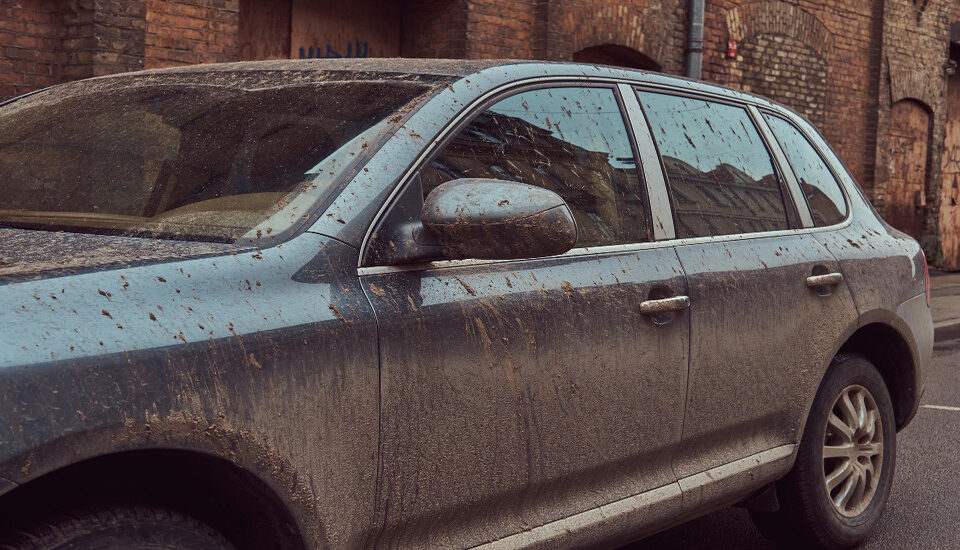

An old car sitting in your driveway can still hold significant value. Many car owners assume a vehicle loses all worth after years of use, but hidden factors like parts demand, metal value, and condition often increase its resale potential. Understanding these factors helps you identify whether your car is worth hundreds or even thousands of dollars.
This guide explains exactly how to evaluate your old car’s value using simple steps. It also highlights common mistakes that reduce your return and shows how to maximise your payout without confusion.
What Determines The Value Of Your Old Car
Your old car’s value depends on 5 key factors: condition, demand, age, weight, and reusable parts. Each factor contributes directly to how much buyers are willing to pay.
Condition plays a major role. A running car with minor damage holds more value than a completely damaged vehicle. However, even non-running cars retain value through parts and scrap metal.
Demand also affects price. Popular models, such as Toyota Corolla or Ford Ranger, have higher resale demand because parts are easier to sell.
Weight matters because scrap yards price cars based on metal content. Heavier vehicles like SUVs often bring higher returns compared to smaller cars.
Understanding these factors helps you move to the next step—accurate valuation.
How To Check Your Car’s Market Value
To check your car’s value, compare recent listings, inspect condition, and request quotes from multiple buyers. This method gives a realistic price range within 24 hours.
Start by checking online marketplaces in Australia. Look at similar models with the same year, condition, and mileage. This provides a baseline value.
Next, inspect your vehicle honestly. Note issues like engine faults, body damage, or missing parts. Transparency improves accuracy when requesting quotes.
Then contact buyers such as dealers and scrap car yard Sydney NSW services to compare offers. Each buyer values the car differently, so comparing at least 3 quotes ensures a fair deal.
Once you have estimated value, you can identify hidden worth in parts.
Hidden Value In Car Parts Most Owners Ignore
Your old car often contains 10+ valuable components that can be sold individually. These parts significantly increase total value compared to selling the car as a whole.
Common high-value parts include:
- Engine and transmission
- Catalytic converter (contains precious metals)
- Battery and alternator
- Wheels and tyres
- Radiator and air conditioning system
For example, a working engine alone can sell for $500–$2,000 depending on the model. Catalytic converters can fetch hundreds due to metals like platinum and palladium.
Selling parts requires effort, but it often produces higher returns. If you prefer convenience, selling the entire car remains the easier option.
This brings us to scrap value, which many owners underestimate.
Understanding Scrap Metal Value In Australia
Scrap value depends on metal weight and current market rates in Australia. Prices change weekly based on global demand for recycled metals.
Here is a simple breakdown:
| Vehicle Type | Average Weight | Estimated Scrap Value (AUD) |
|---|---|---|
| Small Car | 1,000–1,200 kg | $200–$400 |
| Sedan | 1,300–1,600 kg | $300–$600 |
| SUV/4WD | 1,800–2,500 kg | $500–$900 |
According to industry insights, metal recycling contributes significantly to Australia’s economy, with millions of tonnes processed annually. This keeps scrap car demand consistent.
Even if your car is damaged beyond repair, its metal ensures it still has value. But before selling, it helps to know where you get the best deal.
Where To Sell Your Old Car For Maximum Value
You can sell your old car through 4 main options: private buyers, dealerships, wreckers, and scrap services. Each option suits different situations.
Private buyers often pay higher prices but take longer to find. Dealerships offer convenience but lower payouts.
Car wreckers specialise in dismantling vehicles and buying usable parts. They usually offer competitive rates for damaged cars.
Scrap services focus on metal value and quick removal. Many companies offering cash for not running cars Sydney provide same-day pickup and instant payment, which suits urgent situations.
Choosing the right option depends on your priorities—time, effort, or maximum profit.
At this stage, many sellers prefer a balanced approach that offers both fair pricing and convenience.
A well-known example in the market is Cash for Cars Sydney, often mentioned by car owners for providing reliable evaluations and straightforward processes. Industry feedback suggests that such services simplify selling by combining fair quotes with quick vehicle removal, making them a practical option when dealing with unwanted cars.
Now that you know where to sell, it is important to avoid common mistakes.
Common Mistakes That Reduce Your Car’s Value
Many car owners lose hundreds of dollars due to avoidable mistakes. Identifying these errors ensures you get the correct value.
The most common mistakes include:
- Not comparing multiple quotes
- Hiding vehicle damage
- Ignoring valuable parts
- Delaying sale while the car depreciates further
- Accepting the first offer without negotiation
For example, accepting a single quote can reduce your return by 20–30%. Comparing at least three buyers increases your chances of getting a fair price.
Avoiding these mistakes puts you in control of the selling process.
How To Increase Your Car’s Value Before Selling
You can increase your car’s value by 10–25% with simple improvements. These steps require minimal effort but deliver noticeable results.
Start with basic cleaning. A clean interior and exterior improve first impressions instantly.
Remove personal items and minor clutter. This makes inspection easier for buyers.
Fix small issues like replacing bulbs or topping up fluids. These low-cost fixes show that the car has been maintained.
Gather all documents, including registration papers and service history. Complete documentation builds buyer confidence and often increases offers.
With these improvements, your car becomes more appealing to buyers.
Final Thoughts
Your old car often holds more value than expected. Factors like condition, parts demand, and scrap metal pricing all contribute to its worth. By checking the market, comparing quotes, and avoiding common mistakes, you can uncover its true value and secure a better deal.
Selling an old car does not require guesswork. A clear process ensures you get paid fairly without unnecessary delays.
Explore more helpful guides in our blog section.