
Energy storage is no longer limited to keeping a battery charged until a power cut occurs. Modern systems can monitor electricity flows, respond to changing demand, coordinate with solar generation, and provide information that helps users manage consumption. These capabilities can make stored energy more useful in homes, businesses, and remote applications.
A Smart Energy Storage Generator is a battery-based power system that combines energy storage with electronic controls and monitoring features. Depending on the model, it may manage charging, discharge, inverter output, and communication with external energy sources. The term smart describes its control and monitoring capabilities; it does not mean that every product offers the same level of automation or grid interaction.
From Battery Storage to Managed Energy
A basic battery stores electricity and releases it when a load is connected. A smart storage system adds controls that monitor operating conditions and coordinate how energy moves between the battery, appliances, solar panels, and sometimes the utility grid.
The system may use sensors, software, communication interfaces, and programmable settings to respond to energy demand. For example, it may prioritize charging from solar generation or retain a battery reserve for backup.
The exact functions depend on the inverter, battery management system, and energy management software. Buyers should review the product documentation to understand what the system can actually control.
1. Monitoring Energy in Real Time
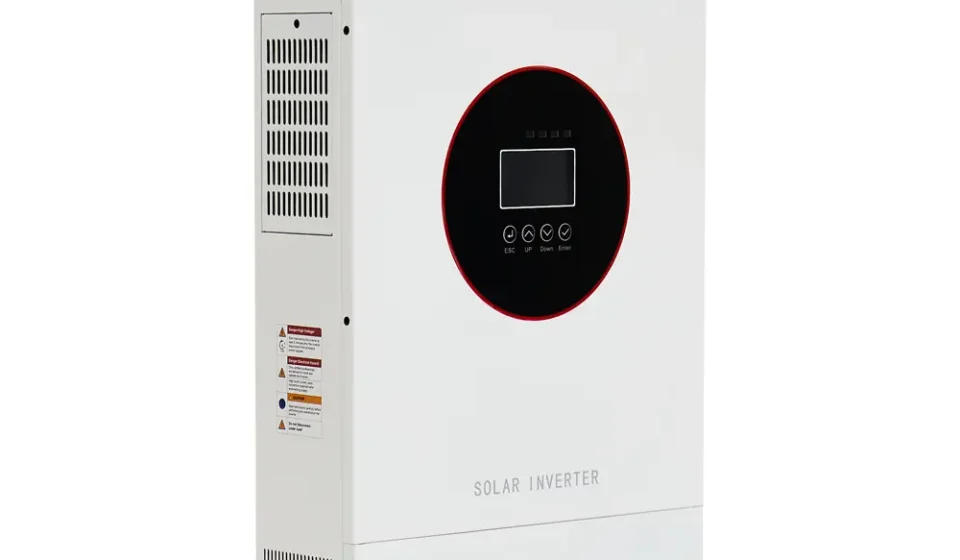
A monitoring interface can display battery charge, input power, output demand, solar generation, and other operating information. Some systems provide this data through a screen, mobile application, or web-based dashboard.
This visibility can help users understand when electricity is being generated, stored, and consumed. It may also reveal patterns that are not obvious from a monthly utility bill.
Monitoring information should be treated as an operational aid rather than a substitute for professional inspection. If the system reports a fault or abnormal temperature, users should follow the manufacturer’s instructions.
2. Coordinating Solar Generation and Battery Storage
A smart storage system may be designed to work with solar panels. During periods of strong generation, the controls can direct available energy toward connected loads and, where appropriate, charge the battery with surplus electricity.
When solar output falls, stored energy may be used to supply selected loads. This can increase the share of solar electricity consumed at the property.
The results depend on panel capacity, battery size, inverter rating, household or business demand, and control settings. Seasonal sunlight and weather conditions also influence performance.
3. Managing Backup Reserves
Some systems allow users or installers to set a minimum battery reserve for emergency use. This can prevent the battery from being fully depleted during ordinary operation and leave energy available for selected loads if the grid fails.
The appropriate reserve depends on the property’s priorities. A home that needs overnight backup may require a different setting from a business that mainly wants to manage daytime electricity consumption.
Backup operation also depends on the system’s inverter and transfer design. A battery does not automatically provide outage protection unless the installation includes the required backup functionality.
4. Understanding Load Management
Advanced storage systems may support programmable schedules or load-management functions. These can help shift certain activities to periods when solar generation is available or electricity prices are lower, where the system and local tariff arrangements permit.
For example, a facility might schedule selected charging loads during a preferred period. A home may prioritize battery charging before an expected high-demand evening period.
These strategies work only when the system has accurate information and compatible controls. Users should also ensure that essential equipment remains supplied when schedules or settings change.
5. Battery Management and Safety
The battery management system monitors important conditions within the battery pack. Depending on the design, it may track cell voltage, temperature, current, and state of charge.
It can restrict operation when conditions move outside specified limits. The inverter may provide additional protection against overload, short circuits, and abnormal output conditions.
Smart monitoring does not remove the need for safe installation. Batteries should be used within the manufacturer’s temperature and environmental limits, and fixed electrical connections should be installed by qualified professionals.
6. Selecting the Right Capacity and Inverter
A smart storage system should be sized according to both energy needs and maximum power demand. Battery capacity, measured in kWh, indicates stored energy, while inverter output, measured in kW, determines how much load can be supplied at once.
List the devices that need backup, their running power, and their expected operating time. Include starting demand for motors and compressors. If the system will work with solar panels, verify the permitted DC input range and panel compatibility.
7. Connectivity and Long-Term Support
Some smart systems rely on network connections for remote monitoring, updates, or application features. Buyers should check what functions remain available if the internet connection is interrupted.
Review software support, data access, warranty terms, and the availability of technical assistance. The system should remain safe and functional even if optional monitoring services are temporarily unavailable.
Making Better Use of Stored Electricity
A smart energy storage generator can help users understand and manage electricity flows more effectively. Its value comes from combining suitable battery capacity with useful controls, compatible power conversion equipment, and a clear operating strategy.
Compare monitoring features, backup functions, solar compatibility, inverter ratings, protection systems, and support arrangements before selecting a model. A well-designed installation can make stored energy more practical for everyday power management.