
Modern industries demand lightweight, durable, and highly accurate components that can withstand challenging operating conditions. From aerospace systems to automotive manufacturing, precision-engineered materials are essential for maintaining efficiency, safety, and performance. This is where aluminum extrusion services play a critical role. By shaping aluminum into custom profiles with exceptional accuracy, manufacturers can create components that meet strict industry standards while reducing production costs and improving design flexibility.
The growing demand for high-performance products has increased the need for advanced manufacturing techniques. Precision extrusion technology allows businesses to produce strong and lightweight parts with excellent thermal conductivity, corrosion resistance, and structural integrity. Whether for industrial machinery, transportation systems, or electronic equipment, customized aluminum profiles provide long-lasting and reliable solutions.
The Importance of Precision in Aluminum Extrusion
Precision is one of the most valuable aspects of modern aluminum extrusion services. Manufacturers rely on accurate tolerances and consistent profile dimensions to ensure seamless assembly and optimal product performance. Even the smallest variation in shape or size can impact functionality, particularly in industries such as aerospace, medical equipment, and electronics.
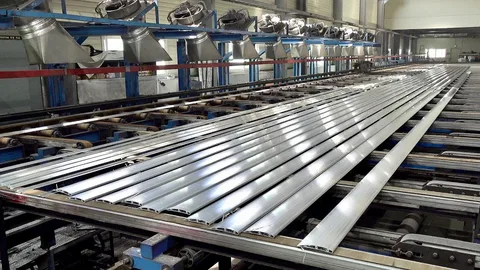
High-precision extrusion processes use advanced dies, automated controls, and quality testing systems to produce profiles with exceptional consistency. This level of accuracy helps reduce material waste, improves assembly efficiency, and lowers production costs. Precision extrusion also allows manufacturers to integrate complex features into a single profile, reducing the need for additional machining and simplifying production workflows.
Key Benefits of Precision Extrusion
- Tight dimensional tolerances for accurate component fitting
- Improved structural strength and durability
- Reduced material waste and manufacturing costs
- Enhanced surface finish and appearance
- Greater efficiency in large-scale production
Applications of High-Performance Aluminum Components
High-performance aluminum components are widely used across multiple industries because of their lightweight nature and excellent mechanical properties. In the automotive industry, extruded aluminum parts contribute to fuel efficiency by reducing vehicle weight while maintaining structural integrity. Aerospace manufacturers also depend on precision extrusions for aircraft frames, seating structures, and interior components.
In the electronics sector, aluminum extrusion services are used to create heat sinks and enclosures that provide excellent thermal management. Construction companies use extruded aluminum for windows, curtain walls, and architectural frameworks because of its corrosion resistance and modern appearance. Industrial machinery manufacturers also benefit from custom extrusions for conveyor systems, support structures, and automation equipment.
Common Industries Using Aluminum Extrusions
- Aerospace and aviation
- Automotive and transportation
- Electronics and telecommunications
- Construction and architecture
- Renewable energy and industrial equipment
Advanced Manufacturing Techniques in Aluminum Extrusion
Modern extrusion facilities use advanced manufacturing technologies to improve product quality and production efficiency. Computer-aided design (CAD) software allows engineers to create highly detailed profile designs before production begins. This ensures that each extrusion meets exact performance requirements and customer specifications.
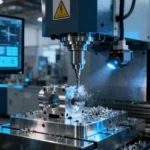
State-of-the-art extrusion presses and automated handling systems improve consistency throughout the manufacturing process. Secondary services such as CNC machining, drilling, cutting, anodizing, and powder coating further enhance the final product. By offering complete aluminum extrusion services, manufacturers can provide customers with ready-to-use components that require minimal additional processing.
Advanced Features of Modern Extrusion Services
- Computer-controlled extrusion systems
- Custom die design for complex profiles
- CNC machining and fabrication services
- Surface finishing and coating options
- Strict quality control and inspection processes
These advanced manufacturing capabilities help companies produce innovative products while maintaining high levels of efficiency and reliability. Precision extrusion also supports sustainable manufacturing by minimizing waste and maximizing material usage.
Customization and Design Flexibility
One of the greatest advantages of aluminum extrusion services is the ability to create highly customized designs. Unlike traditional manufacturing methods, extrusion allows engineers to develop complex shapes tailored to specific applications. This flexibility makes aluminum extrusion ideal for industries requiring specialized performance characteristics and unique structural designs.
Custom extrusions can include hollow sections, multiple channels, integrated fastening systems, and lightweight reinforcement structures. By combining multiple functions into a single profile, manufacturers can reduce assembly time and lower production costs. Design flexibility also enables faster product development and easier modifications during the prototyping stage.
Advantages of Custom Aluminum Profiles
- Ability to create unique and complex shapes
- Reduced assembly and fabrication requirements
- Lightweight structures with high strength
- Improved thermal and electrical performance
- Faster prototyping and product development
Additionally, aluminum’s recyclability makes it an environmentally friendly material choice. Businesses seeking sustainable manufacturing solutions often choose aluminum because it can be recycled repeatedly without losing its mechanical properties.
Quality Assurance and Long-Term Performance
Quality assurance is essential for ensuring the reliability and durability of extruded aluminum components. Leading providers of aluminum extrusion services follow strict quality control procedures throughout the manufacturing process. From raw material selection to final inspection, every stage is carefully monitored to meet industry standards and customer expectations.
Testing methods such as dimensional inspections, tensile strength analysis, and surface quality evaluations help ensure consistent performance. Protective finishing options like anodizing and powder coating improve corrosion resistance and enhance the appearance of aluminum profiles. These treatments also increase the lifespan of components used in harsh environmental conditions.
Important Quality Control Measures
- Material composition testing
- Dimensional accuracy inspections
- Surface finish evaluations
- Mechanical strength testing
- Corrosion resistance assessments
Long-term performance is especially important in demanding applications such as transportation, industrial machinery, and renewable energy systems. High-quality aluminum extrusions offer excellent resistance to wear, temperature fluctuations, and environmental exposure, making them a reliable choice for critical applications.
Conclusion
Precision manufacturing has become a necessity in today’s competitive industrial environment, and aluminum extrusion services provide the ideal solution for producing high-performance components with exceptional accuracy and durability. By combining lightweight strength, corrosion resistance, and design flexibility, aluminum extrusions meet the demands of industries ranging from aerospace and automotive to electronics and construction.
Advanced manufacturing technologies, custom design capabilities, and strict quality control standards ensure that extruded aluminum components deliver reliable performance over the long term. Businesses that invest in precision aluminum extrusion benefit from reduced production costs, improved product efficiency, and greater design innovation. As industries continue to seek sustainable and high-performing materials, aluminum extrusion will remain a vital manufacturing process for the future.