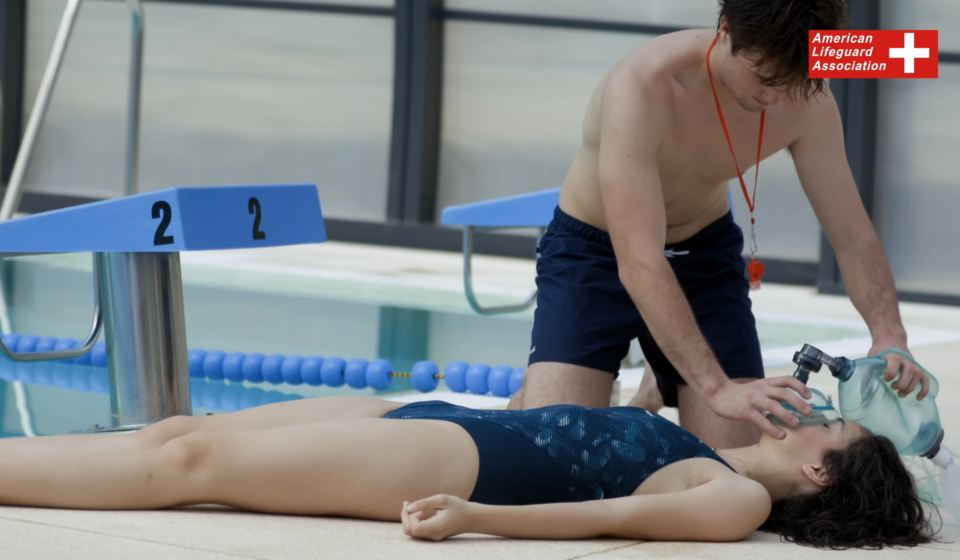

Lifeguard Certification: Complete Guide to Becoming a Certified Lifeguard
A career as a lifeguard requires more than strong swimming skills. Lifeguards need the ability to recognize aquatic emergencies, perform water rescues, provide CPR and First Aid, and respond appropriately when someone is in danger.
A professional lifeguard certification provides the training and knowledge needed to prepare individuals for these responsibilities. The American Lifeguard Association (ALA) offers certification programs that combine lifeguarding, water rescue, CPR/AED, First Aid, emergency response, and injury prevention training.
Whether you are becoming a lifeguard for the first time or renewing an existing credential, understanding the certification process can help you choose the right training program.
What Is Lifeguard Certification?
Lifeguard certification confirms that an individual has successfully completed the required lifeguarding training and assessments for a specific certification program.
A professional lifeguard certification typically covers several essential areas, including:
- Water rescue techniques
- Lifeguard surveillance
- Emergency response
- CPR/AED
- First Aid
- Injury prevention
- Emergency action procedures
- Victim recognition and rescue
- Swimming and water skills
The American Lifeguard Association’s current certification program includes professional lifeguarding, water rescue, CPR/AED for the Professional Rescuer, First Aid, prevention and surveillance, head, neck and spinal injury response, and emergency action plan concepts.
Why Is Lifeguard Certification Important?
Aquatic emergencies can develop quickly. A trained lifeguard needs to recognize problems early and take appropriate action.
Certification training helps candidates develop the knowledge and practical abilities needed to:
- Prevent aquatic emergencies
- Identify swimmers in distress
- Perform water rescues
- Respond to drowning emergencies
- Provide CPR
- Use an AED
- Provide First Aid
- Respond to injuries
- Follow emergency action plans
- Work safely in an aquatic facility
For employers, having properly trained and certified lifeguards is also an important part of maintaining an organized aquatic safety program.
What Does American Lifeguard Certification Include?
The American Lifeguard Association provides a certification package that includes several important credentials and training components.
Successful participants can receive certification in:
Lifeguarding
Lifeguarding training focuses on prevention, surveillance, water rescue, emergency response, and other skills needed for professional aquatic safety.
CPR/AED
CPR/AED training prepares participants to respond to breathing and cardiac emergencies and use an automated external defibrillator when appropriate.
First Aid
First Aid training helps lifeguards respond to injuries and sudden illnesses while waiting for emergency medical assistance.
ALA states that successful participants receive Lifeguarding, CPR/AED, and First Aid certifications that are valid for two years.
Lifeguard Certification Requirements
Before registering for a certification program, candidates should make sure they meet the applicable age, swimming, physical, and course requirements.
ALA’s published requirements include:
- Minimum age of 15 years
- Ability to swim 300 yards continuously
- Ability to tread water for 2 minutes using only the legs
- Completion of a timed swimming and retrieval event
- Swimming 20 yards
- Retrieving a 10-pound object from approximately 7–10 feet of water
- Returning to the starting point
- Exiting the water without using steps or a ladder
The published timed event must be completed within 1 minute and 40 seconds.
Candidates should always review the current prerequisites for the specific certification pathway they plan to take.
How to Get Lifeguard Certification
The process of becoming certified can be broken down into several steps.
Step 1: Check the Requirements
First, make sure you meet the age and swimming requirements for the certification program.
You should be comfortable swimming continuously, treading water, and performing the required rescue-related swimming skills.
Step 2: Choose the Right Certification Program
The American Lifeguard Association provides different training pathways, including first-time professional lifeguard certification, shallow-water certification, and recertification.
Your choice should depend on your previous certification experience and the type of aquatic facility where you plan to work.
Step 3: Complete the Training Materials
ALA’s program uses instructor-led video training and online educational materials.
Participants review training videos and reference materials covering lifeguarding, rescue techniques, CPR/AED, First Aid, and other essential skills.
Step 4: Learn and Practice the Required Skills
Certification is not simply about studying information.
Candidates need to understand and be capable of performing the swimming, rescue, CPR/AED, and First Aid skills associated with the program.
Employers may also assess practical skills before assigning a certified individual to active lifeguard duties.
Step 5: Complete the Final Examination
After completing the training materials and preparing for the required skills, candidates take the final examination.
ALA’s published information states that a score of 80% or higher is required, with retakes available according to its program requirements.
Step 6: Receive Your Lifeguard Certification
After successfully completing the required certification process, ALA provides certification records and digital certification.
The organization states that certification records are placed in a national verification system, digital certification is sent by email, and a waterproof wallet-size certification card is mailed.
How Long Is Lifeguard Certification Valid?
American Lifeguard Association certifications in Lifeguarding, CPR/AED, and First Aid are valid for two years from the date issued.
Lifeguards should keep track of their expiration date and begin the renewal process before their credentials expire.
Regular practice is also important because lifeguarding skills can decline without continued training and repetition.
Lifeguard Certification for Beginners
You do not necessarily need previous lifeguarding experience to become certified.
ALA offers first-time lifeguard certification for candidates who meet the applicable prerequisites. The program is designed to provide entry-level participants with the knowledge and skills needed to prevent, recognize, and respond to aquatic emergencies.
The most important preparation for beginners is developing sufficient swimming ability and becoming familiar with the physical requirements before starting the course.
Online Lifeguard Certification
Many people search for online lifeguard certification because they want a flexible way to complete the educational portion of their training.
The American Lifeguard Association describes its program as a blended, instructor-led video training program with online materials and a final online examination.
However, candidates should understand that lifeguarding involves practical skills. They need to be familiar with and capable of performing the required swimming, rescue, CPR/AED, and First Aid skills.
Online learning can make the educational portion more flexible, but candidates should also understand any practical assessment requirements associated with their employer or aquatic facility.
Lifeguard Certification for Different Aquatic Facilities
Lifeguards can work in many different aquatic environments, and training needs can vary depending on the facility.
Swimming Pool Lifeguard Certification
Pool lifeguards monitor swimmers, identify potential hazards, prevent emergencies, and respond to incidents within the facility.
Waterpark Lifeguard Certification
Waterparks can include slides, attractions, pools, and other specialized aquatic environments. Lifeguards may need to understand facility-specific procedures in addition to their core certification skills.
Beach and Waterfront Lifeguard Certification
Natural-water environments can involve conditions that differ from swimming pools. Employers may have additional requirements based on the location and operating environment.
Shallow Water Lifeguard Certification
ALA also offers a shallow-water certification pathway for appropriate aquatic environments. Candidates should confirm that their certification matches the depth, facility design, and requirements of the workplace.
Lifeguard Certification vs. Lifeguard Recertification
These two terms are related but serve different purposes.
Lifeguard certification is generally for people becoming certified for the first time.
Lifeguard recertification is intended for individuals who already hold or previously held a qualifying lifeguard certification and need to renew their credentials.
ALA’s recertification program is designed for previously certified lifeguards and provides a new two-year certification covering Lifeguarding, CPR/AED, and First Aid.
If you have never been certified before, a first-time lifeguard certification program is generally the appropriate starting point.
What Skills Do You Learn During Lifeguard Certification?
A professional certification program can cover a wide range of important skills.
Water Rescue
Candidates learn how to recognize distressed swimmers and use appropriate rescue techniques.
Surveillance
Lifeguards learn how to monitor an aquatic environment and identify potential emergencies.
CPR and AED
Candidates learn how to respond to cardiac and breathing emergencies using CPR and an AED.
First Aid
Training helps candidates respond to injuries and sudden illnesses until additional medical assistance is available.
Spinal and Head Injury Response
Lifeguards may encounter injuries involving the head, neck, or spine. ALA’s current certification program includes training related to these emergencies.
Emergency Action Plans
Candidates learn about emergency procedures and the importance of coordinated responses during aquatic incidents.
How Long Does It Take to Get Lifeguard Certification?
The total time can vary depending on the training format and the participant’s schedule.
ALA states that traditional lifeguard training is approximately 25 hours, while its program allows participants to work through the certification process at their own pace and potentially complete it within a few days or a weekend.
Candidates should allow enough time to review the materials and develop confidence with the required skills rather than focusing only on completing the course quickly.
What Happens After You Get Certified?
Receiving your lifeguard certification is an important step, but maintaining your skills is equally important.
After certification, lifeguards should:
- Practice rescue skills regularly
- Maintain swimming ability
- Review CPR/AED procedures
- Participate in facility training
- Understand the facility’s emergency action plan
- Keep certification credentials accessible
- Monitor the certification expiration date
- Complete recertification when required
Aquatic employers may conduct pre-service and in-service evaluations to ensure lifeguards remain prepared for their specific facility.
Why Choose the American Lifeguard Association?
The American Lifeguard Association has provided lifeguard and health-and-safety training since 1990. ALA states that its affiliated aquatic organizations have trained more than 250,000 individuals worldwide.
ALA’s certification program combines lifeguarding with CPR/AED and First Aid, while also providing digital certification and a national verification record after successful completion.
For people searching for a lifeguard certification, the program provides a structured way to learn essential aquatic safety and emergency-response skills.
Frequently Asked Questions About Lifeguard Certification
What is lifeguard certification?
Lifeguard certification confirms that an individual has completed the required training and assessments for a specific lifeguarding certification program.
How old do you have to be to get lifeguard certification?
ALA’s published requirements state that candidates must be at least 15 years old for its lifeguard training program.
How long is lifeguard certification valid?
ALA Lifeguarding, CPR/AED, and First Aid certifications are valid for two years from the date issued.
Do I need to know how to swim to become a certified lifeguard?
Yes. Candidates must meet the swimming and physical prerequisites for the certification program. ALA’s published requirements include a 300-yard continuous swim, two minutes of treading water using the legs, and a timed swimming and retrieval event.
Can I get lifeguard certification online?
ALA offers a blended program using instructor-led videos, online materials, and an online final examination. Candidates must still be capable of performing the required practical lifeguarding skills.
What certifications do I receive?
Successful participants can receive certification in Lifeguarding, CPR/AED, and First Aid.
What happens if my lifeguard certification expires?
You should review the available recertification pathway. ALA states that its recertification program is available to previously certified lifeguards and provides a new two-year certification after successful completion.
Can beginners get lifeguard certification?
Yes. ALA provides a first-time professional lifeguard certification pathway for individuals who meet the required prerequisites.
Is CPR included with lifeguard certification?
Yes. ALA’s certification package includes CPR/AED for the Professional Rescuer along with Lifeguarding and First Aid.
Start Your Lifeguard Certification
Becoming a certified lifeguard requires preparation, swimming ability, emergency-response knowledge, and the ability to perform important rescue and lifesaving skills.
A properly structured lifeguard certification program can help candidates develop the skills needed to respond to aquatic emergencies and work toward professional lifeguarding responsibilities.
The American Lifeguard Association provides first-time, shallow-water, and recertification pathways, along with training in lifeguarding, water rescue, CPR/AED, First Aid, surveillance, and emergency response.
If you are ready to begin your journey toward becoming a certified lifeguard, review the available American Lifeguard Association certification options and choose the program that matches your experience and intended aquatic work environment.
Must Read: Lifeguard Training: Start Your Career in Water Safety