
Endometriosis is a condition that can affect more than just menstrual comfort. It occurs when tissue similar to the lining of the uterus grows outside the uterus, often around the ovaries, fallopian tubes, pelvic lining, or other nearby structures. For some women, symptoms are mild, while others may experience significant pelvic pain, painful periods, pain during intercourse, or difficulties becoming pregnant.
Choosing the right Endometriosis Treatment in dubai starts with understanding that there is no single care plan suitable for every patient. Treatment depends on symptoms, age, reproductive goals, the extent of the condition, previous treatments, and overall health. A thoughtful medical assessment can help determine which options may be appropriate.
What Is Endometriosis?
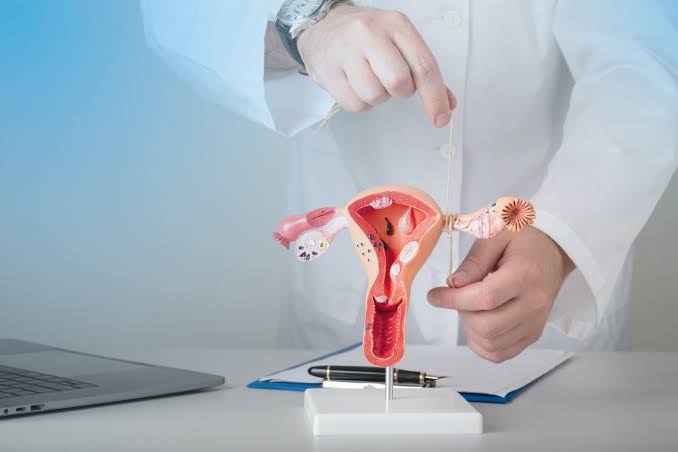
Endometriosis is a chronic gynaecological condition in which tissue resembling the uterine lining develops outside the uterus. This tissue can respond to hormonal changes during the menstrual cycle, potentially causing inflammation, irritation, and the formation of scar tissue or adhesions.
Endometriosis can occur at different stages and may affect women differently. Some people have extensive disease with relatively few symptoms, while others experience considerable pain despite having less visible disease.
Common symptoms can include:
- Painful menstrual periods
- Chronic pelvic pain
- Pain during
- ual intercourse
- Pain while passing urine or having a bowel movement, particularly around menstruation
- Heavy or irregular periods
- Bloating or abdominal discomfort
- Fatigue
- Difficulty conceiving
Not every pelvic pain symptom is caused by endometriosis. Conditions such as fibroids, ovarian cysts, pelvic infections, or other gynaecological problems can produce similar symptoms. This is why proper assessment is important.
How Is Endometriosis Diagnosed?
Diagnosis usually begins with a detailed discussion about symptoms, menstrual history, medical history, and reproductive plans. A pelvic examination may be recommended depending on the patient’s symptoms.
Imaging can also provide useful information. Ultrasound is commonly used to assess the pelvis and may identify ovarian endometriomas or some forms of deep endometriosis. In selected cases, MRI may provide additional information about the location and extent of disease.
A healthcare professional may also consider:
- The timing and severity of pain
- Previous pelvic or abdominal surgery
- Fertility concerns
- Response to previous medication
- Family and personal medical history
- Findings from physical examination and imaging
The diagnostic process should be individualised rather than based on symptoms alone.
What Does an Endometriosis Care Plan Include?
An endometriosis care plan is a personalised approach designed around the patient’s symptoms and priorities. It may involve medication, monitoring, surgery, fertility-related care, or a combination of approaches.
The main goals may include:
- Reducing pain and other symptoms
- Managing the effects of the condition on daily life
- Treating or monitoring endometriosis lesions when appropriate
- Supporting fertility goals
- Limiting unnecessary procedures or treatments
- Reviewing the plan as symptoms and circumstances change
A care plan may also change over time. For example, a patient who is not currently planning pregnancy may have different treatment priorities from someone actively trying to conceive.
Medical Treatment Options
Medication can be an important part of managing endometriosis, particularly when pain is the primary concern. The appropriate medicine depends on the patient’s health, symptoms, reproductive plans, and previous treatment history.
Pain Management
Pain-relieving medicines may be considered for menstrual or pelvic pain. A doctor can advise which options are suitable and how they should be used safely.
Persistent or severe pain should not simply be managed repeatedly with over-the-counter medication without medical assessment. If pain is affecting work, sleep, relationships, or everyday activities, further evaluation may be appropriate.
Hormonal Treatment
Hormonal therapies can help control the hormonal stimulation associated with the menstrual cycle and may reduce endometriosis-related pain for some patients.
Depending on the individual situation, a doctor may discuss options such as:
- Combined hormonal contraceptives
- Progestogen-based treatments
- Other hormone-suppressing medicines
These treatments are not appropriate for everyone. Possible benefits, side effects, contraindications, and fertility plans should be discussed with a healthcare professional before starting treatment.
When Is Surgery Considered?
Surgery may be considered when symptoms remain troublesome despite appropriate medical management, when certain forms of endometriosis are present, or when there are specific anatomical or fertility-related concerns.
Laparoscopic surgery is commonly used for selected cases. During laparoscopy, a surgeon uses small abdominal incisions and a camera to examine the pelvic organs. If appropriate, visible endometriosis may be treated during the procedure.
However, surgery is not automatically required for every patient with endometriosis. The decision should consider the severity and location of disease, symptoms, previous treatments, ovarian involvement, fertility plans, and the potential benefits and risks of an operation.
Endometriosis and Fertility
Endometriosis can sometimes be associated with difficulties becoming pregnant, although many women with endometriosis are able to conceive.
If pregnancy is a current or future priority, this should be discussed early during treatment planning. Fertility considerations can influence decisions about medication, surgery, ovarian endometriosis, and whether referral to a fertility specialist may be useful.
A fertility-focused plan may involve:
- Assessing reproductive history
- Reviewing ovarian and pelvic findings
- Considering the patient’s age and pregnancy goals
- Discussing whether treatment should focus on symptom control or conception
- Coordinating care with fertility specialists when appropriate
There is no universal fertility plan for everyone with endometriosis.
Lifestyle and Supportive Care
Medical treatment remains important, but supportive measures can also help some women manage symptoms and maintain quality of life.
Depending on individual needs, patients may benefit from:
- Regular, appropriate physical activity
- Adequate sleep
- Stress-management strategies
- A balanced diet
- Keeping a menstrual and symptom diary
- Psychological or emotional support when chronic pain becomes difficult to manage
Lifestyle measures should complement, rather than replace, professional medical care.
Keeping a symptom diary can be particularly useful. Recording pain, bleeding, bowel or bladder symptoms, medication use, and menstrual dates can help both the patient and doctor identify patterns and evaluate whether a treatment plan is helping.
Choosing Endometriosis Treatment in Dubai
Patients looking for endometriosis care in Dubai may have access to different specialists and treatment settings. The most suitable choice depends less on a single treatment name and more on whether the consultation addresses the patient’s individual concerns.
During a consultation, useful questions may include:
- What could be causing my symptoms?
- Do I need imaging or further investigations?
- What treatment options are available for my situation?
- What are the possible benefits and side effects?
- Could treatment affect my fertility?
- When should surgery be considered?
- How will we monitor my condition over time?
An open discussion helps patients understand their options and participate in decisions about their care.
When Should You See a Doctor?
Severe or persistent pelvic pain deserves medical attention, especially when it repeatedly interferes with normal activities.
You should consider arranging a gynaecological assessment if you experience:
- Period pain that is difficult to control
- Pelvic pain between periods
- Pain during intercourse
- Pain associated with bowel movements or urination
- Unexplained fertility difficulties
- Heavy or disruptive menstrual bleeding
- Symptoms that continue despite previous treatment
Seek urgent medical care for sudden, severe pelvic or abdominal pain, fainting, heavy bleeding, fever, or other symptoms that could indicate an acute medical problem.
Frequently Asked Questions
1. What is the best treatment for endometriosis?
There is no single treatment that is best for every patient. Depending on the symptoms and individual circumstances, care may include pain management, hormonal treatment, monitoring, surgery, or fertility-focused management.
2. Can endometriosis be completely cured?
Endometriosis is generally considered a chronic condition, and symptoms can return after treatment in some patients. Treatment is usually focused on controlling symptoms, managing disease when appropriate, and supporting the patient’s long-term health and reproductive goals.
3. Does endometriosis always require surgery?
No. Many patients can manage symptoms with medical treatment and monitoring. Surgery may be considered in selected situations, such as persistent symptoms, certain forms of endometriosis, or specific fertility-related concerns.
4. Can I become pregnant if I have endometriosis?
Yes, many women with endometriosis become pregnant naturally. However, endometriosis can be associated with fertility difficulties in some patients, so women with pregnancy concerns should discuss their individual circumstances with a gynaecologist or fertility specialist.
5. How is endometriosis monitored over time?
Monitoring depends on symptoms, examination findings, imaging results, treatment response, and reproductive goals. Follow-up appointments can help determine whether the current plan remains appropriate or needs adjustment.
Conclusion
Endometriosis can affect pain, periods, fertility, and everyday quality of life, but treatment can be tailored to the individual. Understanding the available options and discussing personal priorities with a qualified gynaecologist are important steps toward an appropriate care plan. For patients seeking personalised guidance, Dr. Neha Lalla can help assess symptoms and discuss suitable approaches to endometriosis care based on individual medical needs and goals.