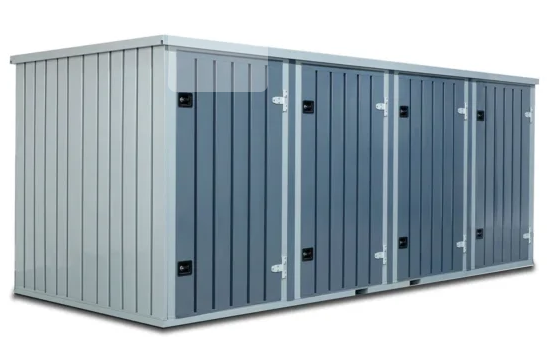

Homeowners with larger storage needs, whether for seasonal equipment, tools, or multiple hobbies, often find that a single open storage space becomes disorganized quickly without built-in separation. A 19-foot multi-compartment unit addresses this directly by dividing extended storage space into distinct sections, allowing for organized storage of different item categories without everything piling into one shared area.
Why Compartmentalized Storage Makes Sense
Open storage sheds work fine for a small number of large items, but households storing a mix of tools, seasonal decorations, sports equipment, and yard maintenance gear often struggle with disorganization over time. Dividing a larger unit into separate compartments allows each category to have designated space, reducing the frustration of digging through piled items to find something specific during busy weekends or seasonal transitions.
Typical Layout Options for Larger Units
A 19-foot multi-compartment unit can be configured in various ways depending on household needs, such as splitting the space into two or three sections of varying sizes. Some homeowners dedicate one section to lawn equipment, another to seasonal items, and a third to general overflow storage, creating a system that stays organized with minimal ongoing effort.
Material and Construction Considerations
Steel construction remains a popular choice for a 19-foot multi-compartment unit due to its durability against weather exposure and pest resistance compared to wood alternatives. Proper ventilation within each compartment helps prevent moisture buildup, which is particularly important for compartments storing items sensitive to humidity, like documents or electronics.
Site Preparation Before Installation
A 19-foot multi-compartment unit requires a level, stable foundation to ensure proper door alignment and structural integrity over time. Gravel pads or concrete foundations are common choices, with the appropriate option depending on local soil conditions, drainage patterns, and long-term budget considerations for the installation.
Comparing Options Across the Region
Homeowners researching options sometimes compare offerings beyond their immediate area when evaluating regional providers and pricing for larger units. Comparing delivery logistics, installation support, and warranty terms across providers helps clarify which option offers the best overall value for a specific location and budget.
Maximizing Organization Within Compartments
Installing shelving, pegboards, or hanging systems within each compartment can further improve organization beyond the basic separation the unit provides. Labeling sections clearly, especially in units used by multiple household members, helps maintain the organizational benefits of a multi-compartment layout over time as items are added, removed, and reorganized throughout the year.
Long-Term Value for Growing Storage Needs
Households that anticipate growing storage needs, whether from a growing family, expanding hobbies, or accumulating seasonal equipment, often find that investing in a larger, compartmentalized unit upfront proves more cost-effective than upgrading incrementally over several years.
Budgeting for a Larger Storage Investment
Cost typically scales with both overall length and the number of internal compartments added, along with any customization like shelving or additional access doors. Getting a detailed quote that breaks down base unit cost, delivery fees, and site preparation expenses separately helps homeowners compare providers more accurately and avoid unexpected costs after committing to a purchase.
Choosing Between Standard and Custom Configurations
Some providers offer only fixed compartment sizes, while others allow fully custom layouts tailored to specific storage needs. Homeowners with a clear sense of what they need to store, from lawn equipment to seasonal decorations, often benefit from a custom configuration that avoids wasted or cramped space within any single compartment.
Conclusion
Choosing between a single large space and a divided layout comes down to how varied a household’s storage needs actually are. For those researching storage units in Santa Fe, NM, and surrounding areas, comparing compartmentalized options against standard single-space units helps clarify which configuration will actually stay organized long-term rather than becoming another cluttered space within a few months.