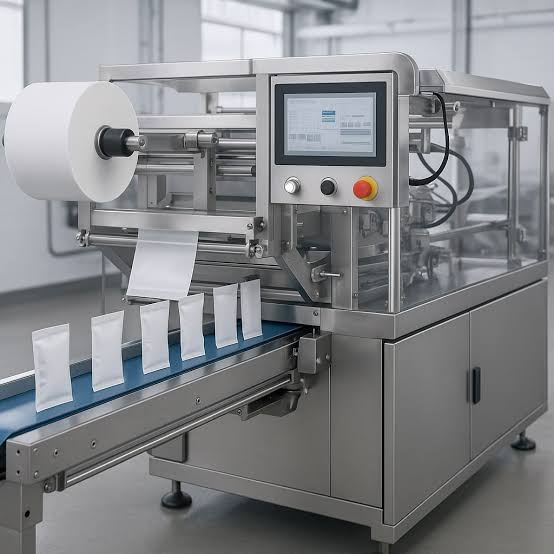

Packaging is often the final step in a production line, but the equipment behind it plays a much larger role than most people realize. A poorly chosen machine can slow down output, waste material, and increase downtime, while the right setup keeps operations running smoothly with minimal manual intervention. Manufacturers evaluating the best pack packaging systems need to weigh factors like carton size range, sealing method, throughput speed, and how well the equipment integrates with existing conveyor lines before committing to a purchase.
Assessing Your Production Volume First
Before comparing machines, it helps to understand actual daily or weekly packaging volume. A facility running a few hundred cartons per shift has very different needs than one processing thousands. Overestimating capacity leads to unnecessary spending on oversized equipment, while underestimating it creates bottlenecks that ripple through the rest of the line. Reviewing historical shipping data and factoring in seasonal spikes gives a realistic baseline for selecting the best pack packaging equipment sized appropriately for the operation.
Sealing Methods And Carton Compatibility
Different packaging lines rely on different sealing approaches, including hot melt adhesive, tape, and stitching, each suited to particular carton materials and weights. Heavier or irregularly shaped products often require adjustable sealing pressure and carton guides that can be reconfigured quickly between product runs. Compatibility with a facility’s existing carton stock matters just as much as the sealing mechanism itself, since mismatched materials can cause frequent jams or inconsistent seals that slow production.
Every Part Machine Component Matters
Reliability comes down to individual components as much as the overall machine design. Belts, rollers, sensors, and actuators all wear over time, and a single failing part machine component can halt an entire line unexpectedly. Facilities that keep a small inventory of commonly replaced parts, and that understand which components are most prone to wear in their specific setup, tend to experience far less unplanned downtime than those that wait until a failure occurs to source replacements.
Integration And Long-Term Reliability
Packaging equipment rarely operates in isolation. It needs to sync with upstream conveyors, scales, and labeling stations without creating pinch points or timing mismatches. When evaluating new best pack packaging equipment, checking conveyor height alignment, infeed spacing, and control system compatibility upfront prevents costly retrofitting later. Facilities that plan integration carefully from the start typically see a smoother transition when new machinery is added to an established line.
Maintenance Planning And Long-Term Costs
The upfront price of packaging equipment is only part of the total cost of ownership. Routine maintenance, lubrication schedules, and periodic recalibration all factor into how reliably a machine performs over its lifespan. Facilities that build a maintenance calendar around manufacturer recommendations, rather than reacting only when problems surface, generally extend equipment life and avoid the higher costs associated with emergency repairs or unplanned line stoppages.
Conclusion
Selecting the right part machine setup for a packaging line requires looking beyond upfront cost to consider volume, sealing compatibility, component reliability, and long-term maintenance needs. Facilities that take a methodical approach to evaluating these factors tend to see fewer disruptions and more consistent output over time. Whatever the scale of the operation, matching equipment specifications to actual production demands remains the most reliable way to keep a packaging line running efficiently.