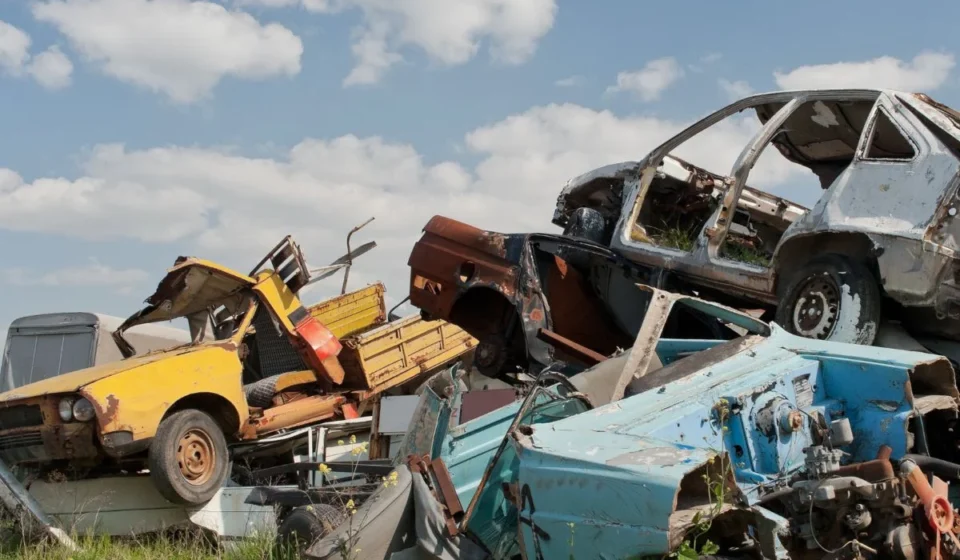

Damaged cars do not always end their life as waste. Many vehicles that can no longer run still contain large amounts of materials that can be used again. Scrap yards play an important role in this process. They take old, damaged, or written-off cars and turn them into useful materials that go back into manufacturing and construction industries. This process reduces waste, saves natural resources, and supports material recovery on a large scale.
Across many countries, including Australia, a large share of a vehicle can be reused or recycled. Studies from industry recycling bodies show that around 80 to 90 percent of a car by weight can be recovered through different recycling methods. This makes vehicle recycling one of the most resource-efficient waste management systems.
Arrival and Inspection of Damaged Cars
When a damaged vehicle arrives at a scrap yard, the first step is inspection. Workers check the condition of the car and record its parts and materials. This helps decide what can be reused, repaired, or recycled.
The vehicle identification is also verified to ensure it is legally processed. After inspection, the car is placed in a designated area for further processing.
Removal of Hazardous Fluids and Materials
Before any dismantling begins, scrap yards remove fluids that can be harmful to the environment. These include:
- Engine oil
- Transmission fluid
- Brake fluid
- Coolant
- Fuel
These fluids are collected and stored in sealed containers. Many of them are sent to treatment facilities where they are refined or safely disposed of.
Air conditioning systems are also handled carefully. Refrigerants are extracted to prevent release into the atmosphere, as these gases can contribute to environmental harm if not properly managed.
This stage is important because it prevents soil and water contamination during the recycling process.
Dismantling Usable Parts
Once the vehicle is safe to handle, workers begin removing reusable parts. Many car components can still function even if the vehicle itself is damaged.
Common parts recovered include:
- Engines
- Gearboxes
- Alternators
- Starter motors
- Doors and panels
- Mirrors and headlights
These parts are tested and cleaned before being stored for resale or reuse. Reusing parts helps reduce the demand for new manufacturing, which saves raw materials and energy.
Shredding and Material Separation
After usable parts are removed, the remaining car body is sent to a shredder. This machine breaks the vehicle into small fragments, usually the size of fists or smaller.
Once shredded, different materials are separated using industrial techniques:
Magnetic Separation
Magnets are used to pull out steel and iron from the shredded material. These metals make up a large portion of the vehicle body.
Eddy Current Separation
This method separates non-ferrous metals such as aluminium and copper. These metals are pushed away from the main stream using magnetic fields.
Density and Air Separation
Light materials such as plastic and foam are separated from heavier materials using air flow and density differences.
This step allows scrap yards to sort materials into clean categories for recycling.
Recycling of Metals
Steel is the most common material recovered from scrap cars. It is melted in furnaces and reused to produce new steel products. Recycling steel uses significantly less energy compared to producing steel from iron ore. Industry data shows that recycled steel can use around 70 to 74 percent less energy compared to virgin production.
Aluminium is also highly valuable. It can be recycled repeatedly without losing strength. This makes it important for industries such as automotive manufacturing and construction.
Copper from wiring is collected and refined. It is widely used in electrical systems due to its conductivity.
Recovery of Precious Metals
Some car components contain small amounts of precious metals. Catalytic converters are one example. They contain platinum, palladium, and rhodium. These metals help reduce harmful emissions from engines.
Because of their value and limited supply, these metals are carefully extracted and refined. Even small quantities are important for industrial use, especially in emission control systems.
Recycling of Glass and Plastics
Car windows and windscreens are made of glass that can often be processed into new glass products or construction materials.
Plastics from dashboards, bumpers, and interior fittings are sorted and processed into plastic pellets. These pellets are then used to make new plastic items.
Although plastic recycling is more complex due to different material types, modern processing methods have improved recovery rates.
Environmental Impact of Vehicle Recycling
Vehicle recycling reduces the amount of waste sent to landfill sites. It also lowers the demand for mining and raw material extraction.
Recycling metals reduces greenhouse gas emissions because it uses less energy than producing materials from raw sources. This is especially important for steel and aluminium production, which are energy-intensive processes.
In addition, removing hazardous fluids properly protects soil and water systems from contamination.
Vehicle Recycling in Australia
In Australia, scrap yards follow environmental and waste handling rules set by state and national authorities. These regulations ensure that vehicle dismantling is carried out in a controlled manner.
Recycling centres across the country handle thousands of end-of-life vehicles each year. Many of these vehicles are processed to recover metals, parts, and other materials that return to industrial supply chains.
Services and Industry Support
In the vehicle recycling industry, cash-based recycling services have become a practical option for people disposing of unwanted cars and metal waste. One such service involves exchanging scrap vehicles and metal items for payment based on material type and weight.
Cash for scrap metal programs also support recycling activity by encouraging more vehicles and metal waste to be returned to scrap yards rather than being left unused. This helps increase material recovery rates and supports the recycling flow that keeps steel, aluminium, and other metals in circulation. One example in the market is a service offered by Metal Biz, which operates within this area of metal recovery and vehicle disposal.
Final Stages of Processing and Material Reuse
After all separation steps are completed, the remaining materials are sent to specialised recycling facilities. Steel goes to steel mills, aluminium to smelters, and plastics to processing plants.
Each material is transformed into raw inputs for manufacturing new products. These products can include construction beams, packaging materials, vehicle parts, and household goods.
The cycle then continues, as recycled materials return to the production system instead of becoming waste.
Visit for more info: https://www.metalbiz.com.au/scrap-metal/
Conclusion
Scrap yards play a structured role in turning damaged cars into reusable materials. Through careful dismantling, separation, and processing, a large share of vehicle components can be recovered. Metals, plastics, glass, and fluids all pass through different systems that prepare them for reuse.
This process supports resource conservation, reduces environmental pressure, and keeps valuable materials in circulation. Vehicle recycling continues to remain an important part of modern waste management and industrial supply chains.