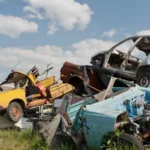
Selling a junk car in South Australia involves adhering to specific legal requirements and consumer protection laws to ensure a secure transaction for both the seller and the automotive buyer. This process requires understanding the transfer of ownership, environmental obligations, and the rights afforded to sellers under South Australian fair trading standards.
Legal Requirements for Selling an Unwanted Vehicle in SA
Transferring vehicle ownership in South Australia follows strict protocols managed by Service SA. To sell a vehicle, the owner must complete a Notice of Disposal to officially record the change in possession and end their liability for the car.
South Australian law mandates that the seller lodges the Notice of Disposal within 14 days of the transaction. This action protects the former owner from future fines, tolls, or legal issues associated with the vehicle. The document requires specific details, including the buyer’s name, address, the sale price, and the exact date of the transfer.
Several documents are essential for a smooth transaction, including:
- The current registration certificate (if available)
- A government-issued photo ID (Driver’s license or Passport)
- A written receipt or contract of sale
Understanding Consumer Rights in the Scrap Car Industry
Consumer rights protect sellers from predatory practices and ensure they receive the agreed-upon value for their assets. In the South Australian automotive industry, transparency is a legal expectation for all registered businesses.
The Australian Consumer Law (ACL) provides a framework that ensures businesses operate fairly. Sellers have the right to a transparent quote that remains valid for a specified period. If a car removal company provides a price over the phone, they must honour that price upon arrival unless the vehicle’s condition differs significantly from the initial description provided by the seller.
Furthermore, sellers possess the right to a safe and professional service. This includes the proper handling of property during the removal process. For those living in rugged or elevated terrain, specialised equipment is necessary to ensure safety. Expert cash for cars services in Adelaide Hills use purpose-built tow trucks to navigate steep driveways and winding roads without damaging the surrounding landscape.
Essential Responsibilities of the Seller
The seller maintains 5 primary responsibilities to ensure the sale remains legal and ethical. These tasks prevent administrative delays and potential legal disputes following the removal of the vehicle.
- Clear the Title: Ensure the vehicle is free from all financial encumbrances or security interests.
- Remove Personal Belongings: Conduct a final sweep of the interior, including the glove box, boot, and under seats.
- Provide Accurate Information: Disclose the true condition of the engine, transmission, and bodywork.
- Manage Number Plates: Remove the number plates if the vehicle is being scrapped, as these must be returned to Service SA for a potential registration refund.
- Secure the Environment: Ensure the vehicle is accessible for the tow truck and does not pose a hazard to the removal team.
Providing a clear path is particularly important in metropolitan areas where space is limited. Efficient car removals rely on the seller ensuring that other parked cars or debris do not block the junk vehicle.
Environmental Obligations and Sustainable Disposal
South Australian environmental regulations dictate how end-of-life vehicles are processed to prevent soil and water contamination. Junk cars contain 4 major hazardous materials that require professional handling.
The hazardous materials found in older vehicles include:
- Lead-acid batteries
- Engine oil and transmission fluids
- Ethylene glycol (Coolant)
- Refrigerant gases from air conditioning units
Licensed wreckers and recyclers follow the Environment Protection Authority (EPA) guidelines to neutralise these threats. The recycling process involves draining all fluids into sealed containers before the metal is crushed and shredded. This system recovers 95% of the vehicle’s materials, including steel, aluminium, and copper, which then return to the manufacturing supply chain.
Pricing Factors in the South Australian Scrap Market
The value of a junk car depends on 3 specific variables that fluctuate based on global and local economic conditions. Understanding these factors allows sellers to assess the fairness of a quote.
Comparison of Selling Methods in SA
| Feature | Private Sale | Licensed Car Wrecker |
| Speed of Sale | Slow (Weeks/Months) | Instant (Same Day) |
| Effort Required | High (Ads, Viewings) | Low (Single Call) |
| Vehicle Condition | Must be Roadworthy | Any Condition Accepted |
| Paperwork | Seller Manages All | Wrecker Assists/Manages |
| Towing Costs | Seller Pays | Included in Service |
Specific attributes of the vehicle contribute to its final valuation. Weight is the primary metric for scrap metal pricing, while the presence of high-value parts like catalytic converters or GPS units increases the offer.
Step-by-Step Guide to Selling Your Junk Car
To sell a junk car in South Australia efficiently, follow these 6 steps. This structured approach minimises errors and ensures the seller meets all legal obligations.
Step 1: Gather Vehicle Details
Collect the Vehicle Identification Number (VIN), make, model, and year. Note any missing parts, such as wheels, batteries, or the engine.
Step 2: Obtain Multiple Quotes
Contact 3 different reputable removal services to compare offers. Ensure each company includes free towing in their quote.
Step 3: Prepare the Documentation
Have your photo ID and proof of ownership ready. If the car is unregistered, the process is still possible, but the lack of plates must be noted on the disposal form.
Step 4: Final Inspection and Removal
When the removal team arrives, confirm the final price. Professional teams perform a quick inspection to verify the car matches the description.
Step 5: Sign the Paperwork
Complete the contract of sale. Ensure you receive a copy for your records before the vehicle leaves your property.
Step 6: Lodge the Notice of Disposal
Submit the Notice of Disposal through the Service SA website or at a physical branch. This final step legally dissociates you from the vehicle.
Target Audience for Car Removal Services
Several groups of people benefit from professional car removal services in Adelaide. Identifying these use cases helps determine if this is the correct route for your specific situation.
- Deceased Estate Executors: Individuals managing the cleanup of a property following the passing of a relative.
- Property Developers: Clearing land of abandoned vehicles to prepare for construction.
- Mechanically Minded Sellers: People who have stripped a car for parts and now need to dispose of the chassis.
- Remote Residents: Homeowners in the Adelaide Hills or regional areas where private buyers refuse to travel.
Pros and Cons of Professional Car Removal
Using a professional service offers 3 distinct advantages over other disposal methods. However, sellers must weigh these against the limitations of the scrap industry.
Pros:
- Convenience: The service handles the logistics, including heavy lifting and transport.
- Space Reclamation: Removing a non-running car instantly clears driveways or garage space.
- Legal Security: Licensed operators ensure the paperwork complies with South Australian law.
Cons:
- Fixed Scrap Value: Sellers will not receive “collector” prices for vehicles, as the value is based on materials.
- Minimum Metal Content: Some companies require the car to have the engine or wheels intact to provide a high payout.
Situational Relevance: When to Call a Professional
Specific situations necessitate the use of a car removal service rather than a traditional sale. If a vehicle is a “Statutory Write-Off,” it cannot be legally re-registered in Australia. In this case, selling to a licensed wrecker is the only legal way to dispose of the asset.
Similarly, vehicles with significant structural damage from accidents or extreme rust are better suited for recycling. In rural South Australian locations, the cost of a private tow to a dealership often exceeds the car’s value, making free removal services the most financially viable option.
Summary of Rights and Responsibilities
Protecting your interests while selling a junk car requires a balance of preparation and choosing the right partner. By lodging the Notice of Disposal and selecting a licensed operator, South Australians ensure their property is recycled responsibly and their legal liabilities are extinguished. Whether dealing with a vehicle in the city or a rusted ute in the Adelaide Hills, following the prescribed legal path provides peace of mind and immediate financial return.