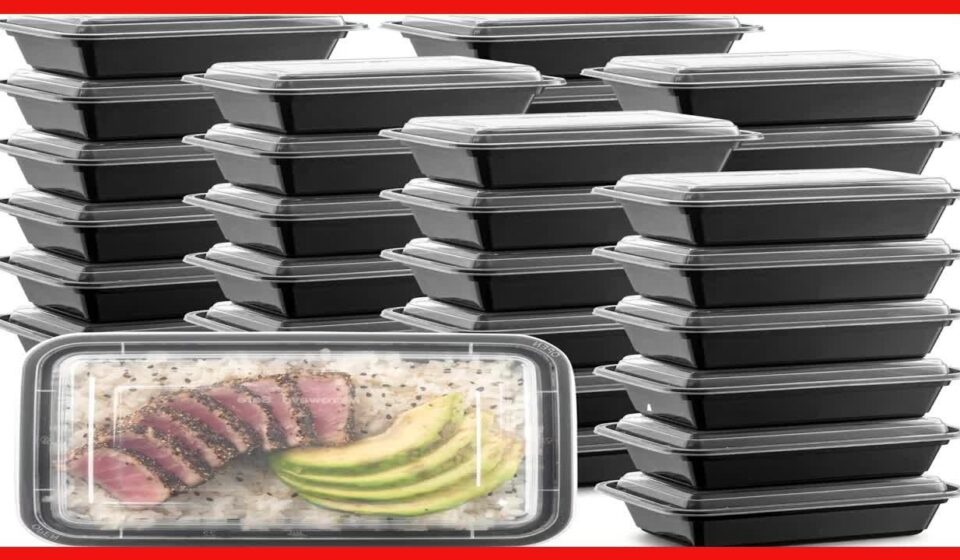

Proper food storage depends on suitable containers that help protect contents while making handling and organization easier. Restaurants, catering businesses, food manufacturers, retailers, and households all need packaging that matches the type of food and its storage conditions.
A PP Food Container can provide a practical solution for many food storage applications because polypropylene is valued for its durability, lightweight construction, and versatility. LRpacking is one manufacturer businesses can consider when evaluating PP containers for different storage and food-service requirements.
What Makes PP Useful for Food Storage?
Polypropylene is a commonly used plastic material for food packaging. Its combination of rigidity, durability, and relatively low weight makes it suitable for a variety of container designs.
The actual performance of a container depends on its specific construction and intended application, so businesses should always review product specifications before use.
Helps Protect Food During Storage
A properly designed container can help keep food contained and protected from everyday handling. Secure containers can reduce exposure to external contaminants while helping maintain an organized storage environment.
The level of protection depends on the container design, lid fit, storage conditions, and how the product is handled.
Secure Lids for Better Organization
A well-fitting lid can help keep food inside the container and reduce the risk of accidental spills. This is particularly useful when containers are moved between preparation areas, refrigerators, storage shelves, or delivery locations.
Businesses should ensure that the selected lid is specifically compatible with the container and provides the closure performance required for the application.
Useful for Refrigerated Storage
Food storage frequently involves refrigeration, especially for prepared meals, ingredients, and perishable products. PP containers may be available in designs intended for refrigerated applications.
Before placing containers in cold storage, businesses should confirm the manufacturer’s recommended temperature range and ensure that the specific product is appropriate for the intended conditions.
Consideration for Freezer Storage
Some food-storage operations also require freezing. If a PP container will be exposed to freezing temperatures, its specifications should be checked carefully.
The container should be selected according to the expected temperature and handling conditions, including whether it will be moved directly from frozen storage to another environment.
Convenient for Meal Preparation
Food containers can simplify meal-preparation workflows by allowing portions to be prepared, stored, and organized in advance.
Standardized container sizes can help businesses manage serving quantities while making it easier for staff to identify and arrange prepared meals.
Supports Efficient Stacking
Storage space can be limited in commercial kitchens and food facilities. Stackable containers can help businesses use vertical space more effectively.
Stable stacking can also make refrigerators, shelves, storage rooms, and transportation areas easier to organize.
Different Sizes for Different Foods
Food storage requirements vary significantly. Small containers may be useful for sauces and ingredients, while medium and large formats can accommodate complete meals or bulk quantities.
Having several container sizes available allows businesses to match packaging more closely with the amount and type of food being stored.
Shape Can Affect Storage Efficiency
Container shape plays an important role in organization. Square and rectangular designs may make efficient use of shelf space, while round containers can be practical for particular foods and handling requirements.
The best shape depends on the storage area, food type, container capacity, and stacking method.
Easy Identification of Stored Foods
Clear or translucent containers can make it easier to identify stored contents without opening every package. This can help staff locate ingredients and prepared foods more quickly.
For commercial operations, visible contents can also support more organized inventory management when combined with appropriate labels.
Practical for Food Transportation
Stored food may eventually need to be moved between kitchens, warehouses, retail locations, or customers. A suitable container should remain stable during normal transportation.
Secure lids, appropriate dimensions, and adequate structural strength can all contribute to better handling during movement.
Helps Maintain an Organized Storage System
Consistent containers can create a more orderly storage environment. Using standardized sizes can make it easier to arrange shelves, refrigerators, and preparation areas.
A consistent packaging system can also simplify inventory checks and help employees quickly identify different food portions or products.
Labeling and Food Identification
Food storage often requires information such as product names, preparation dates, expiration information, or storage instructions. Containers should therefore be compatible with the business’s preferred labeling process.
Testing labels on the actual container surface can help ensure that they remain readable and securely attached during storage.
Choose Containers According to Food Requirements
Not every container is suitable for every food or storage condition. Before selecting a PP container, consider:
- Type of food being stored
- Required capacity
- Temperature conditions
- Lid and closure performance
- Container dimensions
- Stackability
- Transportation requirements
- Labeling needs
- Expected handling conditions
These factors help businesses select packaging based on actual storage requirements rather than appearance alone.
Test Containers Before Regular Use
Testing samples can provide useful insight into how a container performs in real conditions. Businesses can fill containers with their intended foods and evaluate stacking, closure, storage, labeling, and handling.
This is particularly useful before purchasing large quantities or introducing a new container format into an established food-storage process.
Final Thoughts
PP food containers can support convenient and organized food storage through practical features such as durable construction, secure closures, varied sizes, and efficient stacking. Their suitability depends on the specific container design and the conditions in which it will be used.
Businesses can improve their storage systems by matching container characteristics to food type, temperature requirements, portion sizes, available storage space, and transportation needs. Careful product selection and testing can help create a reliable approach to everyday food storage.