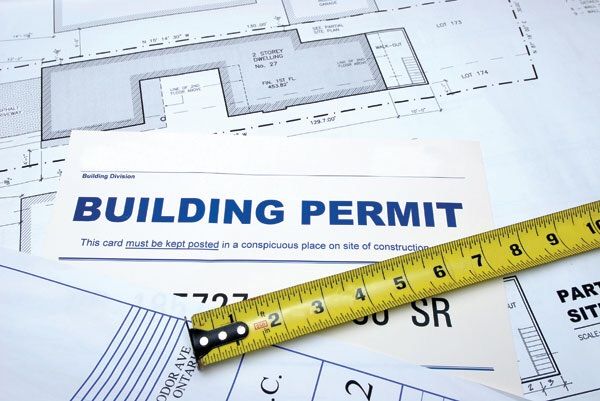

A well-planned construction journey transforms creative ideas into structured designs while ensuring accuracy, compliance, and efficient execution from start to completion. Building a new home involves multiple stages that require careful planning, professional guidance, and attention to detail. From initial concepts and design discussions to final approvals, every step contributes to creating a successful project outcome.
Understanding the importance of approvals, documentation, and technical preparation helps homeowners make informed decisions throughout the process. Obtaining a building permit is an essential step that confirms the proposed construction meets the required safety, zoning, and regulatory standards before work begins. A structured approach allows homeowners, designers, and construction professionals to work together effectively. Proper planning reduces delays, improves communication, and creates a clear pathway from early ideas to a completed home.
Transforming Ideas Into Detailed Construction Plans
The early stages of home development focus on turning creative concepts into practical designs that support functionality, safety, and long-term value.
1.Understanding Initial Design Requirements
Every successful home project begins with identifying the homeowner’s goals, lifestyle requirements, budget considerations, and preferred design style. During this stage, architects and designers evaluate site conditions, space requirements, and functional expectations to create a strong foundation for the project. Clear communication between homeowners and professionals helps ensure that the final design reflects personal needs while remaining practical and achievable within construction limitations.
2.Developing Functional Layouts and Design Concepts
Creating an effective home layout requires balancing aesthetics with everyday usability. Designers consider room layouts, natural light, ventilation, storage needs, and movement patterns to create spaces that feel comfortable and efficient. Thoughtful design decisions during this phase help prevent future modifications and improve the overall living experience. A detailed concept allows homeowners to visualize the project while making necessary adjustments before construction begins.
3.Preparing Technical Documentation for Construction
Once the design direction is finalized, detailed technical documents are prepared to guide the construction process. These documents include measurements, material specifications, structural information, and other important details required for accurate execution. Professional documentation helps contractors understand project requirements while reducing misunderstandings during construction. Well-prepared technical information also supports smoother approval procedures and ensures that all aspects of the design are clearly communicated.
4.Creating Accurate Drawings for Project Execution
Detailed drawings serve as an important reference throughout the building process by providing precise information about the structure, dimensions, and design elements. Architects and engineers prepare drawings that communicate essential construction requirements to different teams involved in the project. These documents help maintain consistency between the planned design and actual construction while supporting efficient coordination between professionals, contractors, and homeowners.
Essential Steps Before Construction Begins
Preparing approvals, documents, and technical details creates a smoother construction process while reducing risks and delays.
- Completing Approval and Permit Requirements:
Required approvals ensure the project meets safety standards, zoning rules, and construction regulations. Proper documentation helps complete the building permit process smoothly and allows construction to begin without unnecessary delays. - Coordinating With Architects and Professionals:
Collaboration between homeowners, architects, engineers, and contractors improves communication, reduces errors, and ensures the original design vision is executed effectively. - Finalizing Materials and Specifications:
Selecting suitable materials and defining construction details helps maintain quality, manage costs, and ensure durability throughout the project.
A well-planned pre-construction stage ensures proper approvals, clear coordination, and accurate specifications, creating a strong foundation for a successful home building journey.
Managing Construction Progress With Proper Documentation
Accurate planning, technical documentation, and continuous coordination help ensure that every construction stage proceeds smoothly while maintaining quality and compliance.
1.Using Detailed Drawings for Better Construction Accuracy
Clear documentation plays an essential role in translating designs into physical structures. Professionals rely on detailed construction drawings to understand dimensions, layouts, structural requirements, and installation details throughout the project. These drawings provide contractors with accurate guidance and reduce the possibility of errors during execution. Regular reviews help ensure that construction activities remain aligned with the approved design while allowing teams to address challenges efficiently and maintain project quality.
2.Monitoring Construction Activities and Quality Standards
Once construction begins, regular monitoring helps ensure that work progresses according to approved plans, timelines, and quality expectations. Site inspections allow professionals to identify potential issues early and make necessary adjustments before they affect the overall project. Checking workmanship, materials, and installation methods supports long-term durability while ensuring that each stage meets established standards. Consistent supervision also improves communication between contractors, designers, and homeowners.
3.Managing Changes During the Construction Process
Changes may occur during construction due to design preferences, material availability, or unexpected site conditions. Managing these adjustments carefully helps maintain project efficiency while avoiding unnecessary delays or additional costs. Professionals evaluate proposed changes, update relevant documentation, and ensure that modifications continue to meet safety and compliance requirements. A structured change management process allows homeowners to make informed decisions without affecting the overall quality of the project.
4.Ensuring Efficient Communication Between Teams
Clear communication is essential when multiple professionals are involved in a construction project. Architects, engineers, contractors, suppliers, and homeowners must share updates regularly to maintain alignment throughout the process. Effective communication reduces misunderstandings, improves coordination, and allows teams to resolve challenges quickly. Regular discussions and progress reviews help ensure that everyone remains focused on achieving the planned design objectives while maintaining efficiency and quality.
Final Thoughts
The journey from initial design concepts to completed homes requires careful planning, professional collaboration, accurate documentation, and regulatory approval. Each stage, from developing ideas and preparing technical details to completing inspections, contributes to the success of a construction project. Understanding the importance of proper planning helps homeowners approach the process with greater confidence and make informed decisions while developing effective home construction plans that support a smooth building process.
For homeowners seeking reliable support throughout their construction journey, Noble Prime Solutions provides expertise in design coordination, planning support, and construction solutions that help transform concepts into well-executed projects. By focusing on quality, accuracy, and efficient project management, they assist clients in achieving their desired outcomes while ensuring that essential elements are developed with attention to detail, functionality, and long-term value.