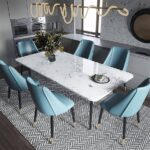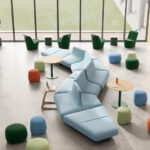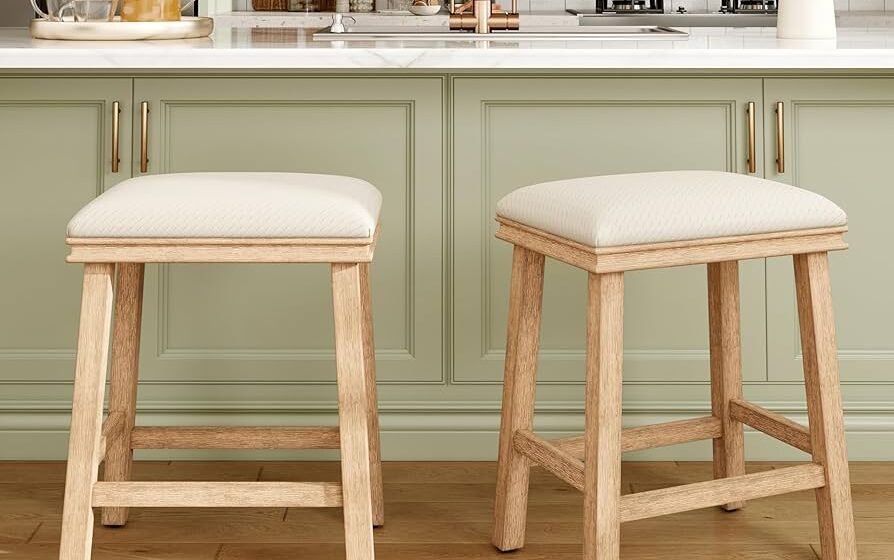

The materials used in bar furniture play a major role in determining its durability, appearance, comfort, and overall performance. Since bars, restaurants, and hospitality venues experience frequent daily use, furniture must be designed with materials that can withstand constant activity while maintaining an attractive look.
A professional bar furniture manufacturer carefully selects materials based on factors such as durability, maintenance needs, design requirements, and the intended environment. Understanding the most common materials used in commercial bar furniture can help business owners make better decisions when choosing furniture for their venues.
Solid Wood for a Classic Appearance
Solid wood remains one of the most popular materials for bar furniture because of its natural beauty, strength, and timeless appeal. It is commonly used for bar stools, tables, chairs, and decorative furniture elements.
Advantages of solid wood include:
- Strong structural performance
- Natural textures and patterns
- Easy refinishing options
- Long service life
Different wood types offer unique appearances and characteristics, allowing businesses to match furniture with various interior styles, from traditional pubs to modern restaurants.
Metal for Strength and Durability
Metal is widely used in commercial bar furniture because of its excellent strength and resistance to heavy use. It is commonly found in chair frames, table bases, and modern industrial-style designs.
Common metal options include:
- Stainless steel
- Powder-coated steel
- Aluminum
- Iron
Metal furniture provides excellent stability and can be treated with protective coatings to improve resistance against rust, scratches, and daily wear.
Engineered Wood for Versatility
Engineered wood is another common choice for commercial furniture production. Materials such as plywood and medium-density fiberboard (MDF) offer flexibility while maintaining consistent quality.
Benefits include:
- Smooth surfaces for finishing
- Cost efficiency
- Design flexibility
- Reliable structural performance
Engineered wood is often combined with veneers or protective coatings to create attractive and durable furniture pieces.
Upholstery Materials for Comfort
Comfort is an important consideration for bar seating, especially in venues where customers spend extended periods sitting. Upholstery materials improve the appearance and usability of chairs, stools, and lounge seating.
Common upholstery options include:
- Leather
- Synthetic leather
- Fabric
- Performance textiles
Commercial-grade upholstery is designed to resist stains, moisture, and frequent cleaning, making it suitable for busy hospitality environments.
High-Density Foam for Seating Support
Foam quality directly affects seating comfort and durability. Professional manufacturers often use high-density foam because it maintains its shape better than lower-quality alternatives.
Benefits of high-density foam include:
- Improved comfort
- Better support
- Longer lifespan
- Reduced deformation over time
The right foam selection helps create seating that remains comfortable even after years of regular use.
Glass for Modern Designs
Glass is often used in contemporary bar furniture designs, especially for tabletops and decorative features. Tempered glass is commonly preferred because it provides greater safety and durability.
Advantages of glass include:
- Modern appearance
- Easy cleaning
- Resistance to heat
- Visual lightness in design
When combined with wood or metal, glass can create a stylish and sophisticated atmosphere.
Outdoor Furniture Materials
For outdoor bars and patios, furniture requires materials that can handle changing weather conditions. Manufacturers often choose materials designed for moisture resistance and environmental durability.
Popular outdoor materials include:
- Aluminum
- Weather-resistant plastics
- Treated wood
- Outdoor-grade fabrics
These materials help maintain furniture performance despite exposure to sunlight, humidity, and temperature changes.
Finishes That Improve Performance
Finishing treatments are essential for protecting furniture surfaces and enhancing appearance. Manufacturers apply different finishes depending on the material and intended use.
Common finishing methods include:
- Powder coating
- Wood varnishing
- Protective sealants
- Lamination
- Water-resistant coatings
These treatments help prevent damage from spills, scratches, and regular cleaning.
Choosing the Right Material for Your Bar
The best material choice depends on several factors, including the venue style, budget, maintenance requirements, and expected customer traffic.
For example:
- Luxury lounges may prefer premium wood and leather finishes.
- Industrial-style bars may use metal and reclaimed materials.
- Outdoor venues require weather-resistant options.
- High-traffic locations benefit from highly durable materials.
A careful material selection process ensures furniture matches both functional and design requirements.
Final Thoughts
Professional bar furniture relies on a combination of carefully selected materials, skilled craftsmanship, and thoughtful design. From solid wood and metal frames to durable upholstery and protective finishes, every material choice contributes to the furniture’s overall quality and lifespan.
Understanding these common materials helps businesses choose furniture that not only enhances their interior design but also provides reliable performance in demanding commercial environments.