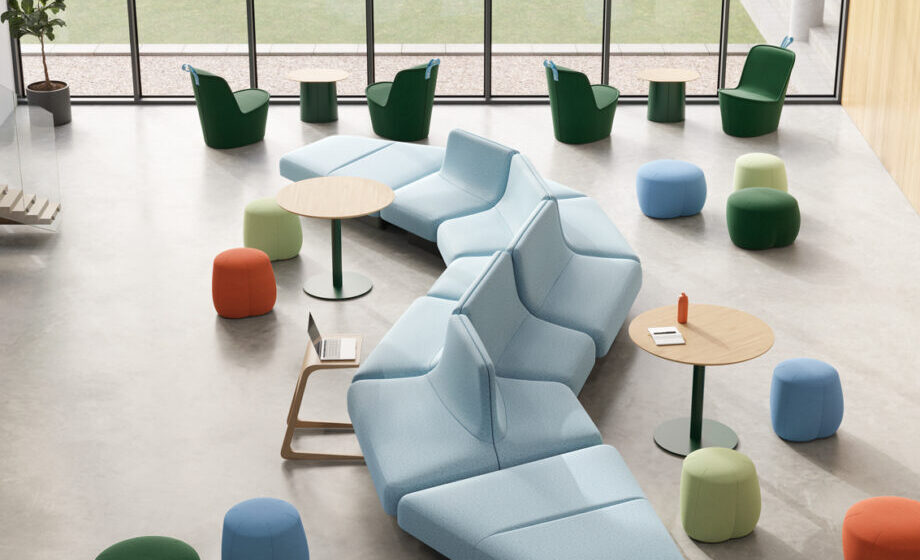

Commercial furniture plays a vital role in creating productive, comfortable, and visually appealing business environments. From corporate offices and hotels to healthcare facilities and educational institutions, quality furniture contributes to both functionality and customer experience. Choosing the right manufacturer can make a significant difference in the success of a commercial project.
Partnering with a trusted commercial furniture manufacturer gives businesses access to reliable production processes, expert craftsmanship, and customized solutions tailored to their unique requirements. The best manufacturers consistently stand out by maintaining high standards across every stage of design, production, and customer service.
1. Strong Commitment to Quality
Top manufacturers maintain strict quality control throughout the production process. Every furniture piece is carefully inspected to ensure it meets performance, durability, and appearance standards.
Consistent quality reduces maintenance needs and extends the lifespan of commercial furniture.
2. Extensive Industry Experience
Years of experience allow manufacturers to understand the unique requirements of different industries. Their expertise helps them recommend suitable materials, designs, and construction methods for various commercial environments.
Experienced manufacturers are also better equipped to handle complex projects efficiently.
3. Custom Design Capabilities
Every commercial space has different functional and aesthetic needs. Leading manufacturers offer customization options that allow businesses to create furniture matching their brand identity and workspace requirements.
Customization may include dimensions, finishes, upholstery, and special features.
4. High-Quality Materials
The durability of commercial furniture depends heavily on the materials used during production. Top manufacturers carefully select premium wood, metal, fabrics, laminates, and hardware to ensure long-lasting performance.
Quality materials also improve the overall appearance of finished products.
5. Advanced Manufacturing Technology
Modern manufacturing equipment improves precision, consistency, and production efficiency. Many leading manufacturers use automated machinery alongside skilled craftsmanship to produce furniture with exceptional accuracy.
Advanced technology also helps reduce waste and improve production timelines.
6. Skilled Craftsmanship
Technology alone cannot replace experienced craftsmanship. Skilled professionals pay close attention to details such as joinery, finishing, upholstery, and assembly.
Their expertise contributes to furniture that is both attractive and structurally reliable.
7. Reliable Quality Control Systems
Quality inspections take place throughout production rather than only after completion. This proactive approach helps identify and resolve issues before products reach customers.
Comprehensive quality control builds confidence in the finished furniture.
8. Sustainable Manufacturing Practices
Environmental responsibility has become increasingly important in commercial furniture production. Leading manufacturers adopt sustainable practices such as responsible material sourcing, waste reduction, and energy-efficient production methods.
These efforts support businesses seeking environmentally conscious furniture solutions.
9. Flexible Production Capacity
Commercial projects vary in size, from furnishing a single office to equipping an entire hotel or business complex. Top manufacturers have the resources to handle both small and large production runs without compromising quality.
Production flexibility also helps accommodate changing project requirements.
10. Innovative Product Development
Successful manufacturers continuously improve their product offerings by following design trends, customer preferences, and technological advancements.
Innovation allows them to create furniture that balances style, functionality, and durability.
11. Strong Supply Chain Management
Efficient sourcing and logistics help manufacturers maintain consistent production schedules and reliable material availability.
Well-managed supply chains reduce delays and support timely project completion.
12. Compliance with Industry Standards
Leading manufacturers follow recognized quality, safety, and environmental standards to ensure their products meet commercial requirements.
Compliance demonstrates professionalism and gives customers greater confidence in their purchasing decisions.
13. Excellent Customer Communication
Clear communication throughout the design, manufacturing, and delivery process improves the overall customer experience.
Top manufacturers work closely with clients to understand project goals, provide updates, and respond to questions promptly.
14. Comprehensive After-Sales Support
Professional manufacturers continue supporting customers after delivery by providing maintenance guidance, warranty assistance, and solutions for future furniture needs.
Strong after-sales service helps build long-term business relationships.
15. Proven Reputation and Client Trust
A manufacturer’s reputation is built through consistent quality, dependable service, and successful project outcomes. Positive client experiences often reflect a company’s commitment to professionalism and reliability.
Businesses frequently choose manufacturers with a strong history of delivering quality commercial furniture projects.
Conclusion
The best commercial furniture manufacturers distinguish themselves through quality craftsmanship, innovative design, dependable production, and customer-focused service. Their ability to combine advanced technology with skilled workmanship allows them to meet the diverse needs of modern commercial spaces.
By considering these key factors, businesses can make informed decisions when selecting a manufacturing partner and invest in furniture that delivers lasting performance, functionality, and value.