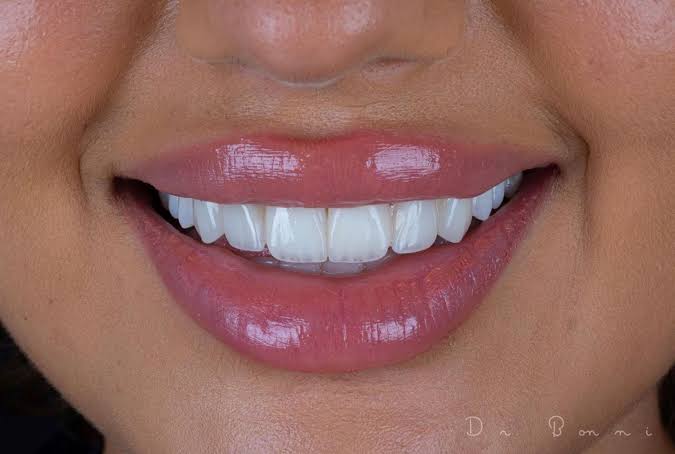

Good oral health is about more than having clean teeth or a bright smile. Your mouth can be affected by tooth decay, gum disease, enamel wear, sensitivity, infections, and other dental concerns that may not always cause noticeable symptoms at first. Regular dental examinations help identify these problems early and give you an opportunity to maintain your teeth and gums before a small concern becomes more complicated.
A Dental Clinic provides a range of preventive, diagnostic, restorative, and routine oral care services. Whether you need a regular check-up, professional cleaning, a filling, root canal treatment, or advice about improving your daily oral hygiene, the right dental evaluation can help you understand what your mouth needs.
For patients seeking professional dental care, understanding what happens during an oral health examination and which procedures may be recommended can make dental visits more comfortable and predictable.
What Is an Oral Health Examination?
An oral health examination is a professional assessment of the teeth, gums, mouth, and surrounding oral structures. The dentist checks for visible or early signs of problems such as cavities, gum inflammation, damaged teeth, infections, and abnormal changes in the mouth.
A dental examination may include:
- Examination of the teeth for decay or damage
- Assessment of the gums and signs of periodontal disease
- Checking for plaque and tartar buildup
- Evaluation of existing fillings, crowns, or other restorations
- Examination of the tongue, cheeks, and other soft tissues
- Assessment of tooth sensitivity or discomfort
- Dental X-rays when clinically appropriate
- Discussion of oral hygiene and preventive care
The exact examination depends on the patient’s age, dental history, symptoms, and individual needs.
Why Are Regular Dental Check-Ups Important?
Regular check-ups allow dental professionals to monitor changes in your oral health over time. Some dental conditions can develop gradually without causing pain, so waiting until a tooth hurts is not always the best approach.
Routine examinations can help with:
Early Detection of Tooth Decay
Tooth decay can begin before a person experiences significant discomfort. During an examination, a dentist can assess areas that may be difficult to notice at home and determine whether further evaluation or treatment is needed.
Monitoring Gum Health
Healthy gums generally should not bleed regularly during brushing or flossing. Swollen, tender, or bleeding gums can be signs of gum problems that deserve professional assessment.
Identifying Damaged Teeth
Cracks, worn enamel, broken fillings, and chipped teeth can affect how a tooth functions. Early evaluation may help prevent further damage and determine whether restorative treatment is appropriate.
Maintaining Existing Dental Work
Crowns, fillings, bridges, and other restorations also need monitoring. A dentist can check whether existing dental work remains functional and whether surrounding teeth and gums are healthy.
Common Dental Procedures
A Dental Clinic may provide different procedures depending on the patient’s oral health requirements. Treatment should be based on a professional examination rather than a one-size-fits-all approach.
Professional Dental Cleaning
Professional cleaning helps remove plaque and hardened tartar that regular brushing may not completely eliminate. It can be an important part of preventive dental care, particularly for people who experience frequent plaque buildup.
Cleaning does not replace daily brushing and flossing. Instead, it complements a consistent home-care routine.
Dental Fillings
Fillings are commonly used to restore teeth affected by cavities. The dentist removes the damaged portion of the tooth and places an appropriate restorative material to rebuild its shape and function.
The type of filling material may vary depending on factors such as the location and extent of the cavity and the patient’s individual circumstances.
Root Canal Treatment
When decay or injury affects the inner portion of a tooth and causes inflammation or infection of the dental pulp, root canal treatment may be considered.
The procedure involves removing the affected tissue, cleaning and shaping the inside of the tooth, and sealing it. A suitable restoration may then be required to protect the tooth and restore its function.
Dental Crowns
A dental crown is a restoration that covers a damaged or weakened tooth. Crowns may be considered when a tooth has lost significant structure and needs additional protection.
The dentist evaluates the tooth before recommending a crown and considers factors such as remaining tooth structure, bite, gum health, and overall oral condition.
Tooth Extraction
Extraction may sometimes be necessary when a tooth cannot be predictably restored or when another dental condition makes removal appropriate. The dentist should explain why extraction is being considered and discuss suitable options for managing the affected area afterward.
How to Prepare for a Dental Appointment
A little preparation can make a dental visit easier and help your dentist understand your needs.
Before your appointment:
- Make a list of concerns: Note tooth pain, sensitivity, bleeding gums, swelling, bad breath, or any other changes you have noticed.
- Share your dental history: Tell the dental professional about previous treatments, restorations, or known dental problems.
- Mention medications: Provide relevant information about medicines you take, especially when discussing procedures.
- Maintain your normal oral hygiene: Brush and floss as usual unless your dental professional gives you different instructions.
- Ask questions: If you do not understand a recommended procedure, ask what it involves, why it is needed, and what alternatives may be available.
Being open about symptoms is particularly important. Even a seemingly minor detail can help provide a clearer picture of your oral health.
Signs You Should Not Ignore
Not every dental problem causes severe pain. It is worth arranging a professional assessment if you notice:
- Persistent toothache
- Sensitivity to hot or cold
- Bleeding or swollen gums
- Pain when chewing
- A chipped or broken tooth
- Loose teeth
- Persistent bad breath
- Swelling around a tooth or gum
- Changes in the appearance of the mouth or oral tissues
Severe swelling, significant bleeding, difficulty swallowing or breathing, or rapidly worsening dental pain may require urgent professional attention.
Choosing the Right Dental Clinic
Choosing a dental provider involves more than looking at the list of procedures available. Patients should consider whether the practice takes a thorough approach to examination, explains treatment clearly, and provides care appropriate to individual needs.
Useful factors to consider include:
Comprehensive Assessment
A good dental appointment should begin with understanding the patient’s concerns and examining their oral health rather than immediately assuming a particular treatment is necessary.
Clear Communication
Patients should be able to understand what a procedure involves, why it has been recommended, and what they can expect during recovery or follow-up.
Preventive Focus
Dental care is not only about treating existing problems. Advice about brushing, flossing, diet, professional cleaning, and regular monitoring can help support long-term oral health.
Individualised Treatment Planning
Two patients with similar symptoms may not necessarily require the same treatment. A professional assessment helps determine the appropriate approach based on the condition of the teeth, gums, medical history, and overall circumstances.
Maintaining Oral Health Between Appointments
Daily habits remain one of the most important parts of oral care. Professional treatment cannot replace good home hygiene.
A practical routine includes:
- Brush your teeth twice a day using fluoride toothpaste.
- Clean between teeth regularly with floss or another suitable interdental cleaning method.
- Limit frequent consumption of sugary foods and drinks.
- Avoid using tobacco products.
- Replace a worn toothbrush or brush head when appropriate.
- Attend dental examinations according to your dentist’s recommendations.
- Seek professional advice when persistent symptoms appear.
Children, older adults, people with dental restorations, and individuals with certain oral health concerns may have different preventive-care needs.
Frequently Asked Questions
How often should I visit a Dental Clinic?
There is no single schedule that is suitable for everyone. The appropriate interval depends on factors such as oral health, dental history, risk of tooth decay or gum disease, age, and existing dental treatment. Your dentist can recommend a follow-up schedule based on your individual needs.
What happens during a routine dental examination?
A routine examination generally involves checking the teeth, gums, and other areas of the mouth for signs of dental problems. The dentist may also review your symptoms and dental history and recommend X-rays or other assessments when clinically appropriate.
Is a dental cleaning the same as a dental examination?
No. A cleaning focuses on removing plaque and tartar from the teeth, while an examination evaluates the overall condition of the teeth, gums, and mouth. They are often performed as part of the same preventive dental visit.
When might a root canal be needed?
Root canal treatment may be considered when the pulp inside a tooth becomes inflamed or infected, often because of deep decay, trauma, or other damage. A dentist needs to examine the tooth and determine whether root canal treatment is appropriate.
Can I visit a dentist even if I have no pain?
Yes. Dental examinations are not only for people experiencing pain. Regular preventive visits can help identify developing problems and provide guidance for maintaining healthy teeth and gums.
Conclusion
Regular oral health examinations provide an opportunity to detect dental concerns, maintain existing restorations, and receive personalised advice before problems become more difficult to manage. From professional cleaning and fillings to root canal treatment and other procedures, dental care should always be guided by an appropriate clinical assessment.
For patients looking for attentive and professional dental care, Dr. Swati Thongire can be considered as part of their search for appropriate dental consultation and treatment. The most suitable care will depend on each patient’s oral health condition, symptoms, and individual treatment needs.