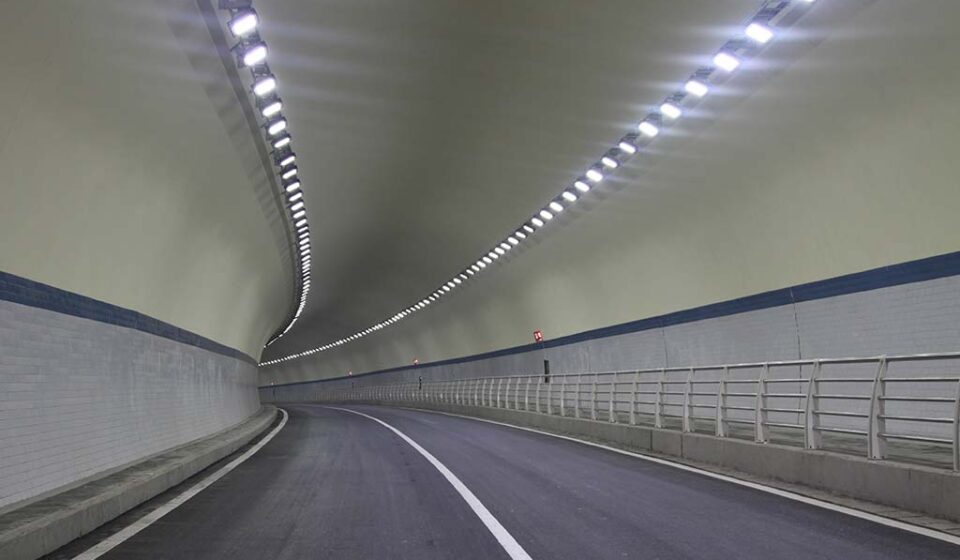

Modern tunnel lighting involves more than installing fixtures at regular intervals. Traffic conditions, daylight levels, operating hours, and tunnel zones can change throughout the day, creating a need for lighting systems that can respond to different conditions.
An LED Tunnel Lighting Manufacturer may integrate intelligent control capabilities with LED fixtures to adjust lighting according to project requirements. When properly designed, these systems can help manage illumination levels, energy consumption, maintenance information, and operational monitoring.
What Is Intelligent Tunnel Lighting?
Intelligent lighting uses control equipment, sensors, communication systems, or centralized software to manage lighting operation.
Instead of treating every fixture as a permanently fixed light source, an intelligent system can adjust selected lighting parameters based on information received from the tunnel environment.
Why Controls Matter in Tunnels
Tunnel lighting can operate for long periods, which makes operational efficiency an important consideration. However, lighting levels must remain appropriate for the conditions experienced by drivers.
Control systems can provide a way to adjust output while maintaining the illumination required for different tunnel zones and operating situations.
Using Daylight Sensors
Daylight conditions can change significantly from morning to evening and during different weather conditions. Sensors can monitor ambient brightness outside or around tunnel entrances.
The control system can use this information to adjust lighting levels where the project design permits, helping manage the transition between outdoor and indoor visual environments.
Responding to Traffic Conditions
Traffic volume can vary throughout the day. Some intelligent systems can receive information from traffic monitoring equipment and use it as an input for lighting control.
For example, lighting operation may be configured differently during periods of high traffic compared with quieter periods, subject to the project’s safety and control requirements.
Zonal Lighting Control
A tunnel does not necessarily need identical lighting output throughout its entire length. Entrance, transition, interior, and exit sections can have different lighting requirements.
Zonal control allows individual sections or groups of fixtures to be managed separately rather than controlling the entire tunnel as one lighting circuit.
Dimming LED Fixtures
LED technology is well suited to controlled dimming when the fixture and driver are designed for the required control method.
Dimming can allow lighting output to be adjusted according to programmed schedules or sensor information while avoiding unnecessary operation at maximum output.
Centralized Monitoring
Intelligent systems can provide a central interface for monitoring tunnel lighting equipment. Operators may be able to view the operating status of fixture groups and identify potential issues.
This can make it easier to manage large installations where manually checking individual fixtures would be time-consuming.
Detecting Lighting Faults
Some control systems can identify abnormal operating conditions or communication failures. Depending on the system architecture, operators may receive information when a fixture or lighting group requires attention.
Early identification can help maintenance teams investigate problems before they affect a larger section of the lighting installation.
Scheduling Lighting Operation
Lighting controls can also support scheduled operation. Different output levels can be programmed for specific periods when project requirements allow.
Schedules can be combined with sensor inputs so that the system responds to both predetermined operating periods and actual environmental conditions.
Communication Between Fixtures and Controls
Intelligent lighting systems require reliable communication between fixtures, controllers, sensors, and management platforms.
Depending on the project, different wired or wireless communication approaches may be considered. The appropriate solution depends on tunnel length, infrastructure, environmental conditions, and control requirements.
Integrating Emergency and Backup Systems
Tunnel lighting control should be considered alongside emergency and backup arrangements. Critical lighting functions may need to remain available even when normal power or communication systems experience problems.
Control architecture should therefore account for the required operating priorities and backup provisions established for the project.
Balancing Automation With Safety
Automation should not replace careful lighting design. Sensors and software can help manage operation, but the underlying fixture layout and illumination levels still need to satisfy the project’s technical requirements.
Control strategies should also include appropriate limits so that automated adjustments do not result in unsuitable lighting conditions.
Supporting Energy Management
One potential benefit of intelligent controls is the ability to avoid unnecessary full-output operation when lower lighting levels are appropriate.
The actual energy savings depend on factors such as tunnel operating hours, control strategy, traffic patterns, daylight conditions, and the baseline lighting system.
Maintenance Data and System Records
Advanced lighting control platforms may collect information about operating hours, fixture status, or fault events.
Such records can help maintenance teams understand how the lighting system is being used and plan inspections or replacement activities based on available operational information.
Designing Controls for Large Tunnel Projects
Large tunnel projects can involve hundreds or thousands of lighting fixtures, making system architecture particularly important.
Manufacturers and lighting engineers may divide fixtures into logical groups based on tunnel zones, roadway direction, electrical circuits, or other project requirements.
Compatibility With Existing Infrastructure
Not every tunnel requires a completely new control network. In some modernization projects, new LED fixtures may need to operate alongside existing electrical or control infrastructure.
Compatibility should therefore be assessed before equipment is selected. Communication protocols, control interfaces, wiring, and power requirements can all affect integration.
Testing and Commissioning
Intelligent lighting systems require testing after installation. Sensors, dimming functions, communication links, schedules, and control responses should be checked before the system is placed into normal operation.
Commissioning can also identify configuration issues that may not be apparent during individual fixture testing.
Future Expansion and Upgrades
A control system should ideally account for future changes to the tunnel. Additional fixtures, sensors, monitoring functions, or software capabilities may be required as infrastructure develops.
Considering scalability during the initial design can reduce the difficulty of making future modifications.
Conclusion
Intelligent lighting control can add another layer of functionality to LED tunnel lighting systems by allowing fixtures to respond to environmental conditions, traffic information, schedules, and operational requirements.
LED tunnel lighting manufacturers can support these applications by combining suitable fixtures with compatible drivers, sensors, communication systems, and control architectures. When the technology is properly planned, intelligent control can support operational monitoring, flexible lighting management, maintenance planning, and more efficient use of electrical energy without separating these functions from the fundamental requirements of tunnel visibility and safety.