
Good dental care is not limited to treating tooth pain when it appears. It also involves prevention, early detection, healthy habits, and suitable treatment at every stage of life. From a child’s first dental visit to routine adult check-ups and care for older adults, modern dentistry focuses on protecting oral health while making treatment as comfortable and practical as possible.
Choosing the right Dental Clinic Dubai can make it easier for individuals and families to maintain regular dental care. A modern dental practice may provide preventive, restorative, cosmetic, and general dentistry under one roof, helping patients address different oral health needs as they change over time.
Why Dental Care Matters at Every Age
Oral health can change significantly throughout life. Children may need help developing good brushing habits, teenagers may require orthodontic assessment, adults often deal with cavities or gum problems, and older adults may experience tooth wear, dry mouth, or tooth loss.
Regular dental visits can help identify problems before they become more complicated. A dental examination may include checking the teeth, gums, bite, existing restorations, and other parts of the mouth.
Professional care is important because some dental problems may develop without obvious symptoms. A person can have early tooth decay or gum inflammation without experiencing significant pain.
What Can You Expect From a Modern Dental Clinic?
A modern dental clinic generally combines preventive care with diagnosis and treatment based on the patient’s individual needs. The exact services available vary between practices, but common areas of dentistry include:
- Routine dental examinations and cleaning
- Preventive dental care
- Tooth-coloured fillings
- Treatment for dental decay
- Gum health assessment and treatment
- Root canal treatment
- Crowns and bridges
- Dental implants
- Dentures
- Children’s dentistry
- Cosmetic dental procedures
- Teeth whitening
- Dental veneers
- Orthodontic assessment
The goal is not simply to treat a single tooth. A comprehensive approach considers the overall condition of the mouth and how different dental issues may affect one another.
Dental Care for Children
Children benefit from dental care even when their baby teeth will eventually fall out. Healthy primary teeth support eating, speech development, and normal dental development.
A child’s first dental experiences can also influence how they feel about dental visits later in life. A calm, age-appropriate approach can help children become familiar with the dental environment.
Common Children’s Dental Needs
Depending on age and individual circumstances, children may need:
- Regular dental examinations
- Professional cleaning
- Fluoride-based preventive care where appropriate
- Monitoring of tooth development
- Assessment of cavities
- Guidance on brushing and flossing
- Advice about sugary foods and drinks
- Monitoring of jaw and bite development
Parents should also pay attention to habits such as frequent snacking, prolonged use of bottles or sweetened drinks, and inadequate brushing, as these can contribute to dental problems.
Dentistry for Teenagers
The teenage years bring several changes to oral health. Permanent teeth are generally established, while orthodontic concerns, wisdom teeth, sports-related injuries, and changes in daily habits can become relevant.
Teenagers may also become more interested in the appearance of their smile. Dental professionals can explain which cosmetic or orthodontic options are appropriate based on individual dental development.
Good daily habits remain essential. Brushing twice a day with fluoride toothpaste, cleaning between the teeth, limiting frequent sugary snacks, and attending regular dental examinations can support long-term oral health.
Dental Care for Adults
Adults commonly seek dental care for both preventive and restorative needs. Tooth decay, gum disease, tooth sensitivity, damaged fillings, worn teeth, and missing teeth can all require professional attention.
A dental examination allows the dentist to assess the current condition of the teeth and gums and discuss suitable options when treatment is necessary.
Preventive Care Should Come First
Preventive dentistry focuses on reducing the risk of dental problems rather than waiting until symptoms become severe.
A basic preventive routine includes:
- Brush your teeth twice daily with fluoride toothpaste.
- Clean between your teeth regularly using floss or another suitable interdental method.
- Limit frequent consumption of sugary foods and drinks.
- Avoid tobacco products, which can negatively affect oral health.
- Attend dental examinations at intervals recommended for your individual needs.
- Seek professional advice if you notice persistent pain, swelling, bleeding, or sensitivity.
These habits are simple, but consistency is more important than complicated routines.
Restorative Dentistry: Repairing Damaged Teeth
Restorative dentistry aims to restore the function and structure of teeth affected by decay, injury, wear, or other problems.
Treatment depends on how much of the tooth is affected. A small cavity may require a filling, while a significantly damaged tooth may need a crown. When the inner pulp becomes infected or inflamed, root canal treatment may be considered.
Common Restorative Treatments
Dental fillings: Used to repair teeth affected by decay.
Crowns: A crown covers and protects a significantly weakened or damaged tooth.
Bridges: These can replace a missing tooth by using neighbouring teeth or other supporting structures.
Dental implants: Implants are designed to replace missing tooth roots and can support a crown, bridge, or denture depending on the treatment plan.
Dentures: Depending on the situation, partial or complete dentures may be used to replace multiple missing teeth.
The appropriate choice depends on factors such as oral health, bone condition, remaining teeth, functional requirements, and the patient’s individual circumstances.
Cosmetic Dentistry and Smile Care
Modern dentistry also includes treatments that focus on the appearance of the smile. However, cosmetic procedures should still be considered in the context of overall oral health.
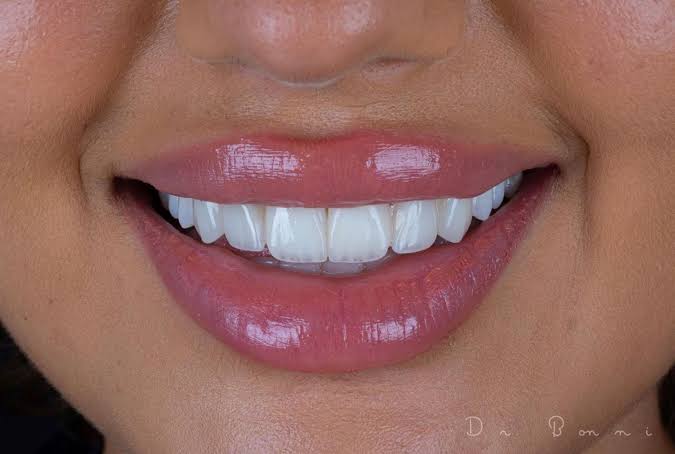
For example, teeth whitening may improve tooth colour, while veneers can alter the appearance of selected teeth. Dental professionals should first assess the health of the teeth and gums before discussing elective cosmetic treatment.
A natural-looking result generally requires consideration of tooth shape, proportion, colour, facial features, and existing dental structures rather than focusing on one characteristic alone.
Dental Care for Older Adults
Oral health remains important as people age. Older adults may experience changes such as tooth wear, gum recession, dry mouth, increased risk of decay, or tooth loss.
Certain medications and health conditions can also affect saliva production or oral tissues. This makes regular dental assessment particularly useful for identifying changes early.
For older patients, dental care may involve maintaining natural teeth, repairing damaged teeth, managing gum health, replacing missing teeth, or checking the condition of existing dentures and restorations.
How to Choose a Dental Clinic in Dubai
When looking for a dental clinic, patients should consider more than convenience or appearance. The right practice should provide clear communication and treatment recommendations that are appropriate to the individual’s needs.
Consider the following:
Range of Services
If you need ongoing family care, a clinic offering several areas of dentistry may make regular treatment more convenient.
Professional Communication
A good dental consultation should give you an opportunity to explain your concerns and understand the proposed treatment.
Treatment Planning
Ask what the problem is, what treatment options are available, and what may happen if treatment is postponed. Clear information helps patients make informed decisions.
Hygiene and Patient Comfort
The clinic environment, infection-control practices, and approach to patient comfort are also important considerations.
Personalised Care
Dental treatment is not identical for everyone. Age, oral health, previous treatment, lifestyle, and individual concerns can all influence the recommended approach.
When Should You Visit a Dentist?
You should arrange a dental assessment if you experience persistent toothache, swelling, bleeding gums, sensitivity, a broken tooth, difficulty chewing, or changes around the teeth or gums.
However, you do not need to wait for pain before seeing a dentist. Preventive examinations can help identify issues while they are still easier to manage.
For families looking for comprehensive dental care in Dubai, La Clinique provides a setting where different dental needs can be discussed according to the patient’s individual circumstances. The focus should always remain on appropriate assessment, clear communication, and treatment that supports long-term oral health.
Frequently Asked Questions
1. How often should I visit a dental clinic?
The ideal interval depends on your oral health, dental history, risk factors, and treatment needs. Some people may require more frequent visits, while others may be advised to attend routine examinations at longer intervals. Your dentist can recommend a schedule based on your individual needs.
2. Can children visit a dental clinic even if they have no tooth pain?
Yes. Dental visits are useful for prevention and monitoring, not only for treating pain. Early appointments can help children become comfortable with dental care and allow professionals to monitor tooth development and identify potential problems.
3. What should I do if my tooth suddenly breaks?
A broken tooth should be assessed by a dental professional, particularly if there is pain, bleeding, swelling, or sensitivity. Avoid using the affected tooth for hard foods and seek professional advice about the appropriate treatment.
4. Is cosmetic dentistry suitable for everyone?
Not necessarily. Cosmetic treatments may not be appropriate when there are untreated cavities, active gum disease, infection, or other underlying dental problems. A dental examination should come first so that treatment can be planned safely and appropriately.
5. Why is preventive dental care important?
Preventive care helps identify oral health problems early and supports healthy teeth and gums. Regular examinations, professional care when needed, and good daily oral hygiene can reduce the likelihood of problems becoming more complex.
Conclusion
Modern dentistry is about more than fixing teeth after problems develop. It combines prevention, early assessment, restorative care, cosmetic considerations, and age-appropriate treatment to support oral health throughout life. Whether care is needed for a child, teenager, adult, or older family member, regular professional assessment can help address dental concerns before they become more difficult to manage.
For patients seeking a Dental Clinic Dubai for different stages of life, La Clinique can be considered as part of the process of finding dental care that matches individual needs. The most important step is to choose professional care that prioritises proper assessment, clear explanations, and a personalised approach to oral health.