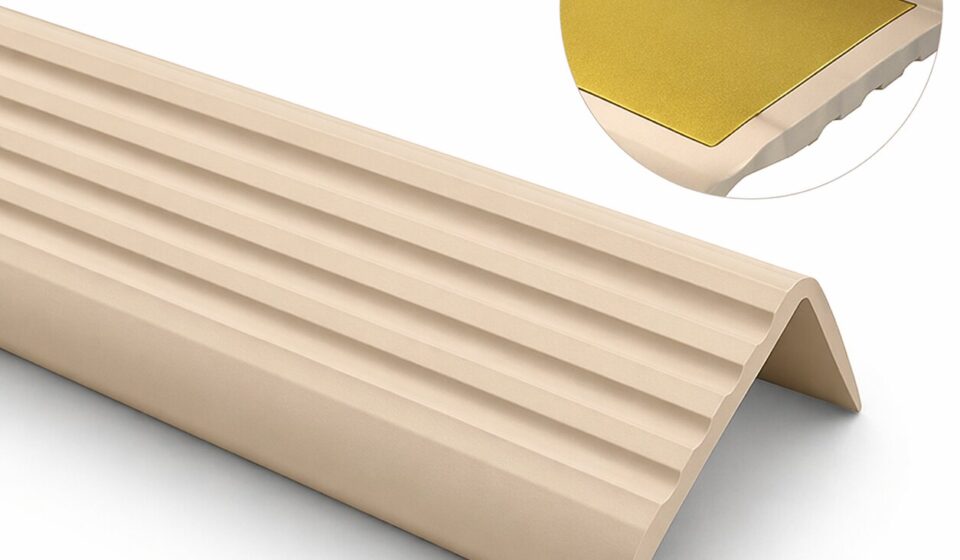

Staircases serve as both connecting floors and one of the most common accident zones in homes and companies. Slips, falls, and errors often occur along the margins of stairs. Wooden Stair Nosing solves this problem and improves visual attractiveness. Installing high-quality wooden stair nosing creates a smooth, polished surface, improves grip, and protects each step.
The protruding edge of a stair tread that extends just past the riser below is referred to as stair nosing. This longer edge improves grip and expands the surface area available for foot placement. Solid or engineered wood is used in wooden stair nosing to conceal and strengthen this exposed edge. It adds structural strength and facilitates a seamless transition between the vertical riser and the horizontal tread. Stair nosing is frequently regarded by designers as a decorative element that improves the overall staircase design in addition to serving as a safety measure.
Benefits of Wooden Stair Nosing for safety
Increased Resistance to Slippage
When climbing or descending steps, wooden stair nosing is essential for increasing traction and user confidence. It lessens unintentional slips brought on the worn-out corners and clearly identifies the step edge.
Better Grip For Foot
To improve traction, wooden stair nosing frequently has textured surfaces or grooves. Particularly on polished hardwood steps, these embellishments lessen the possibility of slipping. Better foot placement is another benefit of the slightly expanded edge, which promotes stability and balance.
Increased Visibility
To increase the visibility of stair edges, you can select wood tones that contrast with one another. Accurately defining edges aids users in determining step depth and preventing errors. Improved visibility promotes safer movement for kids, the elderly, and guests in both residential and business settings.
Enhanced Structural Sturdiness
In addition to being safe, wooden stair nosing fortifies the staircase and shields it from normal wear and tear. It serves as a barrier to prevent repeated impact.
Reinforcement at the Edge
Wooden nosing strengthens stair treads and keeps corner cracks from developing. Stairs with stronger edges last longer. The structure stays stable for years if the most strained section of each phase receives constant support.
Design Considerations for Seamless Integration
Complementary Stair Treads and Flooring
Coherent interior design is ensured when flooring and nosing are properly coordinated. Visual discrepancies can be avoided with careful material selection.
Reliable Wood Species
To achieve consistency, use the same type of wood for both flooring and nosing. Consistency creates a coherent appearance throughout the room and improves the overall architectural attractiveness.
Coordination of Grain and Color
Carefully align color hues and grain patterns. Visual flow can be broken by minor variations. A polished and expert finish is ensured by attention to detail.
Selection of Profile and Shape
Both comfort and aesthetics are influenced by the Stair Nosing profile. Every design choice adds to the overall personality of the staircase.
Profile of Bullnose
The edge of the bullnose design is rounded. This profile provides a comfortable foot placement and a classic look. It preserves safety while softening the stairway’s appearance.
Profile with Square Edge
Square edges create a modern and minimalist look. This profile is frequently used by designers in modern homes. It appears sharp and structured thanks to its clear lines.
Observance of Building Codes
Installation is safe and authorized by law when building standards are met. Before choosing nosing proportions, it is usually necessary to verify local legislation.
Appropriate Overhang Measurements
When choosing nosing depth and projection, abide by local building codes. Proper measurements guarantee both legal compliance and safety. Proper size promotes constant step measuring and eliminates tripping dangers.
Standards for Slip Resistance
Select finishes that adhere to the suggested levels of slip resistance for either commercial or residential applications. Products that are certified meet safety standards and boost user confidence. Click here if you want to know more about tarpaulins.
Why Wooden Stair Nosing Provides Smooth Safety Option
Wooden stair nosing is a single feature that blends style and utility. It improves traction, fortifies stair edges, and enhances interior appearance. Wood naturally mixes with timber floors and provides visual continuity, unlike rubber or metal substitutes. Wooden stair edging is preferred by builders, architects, and homeowners because it maintains long-term safety without compromising design. Long-lasting performance is ensured by proper installation and upkeep. Your staircase can be transformed into a secure, sophisticated architectural element that enhances the worth and dependability of any area by investing in high-quality materials and expert craftsmanship.