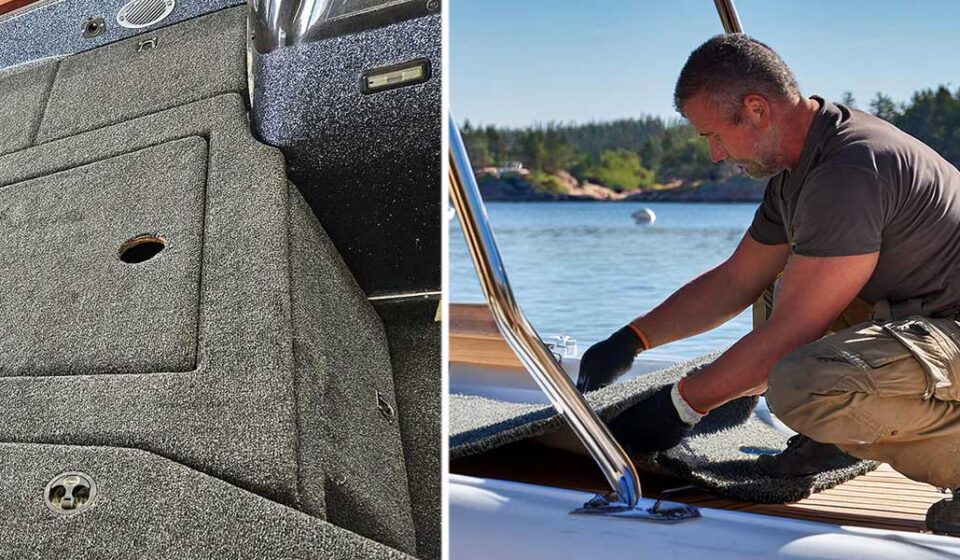

Outdoor carpets often start lifting or shifting after installation when exposed to changing weather and regular use. This creates uneven flooring and reduces surface life in outdoor service setups. The issue usually comes from installation gaps, surface preparation errors or using the wrong outdoor carpet glue. A high-quality adhesive creates a stronger bond between the carpet and the surface, helping it withstand moisture, temperature changes and foot traffic. Understanding these factors helps prevent repeated failures and supports long-term stability.
Main Reasons Outdoor Carpet Comes Loose
Outdoor carpet loosening is caused by environmental stress and installation errors. These factors directly affect how well the carpet stays fixed over time.
The key reasons are:
- Weather Impact: Expansion and contraction caused by heat, rain and humidity weaken the bond over time.
- Poor Surface Preparation: Dust, moisture or uneven flooring prevents proper adhesion from the start.
- Weak Adhesive Use: Low-quality bonding material loses grip faster in outdoor conditions.
- Heavy Traffic Load: Continuous foot traffic puts pressure on the edges and gradually loosens the carpet.
These causes often combine, making early loosening more likely when even one factor is ignored.
Why Adhesive Choice Determines Carpet Stability
Adhesive quality plays a central role in keeping outdoor carpets stable and secure. A strong bonding material ensures the carpet can handle pressure from weather and usage without shifting.
Performance depends on strength, durability and moisture resistance. This is where outdoor carpet glue becomes important because it is designed for outdoor conditions. Without the right adhesive, even proper installation cannot prevent early lifting or edge separation.
How the Right Glue Stops Carpet Lifting
The right adhesive controls how well the carpet stays fixed under outdoor stress. It forms a stable bond between the surface and carpet backing.
The benefits include:
- Strong Grip: Forms a firm bond with concrete, wood and mixed outdoor surfaces to prevent movement.
- Moisture Resistance: Prevents weakening in rain or high-humidity conditions.
- Thermal Flexibility: Adjusts to expansion and contraction caused by temperature changes.
- Long-Term Hold: Reduces bubbling, curling and edge lifting over time.
These features help maintain stability even in high-use outdoor areas when the correct material is used.
Service-Based Installation Approach That Prevents Failure
Proper installation methods are as important as the adhesive itself. A correct process improves bonding strength and reduces early failure.
The installation steps include:
- Surface Cleaning: Remove dust, dirt and moisture before application for better grip.
- Even Application: Spread adhesive uniformly to avoid weak bonding spots.
- Product Selection: Use professional-grade outdoor carpet glue for consistent outdoor performance.
These steps ensure stronger adhesion and long-term service reliability.
Simple Maintenance to Keep Outdoor Carpet Secure
Regular care helps extend the life of the carpet and prevent early lifting issues.
Maintenance actions include:
- Edge Inspection: Check corners and edges regularly for early signs of lifting.
- Surface Cleaning: Keep the area free from dirt and moisture buildup.
- Quick Repairs: Fix minor lifting immediately to prevent wider separation.
These small actions help maintain surface stability over time.
Conclusion
Outdoor carpet loosening mainly happens due to weather pressure, weak preparation and poor adhesive selection. Using the right installation method and the right bonding material helps avoid these issues. A strong adhesive approach ensures durability, stability and long-term performance in outdoor service environments.