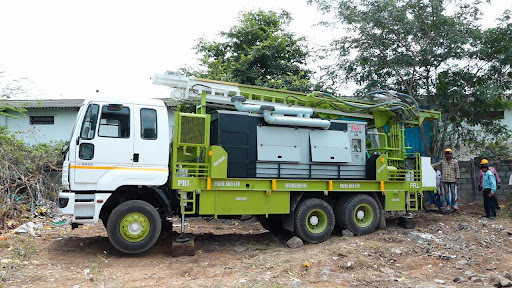

When a drilling rig finishes its work and moves on to the next site, most people assume the job is essentially complete. The hole is drilled, the well is capped, or the foundation is set, and the equipment rolls out. But the paperwork generated during that process, depth logs, geological data, drilling fluid records, equipment performance reports, often carries value that extends far beyond the day the rig leaves the site. For anyone working with drilling equipment in construction, understanding why these records matter over the long term is just as important as understanding the equipment itself.
What Drilling Records Actually Capture
A properly maintained drilling log documents far more than simply how deep a hole was drilled. It records subsurface soil and rock conditions layer by layer, groundwater levels encountered, drilling rates and any obstructions faced along the way, and the specific equipment and techniques used to complete the job. This information, gathered in real time during drilling, offers a detailed snapshot of underground conditions that would otherwise require new investigation to rediscover.
Why These Records Matter Years Later
Here are the three key reasons why these records matter years later mentioned below;
Future Construction and Expansion
When a site undergoes expansion or nearby construction years down the line, engineers benefit enormously from having historical subsurface data already on file. Instead of commissioning fresh geological surveys from scratch, well-kept records from earlier drilling work can inform foundation design, reduce investigation costs, and highlight subsurface risks that might otherwise go unnoticed until construction is already underway.
Legal and Regulatory Documentation
Drilling records frequently serve as essential documentation for regulatory compliance, water rights verification, or environmental assessments. When disputes arise over land use, groundwater access, or contamination liability, historical drilling logs can provide critical evidence establishing what conditions existed at a given point in time, information that’s often impossible to reconstruct accurately after the fact.
Equipment and Vendor Accountability
Detailed records also protect both clients and contractors. If issues emerge with a well or foundation years after completion, having documented evidence of the equipment used, the depths reached, and the conditions encountered helps clarify whether the original work was performed to specification, an important safeguard for both parties involved.
Working With Reputable Drilling Rig Companies
This is precisely why the choice of contractor matters well beyond the immediate project. Established drilling rig companies with disciplined documentation practices provide clients with far more than a completed hole in the ground; they provide a lasting record that retains real value for years afterward. Verifying that a contractor maintains thorough, accessible records should be a standard part of due diligence before any project begins.
Conclusion
Drilling records aren’t just paperwork generated during a project; they’re a lasting asset that continues delivering value long after the equipment has moved on. From informing future construction decisions to supporting legal and regulatory needs, well-maintained records reduce risk and save considerable time and cost down the line. Choosing contractors among established drilling rig companies who prioritize thorough documentation ensures that value isn’t lost once the rig departs the site. Prime Rigs brings this same discipline to every project, combining reliable drilling equipment with a strong commitment to detailed, accessible documentation. Their approach ensures clients retain lasting, usable records long after a rig completes its work and moves to the next site.