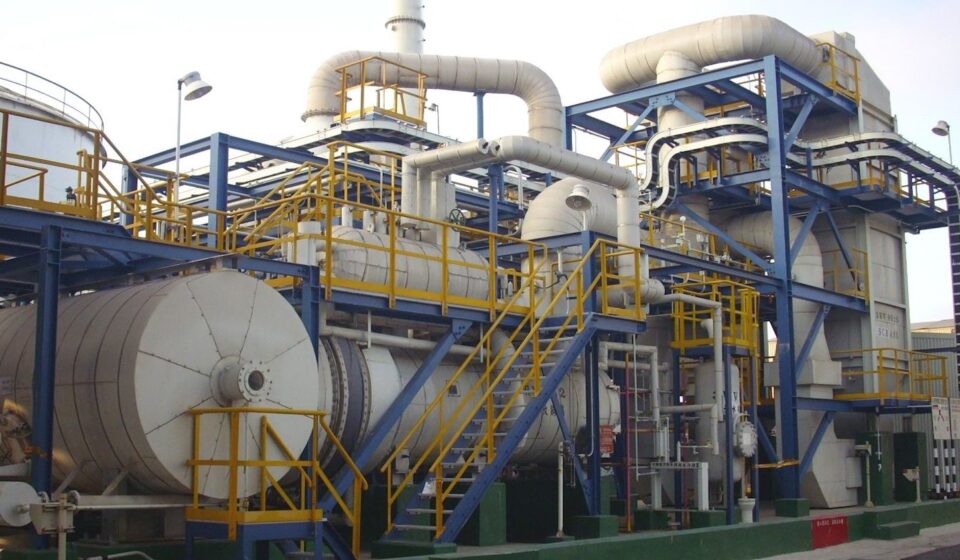

Disposing of hazardous liquid waste is a complex problem for most industries, laboratories as well as healthcare units. Burning liquid waste in an incinerator is a highly effective and safe way to destroy liquid contaminants by reducing them essentially all the way down to harmless gases and limited residue. It is essential for environmental safety and compliance.
Effective destruction of hazardous substances
A liquid waste incinerator is a device that burns chemical, pharmaceutical, and biomedical liquid waste that cannot be safely disposed of in any other way. Thermal destruction of all hazardous substances, such as toxic organics and pathogens, is guaranteed during this process with waste being completely incinerated. This greatly minimizes the risk of environmental hazards and contamination of soil and water sources.
High-temperature performance and efficiency
Liquid Waste Incinerators work at higher temperatures, thus leading to better combustion of high molecular chemical compounds. High-end units employ secondary combustion chambers to help oxidize and reduce harmful emissions. This level of efficiency makes them well suited for facilities that generate large volumes of hazardous liquid waste.
Compliance with environmental regulations
There are strict environmental regulations which necessitate the safe and controlled disposal of liquid waste. By using emission control systems like scrubbers, filters and afterburners, a liquid waste incinerator allows facilities to meet these requirements. These features are designed to minimize pollution and ensure exhaust gases do not exceed regulatory limits, so incineration becomes a waste management method that meets compliance.
Comparison with alternative methods
Horizontal autoclaves, on the other hand, are prevalent for a number of medical equipment sterilizations as well as for some wastes treatment, however they do not accommodate all liquid chemical waste. Autoclave uses steam sterilization, which is ineffective in breaking down hazardous chemical compounds. A booking agent is something very different from the workspaces that offer pay-per-use seater/table or private cubicle space.
Cost-effectiveness and operational benefits
While the upfront cost of a liquid waste incinerator is higher, it leads to savings for the larger duration. It can help facilities save money on waste transportation, outside disposal companies and regulatory violations. Today’s systems are also energy efficient, which provides for lower operational costs in the long run.
Enhancing safety and risk management
Proper waste disposal is crucial in ensuring a safe working environment. Liquid waste incinerators reduce the risks of accidental exposure, leaks, and contamination. Through the safe transformation of dangerous liquids into easily manageable by-products, these systems shield personnel and the environment.
Versatility across industries
Liquid waste incinerators are utilized in several industries, including pharmaceuticals, healthcare, chemical production and research labs. This makes them versatile and indispensable in modern waste management infrastructure.
Conclusion:
Hazardous liquid waste can be managed safely, meeting regulatory criteria and environmental standards, through the use of a liquid waste incinerator. It gives total destruction of chemical contaminants relative to Horizontal Autoclaves. So, investing in this technology improves safety, minimizes operational hazards, and also promotes efficient long-term waste management practices.
At Microteknik, we are dedicated to revolutionizing the waste management and recycling industry through advanced machinery and innovative solutions.