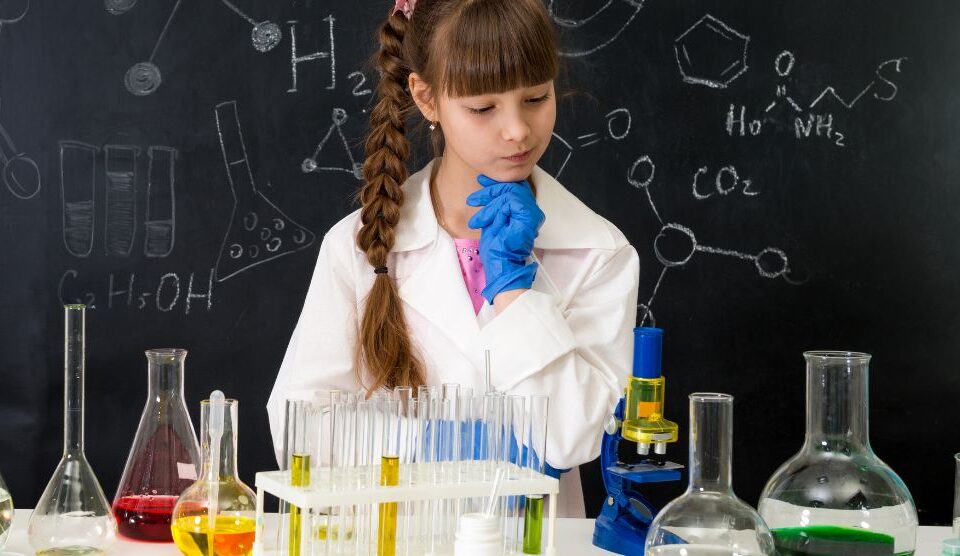

All practical work is built upon the foundation of basic laboratory apparatus in any lab environment. These basic tools help both students and scientists conduct experiments accurately and safely; whether it’s in educational institutions, research facilities or industrial labs. Whether it be the measurement of liquids, heating substances, or performing reactions, chemistry laboratory apparatus are essential in producing reliable and reproducible results.
Supporting accurate measurements and observations
Scientific experimentation necessitates precision, and basic laboratory apparatus are critical for achieving this accuracy. Equipment like graduated cylinders, burettes, pipets and analytical balances enable scientists to measure materials quantitatively. Proper measurement minimizes the errors that can occur during experimentation, thereby ensuring that results are stable and reliable, an essential aspect of any learning or research application.
Allowing for a diverse variety of experiments
Fundamental laboratory tools are made to help methods of experimentation. For mixing, heating, filtering and transferring are generally used beakers, flasks, test tubes and funnels. These multipurpose machines enable the efficient running of both simple and highly complicated experiments. Some reactions involving chemicals are especially sensitive to the chemistry laboratory apparatus and procedures due to how reactants should be handled with care.
Ensuring safety in laboratory environments
Every lab prioritizes safety, and essential laboratory apparatus plays a crucial role in ensuring the working environment is secure. Well designed equipment reduces the risk of spills, breaking things, and being exposed to harmful substances. Heat resistant materials, stable designs and clearly marked measurements minimize the risk of accidents. Proper Scientific Practices: Chemistry lab apparatus enables experiments to be performed under controlled and safe experimental conditions.
Enhancing learning and practical understanding
In education, even more so in science: practical experience is adopted to learn. Elementary laboratory equipment enables the students to work actively with experiments, which gives meaning to theoretical knowledge. Chemistry laboratory apparatus help learners see reactions, measure changes and think critically. The practical experience gained during this period helps develop confidence and prepares students for higher studies in the scientific field.
Improving efficiency and workflow
Using the right basic laboratory apparatus at hand makes working in a lab more efficient. When your tools are organized and properly maintained, you work smoothly without wasting time on the experimental delay. Access to reliable tools allows researchers to perform tasks more quickly and accurately. This hit a nerve, and the algorithms were very quick to apply their calculations directly on laboratories where they conducted several tests at once.
Promoting consistency and reproducibility
To ensure reproducibility, basic laboratory apparatus is designed so that it guarantees consistency in scientific research. That standardized equipment means that experiments can be repeated under similar conditions, providing researchers an opportunity to verify and validate their results. Lab equipment for chemistry, constructed with precision and quality ensures consistency fundamental to the credibility of science.
Conclusion:
Laboratory instruments are the basic tools used for accurate, safe and efficient experimentation. Chemistry lab apparatus can aid in obtaining reliable results, from measurement to reaction handling. Tools of quality will not only drive consistency but safety and lab performance in total, thus positioning themselves as the core within every scientific and educational environment.