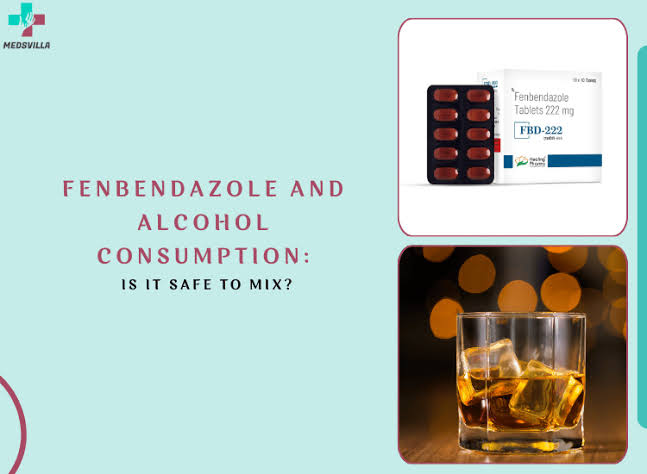

Fenbendazole is an antiparasitic medication primarily used in veterinary medicine to treat intestinal worms in animals. Alcohol, meanwhile, is a widely consumed substance that can affect several organs, particularly the liver and digestive system. When considering fenbendazole and alcohol together, an important question arises: Could combining them increase health risks or cause unwanted side effects?
Although there is limited research examining the direct interaction between fenbendazole and alcohol in humans, caution is important. Fenbendazole has not been approved for human use, and its safety profile in people remains insufficiently established. Understanding the potential risks can help individuals make more informed decisions about medication safety.
Does Fenbendazole Interact With Alcohol?
There is currently insufficient clinical evidence to establish whether fenbendazole directly interacts with alcohol in humans. No reliable human studies have determined whether drinking alcohol changes fenbendazole absorption, effectiveness, or metabolism.
However, both substances raise potential safety considerations involving the liver. Fenbendazole is metabolised in the liver, and cases of liver injury have been reported following unsupervised human use.
Alcohol is also processed by the liver. Regular or excessive alcohol consumption can contribute to liver inflammation and damage.
Combining substances with potential liver-related effects may introduce additional uncertainty. Therefore, avoiding alcohol is a sensible precaution if someone has taken fenbendazole without medical supervision.
Potential Risks of Mixing Fenbendazole and Alcohol
Although a specific interaction has not been established, several potential concerns deserve attention.
Increased Liver Stress
The liver plays an important role in processing medications and alcohol. Fenbendazole-associated liver injury has been documented in people who have used veterinary formulations.
Alcohol can independently damage liver cells, particularly with frequent or heavy consumption. Combining alcohol with an unapproved veterinary medication may make it more difficult to identify the cause of liver-related symptoms.
Digestive Discomfort
Fenbendazole may cause gastrointestinal symptoms, including nausea and abdominal discomfort. Alcohol can also irritate the digestive system.
When consumed together, these effects could potentially contribute to:
- Nausea or vomiting
- Stomach discomfort
- Abdominal pain
- Digestive irritation
However, an increased risk from the combination has not been confirmed in clinical studies.
Dizziness and General Discomfort
Alcohol can affect coordination, alertness, and balance. Fenbendazole has also been associated with reported side effects such as dizziness and headaches in discussions of its potential human toxicity.
Whether combining the substances increases these effects is unknown.
Can Alcohol Affect Fenbendazole’s Effectiveness?
There is no established clinical evidence showing that alcohol reduces or increases fenbendazole’s antiparasitic effectiveness.
Fenbendazole works by interfering with essential cellular processes in certain parasites. Alcohol has different effects on the body and does not have an established role in improving this medication’s activity.
However, the absence of interaction studies does not establish that combining them is safe.
It is also important to understand that fenbendazole is a veterinary medication rather than an approved human treatment. Its effectiveness, appropriate dosage, and long-term safety in people have not been adequately established.
Warning Signs to Watch For
People who have taken fenbendazole and consumed alcohol should pay attention to unusual symptoms.
Potential warning signs of liver injury include:
- Yellowing of the skin or eyes (jaundice)
- Dark-coloured urine
- Unusual tiredness or weakness
- Persistent nausea or vomiting
- Pain in the upper-right abdomen
- Loss of appetite
These symptoms should not be ignored. Jaundice, severe abdominal pain, persistent vomiting, or confusion require prompt medical assessment.
If you experience concerning symptoms after combining substances, stop drinking alcohol and seek medical advice. Do not take additional veterinary medication.
What Precautions Should You Take?
Because human safety data for fenbendazole are limited, there is no established safe amount of alcohol to consume while taking it.
Consider the following precautions:
Avoid Alcohol: Avoid drinking alcohol if you have taken fenbendazole without medical supervision. This reduces an additional potential source of liver stress.
Do Not Self-Medicate: Fenbendazole products intended for animals should not be used as substitutes for approved human medications.
Discuss Other Medications: Inform your healthcare professional about prescription medicines, supplements, and other substances you use.
Monitor Unusual Symptoms: Seek medical advice if you develop persistent digestive problems, unusual fatigue, or symptoms suggesting liver injury.
Get Medical Guidance: If you are concerned about a possible interaction, a healthcare professional can assess your symptoms and determine whether liver function testing is appropriate.
Fenbendazole and Ivermectin: Understanding the Safety Concerns
Fenbendazole and ivermectin are both antiparasitic agents, but they have different regulatory approvals and established uses.
Ivermectin is approved for treating certain parasitic infections in humans, while fenbendazole is primarily intended for veterinary use and is not approved as a human medication.
Online searches frequently include terms such as fenbendazole ivermectin pills, fenbendazole ivermectin capsules, and ivermectin and fenbendazole pills for humans. However, the availability of products marketed using these descriptions does not establish their safety, quality, or suitability for human consumption.
There is also no established human treatment protocol demonstrating that combining fenbendazole and ivermectin provides additional health benefits.
A reported case published in 2026 described severe liver injury following the use of veterinary fenbendazole and ivermectin. Although one case cannot establish the overall risk, it highlights the potential dangers of unsupervised use.
People researching fenbendazole and ivermectin tablets price should remember that product cost does not indicate medical quality, regulatory approval, or clinical effectiveness.
Neither medication should be combined or used for an unapproved purpose without appropriate medical guidance.
Conclusion
Mixing fenbendazole and alcohol raises important safety questions, particularly concerning potential liver-related effects. Although no well-established human interaction has been identified, the lack of clinical research means that combining them cannot be considered safe.
Fenbendazole is intended for veterinary use, and reported cases of liver injury highlight the risks associated with unsupervised consumption. Avoiding alcohol, not self-medicating with veterinary products, and discussing any exposure with a healthcare professional are sensible precautions.
Frequently Asked Questions
Can I drink alcohol after taking fenbendazole?
There is insufficient human research to establish a safe waiting period. Because fenbendazole is not approved for human use and its safety profile is uncertain, avoiding alcohol and seeking medical advice is the safer approach.
Does fenbendazole cause liver damage?
Yes, liver injury has been reported in people who have taken fenbendazole without medical supervision. The frequency and overall risk in humans are not established.
Can alcohol increase fenbendazole side effects?
A direct interaction has not been confirmed. However, alcohol can independently cause digestive symptoms, dizziness, and liver-related problems.
Is fenbendazole safe for humans?
Fenbendazole is a veterinary medication, and its safety and effectiveness in humans have not been adequately established. It should not be used as a self-prescribed human treatment.