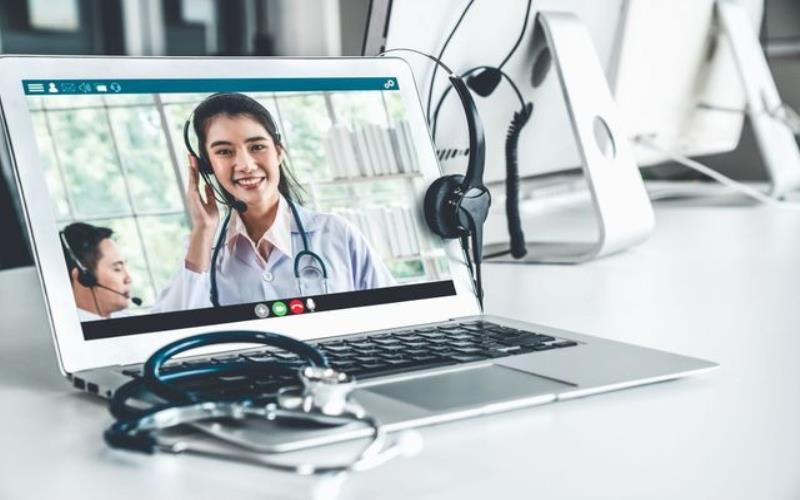

Managing a medical practice means balancing patient care with a steady flow of administrative responsibilities. Phone calls, appointment requests, cancellations, and patient inquiries can quickly fill a team’s working day. A virtual medical receptionist offers a practical way to manage these tasks remotely, helping healthcare providers maintain organized communication without adding unnecessary pressure to their in-office staff.
For doctors who want to spend more time with patients, dependable reception support can make everyday operations easier. From answering incoming calls to coordinating appointments, a remote receptionist helps ensure that patients have a clear and convenient way to contact their healthcare provider.
What Is a Virtual Medical Receptionist?
A virtual medical receptionist is a remote professional who handles front-desk and administrative communication for a medical practice. Using approved phone systems, scheduling software, and other communication tools, they can perform many of the responsibilities traditionally managed at a reception desk.
Their duties may include answering calls, scheduling appointments, confirming bookings, recording messages, managing cancellations, and directing administrative inquiries to the appropriate staff members.
Because healthcare communication requires discretion and accuracy, medical reception support should be provided by professionals who understand patient confidentiality and follow the practice’s established procedures.
How a Virtual Receptionist for Doctors Helps
A virtual receptionist for doctors helps reduce the pressure created by frequent phone calls and routine administrative requests. When physicians are consulting patients, they cannot always answer incoming calls or respond immediately to scheduling questions.
A remote receptionist can manage these interactions according to the practice’s instructions. They can collect relevant information, provide approved administrative details, and pass messages to the appropriate team member.
This approach helps create a more consistent communication process. Patients receive assistance with routine matters, while doctors and clinical staff can concentrate on consultations and other responsibilities that require their attention.
Making Appointment Scheduling Simpler
Appointment scheduling is one of the most important responsibilities in a medical office. Patients may need to arrange consultations, reschedule existing visits, or confirm upcoming appointments.
A virtual medical receptionist can help maintain appointment calendars, send reminders, and communicate schedule changes. Following clear scheduling procedures can reduce confusion and help the practice manage its daily workload more effectively.
Organized appointment management also supports a better patient experience. When patients receive accurate information and timely confirmations, arranging a visit becomes more straightforward.
Improving Patient Communication
A patient’s impression of a medical practice often begins with the way their call is handled. A courteous response, clear information, and helpful guidance can make the interaction more comfortable.
Virtual receptionists can answer routine administrative questions and guide callers through approved procedures. They can also record messages for healthcare professionals when a question requires further attention.
For clinical concerns, receptionists should follow the practice’s escalation protocols rather than offering medical advice beyond their qualifications. This distinction helps maintain professional boundaries while ensuring that patient communication remains organized.
Benefits for Busy Medical Practices
One major advantage of a virtual receptionist for doctors is flexibility. Practices can arrange remote reception support according to their call volume, staffing requirements, and operating procedures.
This can be useful for independent doctors, specialist offices, and growing clinics that need dependable communication support but may not require another full-time employee at a physical reception desk.
Remote reception can also help reduce interruptions for existing staff. Instead of constantly switching between patient-facing duties and incoming calls, employees can focus on their assigned responsibilities while routine communication is handled through a dedicated process.
Working Alongside Virtual Medical Assistant Services
Reception support can complement broader virtual medical assistant services. While a receptionist generally focuses on calls, appointment management, and front-desk communication, a medical virtual assistant may help with additional administrative duties.
Depending on training and authorization, these responsibilities may include patient registration, documentation support, information checks, follow-up scheduling, and record organization.
Combining these functions can help healthcare practices distribute administrative work more effectively. The specific arrangement should reflect the practice’s needs and the responsibilities each professional is qualified to perform.
Protecting Patient Information
Patient confidentiality is essential when handling healthcare calls and appointment details. A virtual medical receptionist should follow established privacy procedures and use approved communication systems.
Practices should provide appropriate training, restrict access to necessary information, and establish clear guidelines for recording messages and sharing patient details. Organizations subject to HIPAA must ensure their remote reception arrangements comply with applicable privacy and security requirements.
Responsible information handling helps protect patients and maintain trust in the practice.
Choosing the Right Reception Support
Before selecting a virtual medical receptionist, doctors should consider their average call volume, appointment scheduling needs, preferred communication channels, and operating hours.
Professional communication, reliability, attention to detail, and familiarity with healthcare administration are important qualities. Practices should also establish clear instructions for handling cancellations, sensitive inquiries, urgent calls, and messages requiring follow-up.
A well-defined process makes it easier for remote reception support to integrate into daily operations.
Conclusion
A virtual medical receptionist can help healthcare practices handle incoming calls, manage appointments, and maintain consistent communication with patients. With the support of a virtual receptionist for doctors, medical teams can reduce routine interruptions and create a more organized administrative workflow.
By choosing reliable reception support and establishing clear procedures, doctors can improve the patient experience while making better use of their time. Effective remote reception allows healthcare professionals to focus more closely on patient care while essential communication tasks continue to receive attention.