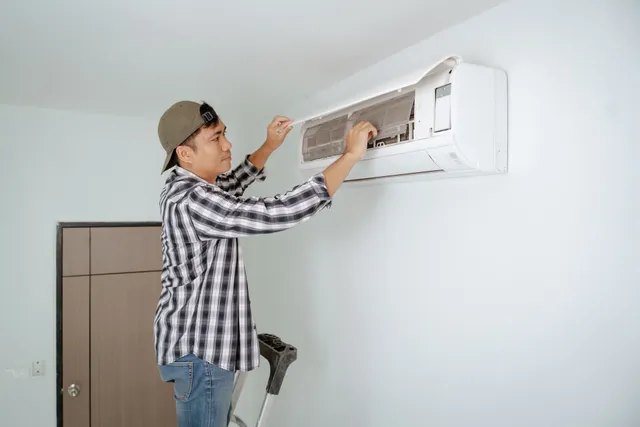

When an HVAC system needs repairs, one of the first questions homeowners ask is how much it will cost. While there is no single price for every repair, several factors influence the final bill. Understanding these variables can help you budget more effectively and make informed decisions when your heating or cooling system requires professional attention.
Whether you’re dealing with a minor issue or a major system malfunction, working with a trusted HVAC Repair Fresno service can help ensure accurate diagnostics and quality repairs. Knowing what affects repair costs also helps you avoid unexpected expenses and plan for future maintenance.
Why HVAC Repair Costs Vary
Every HVAC system is different, and repair costs depend on the specific issue affecting your equipment.
Some of the most common factors include:
- Type of repair needed.
- Age of the system.
- Replacement parts required.
- Labor costs.
- Emergency service requests.
- Overall condition of the equipment.
A professional inspection is often necessary to determine the exact cause of the problem.
Type of HVAC Problem
The nature of the repair is one of the biggest cost factors.
Minor issues, such as replacing a clogged air filter or recalibrating a thermostat, are generally less expensive than major repairs involving compressors, blower motors, or refrigerant systems.
Early diagnosis often prevents small issues from developing into larger, more costly repairs.
Age of the HVAC System
Older HVAC systems typically require more frequent repairs as components wear out over time.
In some cases:
- Replacement parts may be harder to find.
- Repairs may take longer.
- Overall efficiency may decline.
- Multiple components may need attention.
If your system is approaching the end of its expected lifespan, comparing repair costs with replacement options may be worthwhile.
Replacement Parts
The cost of replacement parts varies depending on the component and the manufacturer.
Parts that commonly require replacement include:
- Capacitors.
- Blower motors.
- Fan motors.
- Thermostats.
- Compressors.
- Circuit boards.
More complex components generally increase the overall repair cost.
Labor Costs
Labor charges vary depending on the complexity of the repair and the amount of time required.
Repairs involving electrical systems, refrigerant handling, or major mechanical components often require specialized expertise, which can increase labor costs.
Choosing experienced technicians helps ensure repairs are completed correctly the first time.
Emergency Repair Services
Emergency HVAC repairs are often more expensive than scheduled appointments.
Additional charges may apply for:
- Evenings.
- Weekends.
- Holidays.
- After-hours emergency calls.
Whenever possible, addressing minor problems early can reduce the likelihood of needing emergency service.
System Maintenance History
A well-maintained HVAC system is generally less expensive to repair than one that has been neglected.
Regular maintenance helps:
- Prevent major component failures.
- Improve system efficiency.
- Identify worn parts early.
- Reduce overall repair frequency.
Annual inspections are often one of the most cost-effective ways to protect your investment.
Energy Efficiency Issues
When an HVAC system loses efficiency, it may require additional repairs to restore proper performance.
Common efficiency-related problems include:
- Dirty air filters.
- Clogged coils.
- Refrigerant leaks.
- Restricted airflow.
- Faulty thermostats.
Fixing these issues not only improves comfort but can also lower monthly utility bills.
Accessibility of the Equipment
The location of your HVAC equipment can also influence repair costs.
Systems installed in:
- Attics.
- Crawl spaces.
- Rooftops.
- Tight utility closets.
may require additional labor due to limited accessibility.
Easy access generally allows technicians to complete repairs more efficiently.
Preventing Expensive Repairs
Many costly HVAC repairs can be avoided with consistent preventive maintenance.
Helpful maintenance practices include:
- Replacing air filters regularly.
- Cleaning outdoor condenser units.
- Keeping vents unobstructed.
- Scheduling annual professional inspections.
- Monitoring unusual noises or odors.
Small maintenance tasks often prevent larger mechanical failures.
Questions to Ask Before Approving Repairs
Before authorizing any repair work, consider asking:
- What is causing the problem?
- Are replacement parts included in the estimate?
- Is the repair covered by a warranty?
- Are there alternative repair options?
- Will this repair improve system efficiency?
- Should I consider replacing the system instead?
These questions help ensure you understand both the repair and its long-term value.
Repair or Replace?
Sometimes replacing an aging HVAC system may be more economical than repeated repairs.
Factors to consider include:
- Age of the equipment.
- Frequency of repairs.
- Overall energy efficiency.
- Cost of replacement.
- Expected remaining lifespan.
A qualified HVAC professional can help evaluate which option provides the best value.
Conclusion
HVAC repair costs in Fresno depend on several factors, including the type of repair, system age, labor requirements, replacement parts, and maintenance history. Understanding these variables allows homeowners to make informed decisions and better prepare for unexpected repairs.
By investing in routine maintenance, addressing problems early, and working with experienced HVAC professionals, you can reduce repair expenses, improve energy efficiency, and extend the life of your heating and cooling system.