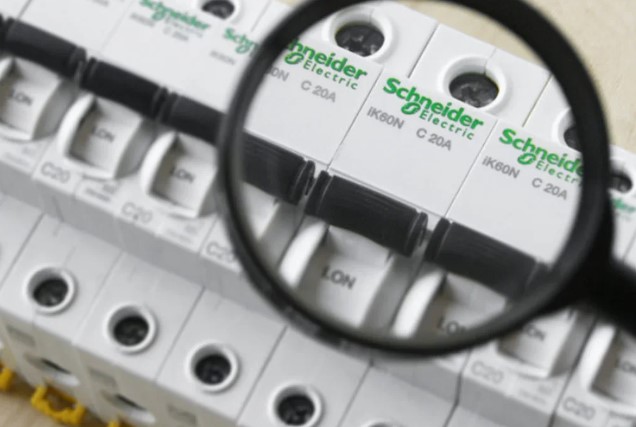
Electrical safety is a vital aspect of every residential, commercial, and industrial installation. Circuit breakers play a crucial role in protecting wiring, appliances, and occupants by automatically interrupting the electrical supply during overloads and short circuits. However, selecting the right protection device requires understanding different breaker categories and their applications. Learning about MCB breaker types and the importance of electrical distribution boxes helps homeowners and businesses build safer, more reliable electrical systems that support efficient power distribution and long-term operational performance.
Why Circuit Breakers Are Essential
Circuit breakers are designed to detect abnormal electrical conditions and disconnect the power supply before damage occurs. Unlike traditional fuses, circuit breakers can usually be reset after the fault has been resolved, making them a practical and dependable solution for modern electrical installations.
Some key benefits include:
- Protection against overloads
- Short-circuit protection
- Reduced risk of electrical fires
- Improved equipment safety
- Convenient resetting after faults
As electrical demands continue to increase, properly selected circuit breakers become an essential part of every safe electrical system.
Understanding MCB breaker types
Miniature Circuit Breakers (MCBs) are among the most commonly used protective devices in homes and offices. Different MCB breaker types are designed to handle varying electrical loads and equipment characteristics.
Choosing the appropriate breaker depends on the nature of the connected appliances and the expected electrical current.
Type B MCB
Type B breakers trip quickly when relatively small overloads occur, making them suitable for residential lighting circuits and standard household electrical applications.
Typical uses include:
- Lighting circuits
- General household outlets
- Small domestic appliances
Type C MCB
Type C breakers are designed for circuits that experience moderate inrush currents.
These are commonly used for:
- Air conditioners
- Refrigerators
- Washing machines
- Water pumps
They provide dependable protection while accommodatin the temporary current surge generated during equipment startup.
Type D MCB
Type D breakers tolerate significantly higher inrush currents before tripping.
These breakers are generally selected for:
- Electric motors
- Heavy-duty machinery
- Industrial equipment
- Specialised electrical installations
Understanding these MCB breaker types allows users to match the appropriate protection level with each circuit’s operating conditions.
How Circuit Breakers Improve Electrical Safety
Circuit breakers provide multiple layers of protection throughout the electrical system.
Their primary functions include:
Preventing Overloads
When excessive current flows through a circuit for an extended period, the breaker automatically disconnects the power supply before overheating damages wiring.
Protecting Against Short Circuits
Short circuits generate extremely high fault currents. Circuit breakers respond almost instantly, limiting damage to connected equipment.
Reducing Fire Risk
By interrupting dangerous electrical faults quickly, breakers help reduce the likelihood of electrical fires caused by overheating or damaged insulation.
Protecting Appliances
Sensitive household electronics benefit from reliable electrical protection that reduces exposure to damaging electrical faults.
The Importance of electrical distribution boxes
While circuit breakers provide protection, electrical distribution boxes serve as the central hub that houses and organises these protective devices.
A properly designed distribution box offers several important benefits:
- Safe housing for electrical components
- Organised circuit management
- Easier maintenance
- Simplified troubleshooting
- Improved electrical safety
Modern distribution boxes provide sufficient space for circuit breakers while protecting internal wiring from accidental contact and environmental factors.
Choosing the Right Distribution Box
Selecting an appropriate distribution box is just as important as choosing the circuit breakers themselves.
Consider Capacity
The box should accommodate both current and future electrical requirements.
Allowing extra space simplifies future circuit expansion without major modifications.
Material Quality
High-quality construction offers:
- Mechanical strength
- Corrosion resistance
- Heat resistance
- Long-term durability
Strong construction helps protect internal electrical components throughout the life of the installation.
Accessibility
A well-positioned distribution box allows electricians to perform inspections, maintenance, and upgrades safely and efficiently.
Factors to Consider When Selecting Circuit Breakers
Several technical considerations influence breaker selection.
Current Rating
The breaker should match the expected continuous current of the protected circuit.
Choosing an oversized or undersized breaker may reduce protection effectiveness.
Breaking Capacity
Breaking capacity indicates the maximum fault current the breaker can safely interrupt.
Higher fault levels may require breakers with greater interruption capability.
Circuit Application
Different electrical circuits require different levels of protection depending on the connected equipment and expected operating conditions.
Understanding MCB breaker types ensures that each application receives appropriate protection.
Common Mistakes to Avoid
Incorrect breaker selection can compromise both safety and equipment reliability.
Choosing the Wrong Breaker Type
Using an unsuitable breaker may result in unnecessary tripping or inadequate protection during electrical faults.
Ignoring Future Expansion
Installing undersized electrical distribution boxes may limit the ability to add new circuits as electrical needs increase.
Overloading Circuits
Connecting excessive electrical loads to a single circuit increases the likelihood of overloads and nuisance tripping.
Poor Installation
Professional installation helps ensure proper wiring, secure connections, and compliance with recommended electrical practices.
Maintenance Tips for Long-Term Reliability
Routine maintenance helps preserve electrical safety and system performance.
Follow these recommendations:
- Inspect distribution boxes periodically.
- Check for loose electrical connections.
- Keep distribution boxes clean and dry.
- Test breaker operation during routine maintenance.
- Replace damaged electrical components promptly.
Preventive maintenance helps identify potential issues before they develop into costly repairs or safety hazards.
Building a Safe Electrical Protection System
Circuit breakers and distribution boxes work together as part of a complete electrical protection strategy. While circuit breakers detect and interrupt dangerous electrical conditions, distribution boxes provide the organised structure that supports safe power distribution throughout the building.
Selecting the correct MCB breaker types for each application ensures dependable protection against overloads and short circuits. At the same time, choosing durable electrical distribution boxes improves system organisation, simplifies maintenance, and supports future electrical expansion.
A carefully designed electrical installation not only enhances safety but also improves operational efficiency, protects valuable appliances, and contributes to long-term reliability for residential and commercial environments alike.
Conclusion
Understanding different circuit breakers is essential for building a safe and efficient electrical system. Selecting the appropriate MCB breaker types based on circuit requirements and installing reliable electrical distribution boxes ensures effective protection against overloads, short circuits, and other electrical faults. Together, these components provide organised power distribution, improved safety, and long-term system reliability. Schneider Electric is recognised as a global energy technology leader, delivering innovative electrical solutions that enhance efficiency, resilience, sustainability, and safety across homes, businesses, industries, infrastructure, and interconnected ecosystems.