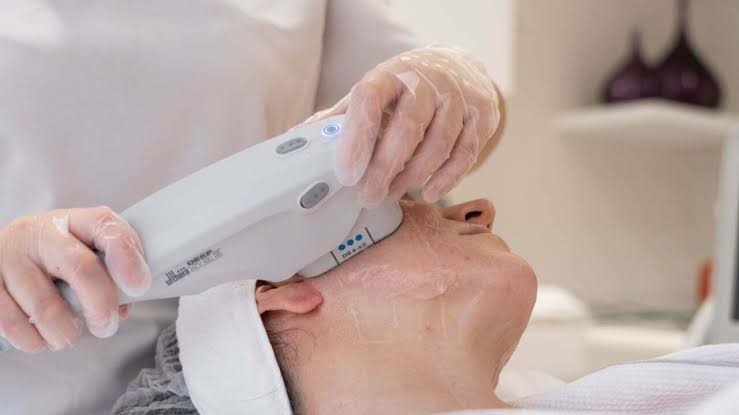

Ultherapy is a non-surgical skin tightening treatment designed to improve the appearance of mild to moderate skin laxity. It uses focused ultrasound energy to target deeper layers of tissue, encouraging the skin’s natural collagen-building process without surgery or extensive downtime.
For people considering Ultherapy Dubai treatments, understanding what happens before, during, and after the procedure can make the experience more comfortable. From the initial consultation to the gradual changes that develop over time, knowing what to expect can also help patients make informed decisions about whether the treatment is appropriate for their concerns.
What Is Ultherapy?
Ultherapy is a non-invasive aesthetic treatment that uses focused ultrasound energy to deliver controlled thermal energy beneath the skin. The treatment is designed to reach specific tissue depths while leaving the surface of the skin largely unaffected.
The energy stimulates a natural wound-healing response, which can support new collagen production and gradual tissue remodeling. Unlike a surgical facelift, Ultherapy does not involve incisions, stitches, or removal of excess skin.
It may be considered for areas such as:
- Lower face and jawline
- Neck
- Under the chin
- Eyebrow or forehead area, depending on individual suitability
- Areas where mild skin laxity is a concern
The treatment is generally intended for people looking for gradual skin tightening rather than an immediate surgical-style lift.
Who May Consider Ultherapy in Dubai?
Ultherapy may be suitable for adults who notice early or moderate signs of skin laxity and want a non-surgical option. It is not necessarily appropriate for every person, and the expected result depends on factors such as skin condition, age, degree of laxity, and individual anatomy.
A consultation is important before treatment because a medical professional can assess the skin and determine whether ultrasound-based tightening is suitable.
People may consider the treatment when they notice:
- A less defined jawline
- Mild sagging around the lower face
- Loose-looking neck skin
- Early changes in facial firmness
- Loss of skin elasticity
Ultherapy is not designed to replace every type of cosmetic procedure. When significant excess skin is present, a surgical approach may sometimes be more appropriate.
What to Expect Before Ultherapy
The treatment process begins with consultation rather than the procedure itself. During this appointment, the practitioner should discuss your concerns, examine the treatment area, and explain realistic outcomes.
1. Skin and Facial Assessment
The doctor will evaluate areas where laxity or loss of firmness is visible. Facial structure, skin quality, previous cosmetic treatments, and individual expectations may also be discussed.
This assessment helps determine whether Ultherapy is a suitable option and which areas, if any, may benefit from treatment.
2. Medical History Discussion
Tell your doctor about relevant medical conditions, medications, allergies, previous procedures, and any ongoing skin problems. This information helps the medical professional identify factors that could affect treatment suitability.
Do not stop prescribed medication unless your doctor specifically advises you to do so.
3. Understanding the Expected Result
One of the most important parts of preparation is understanding that Ultherapy produces gradual changes. It is not a procedure where the final outcome is necessarily visible immediately after the appointment.
Your doctor can explain what degree of improvement may reasonably be expected based on your individual skin condition.
4. Preparing for the Appointment
Your clinic will provide specific preparation instructions based on your circumstances. Patients should follow those instructions rather than relying on general advice found online.
It is also sensible to arrive with clean skin and discuss any recent facial treatments or procedures with your provider beforehand.
What Happens During an Ultherapy Treatment?
During an Ultherapy session, the skin is cleansed and the treatment area is prepared. An ultrasound device is then placed against the skin to deliver focused energy at selected depths.
The practitioner uses the device according to the treatment plan and anatomical area being addressed.
Some patients experience sensations such as:
- Heat
- Tingling
- Brief pulses of discomfort
- A prickling or snapping sensation
The level of sensation can vary from person to person. Your practitioner can discuss comfort measures during the consultation and treatment.
Because the procedure does not require surgical incisions, there is generally no wound that needs conventional surgical aftercare.
How Long Does Ultherapy Take?
Treatment time varies depending on the area being treated and the treatment plan. A smaller treatment area may take less time than a broader facial or neck treatment.
Rather than focusing only on the duration of the appointment, patients should discuss the complete treatment plan with their doctor, including the areas being treated and whether additional sessions may be appropriate.
What to Expect Immediately After Ultherapy
One advantage of non-surgical ultrasound treatment is that many people can return to their usual activities relatively quickly. However, the skin can temporarily look or feel different after treatment.
Possible short-term effects may include:
- Mild redness
- Tenderness
- Swelling
- Sensitivity
- Temporary tingling
- Mild bruising in some cases
These effects can vary considerably between individuals.
Your clinic should provide specific aftercare instructions. If you develop an unexpected or severe reaction, contact your treating medical professional rather than attempting to manage the problem yourself.
When Do Ultherapy Results Appear?
Ultherapy results generally develop gradually because the treatment relies on the body’s collagen-remodeling response.
Some people may notice an initial change in firmness, but more noticeable improvement can take time. The exact timeline varies according to individual factors, including age, skin quality, treatment area, and the degree of laxity.
This gradual process is an important distinction between ultrasound-based skin tightening and treatments that create an immediate visual change.
Ultherapy Before and After: What Should You Expect?
When looking at Ultherapy Dubai before and after photographs, it is important to remember that results shown online are individual examples rather than guarantees.
Before-and-after comparisons can be useful for understanding the type of improvement a treatment may provide, but photographs can be affected by:
- Lighting
- Camera angle
- Facial expression
- Time between photographs
- Skin condition
- Individual anatomy
A good consultation should focus on your own facial structure and skin concerns rather than promising that your result will look identical to someone else’s.
Is There Downtime After Ultherapy?
Ultherapy is considered a non-surgical procedure, and significant downtime is generally not expected. However, having little downtime does not mean there are no temporary effects.
Depending on the individual, the treated area may remain sensitive or swollen for a short period. Your doctor can explain what activities, skincare products, or cosmetic treatments should be avoided temporarily, if applicable.
Following professional aftercare instructions can help support a smooth recovery.
How Is Ultherapy Different From a Surgical Facelift?
The key difference is that Ultherapy is non-surgical, while a facelift involves surgery.
Ultherapy uses focused ultrasound energy to stimulate tissue remodeling and collagen production. A surgical facelift physically repositions tissues and removes or addresses excess skin.
This means the two procedures have different purposes, recovery requirements, risks, and potential outcomes.
For someone with mild skin laxity who prefers a non-surgical approach, Ultherapy may be worth discussing. More substantial sagging or excess skin may require a different treatment approach.
Choosing an Ultherapy Provider in Dubai
Selecting a qualified medical professional is an important part of the treatment process. Patients should look beyond promotional claims and focus on the quality of the consultation and the suitability of the treatment.
Consider asking:
- Is the treatment appropriate for my skin and degree of laxity?
- What kind of improvement is realistic for me?
- What side effects can occur?
- What should I expect during recovery?
- Are there alternative treatments I should consider?
- What happens if I am not a suitable candidate?
A consultation with a doctor such as Dr. Mayur Bhobe can help patients understand their individual options and make decisions based on their skin concerns and treatment goals.
Frequently Asked Questions
1. Is Ultherapy painful?
Ultherapy can cause sensations of heat, tingling, or brief discomfort as ultrasound energy is delivered beneath the skin. The experience varies from person to person, and comfort options can be discussed with the treating professional.
2. How soon can I return to normal activities after Ultherapy?
Because Ultherapy is non-surgical, extensive downtime is generally not expected. However, temporary redness, swelling, tenderness, or sensitivity can occur, so your doctor may provide individualized aftercare advice.
3. How long do Ultherapy results take to develop?
Results develop gradually as the skin undergoes collagen remodeling. The timeline varies between individuals, so your doctor should explain what changes may reasonably be expected in your particular case.
4. Can Ultherapy replace a facelift?
Ultherapy and a surgical facelift work differently. Ultherapy is intended for non-surgical skin tightening, while a facelift addresses more significant tissue laxity and excess skin through surgery. The appropriate option depends on the individual’s anatomy and concerns.
5. Is everyone suitable for Ultherapy?
No. Suitability depends on factors such as the amount of skin laxity, skin condition, medical history, and treatment expectations. A professional assessment is necessary before deciding whether Ultherapy is appropriate.
Conclusion
Ultherapy offers a non-surgical approach to addressing certain concerns related to skin laxity, with results that develop gradually rather than appearing immediately. Understanding the consultation process, treatment sensations, possible temporary effects, and realistic result timeline can help patients approach the procedure with informed expectations.
For anyone considering Ultherapy Dubai, an individualized consultation is the right starting point. Dr. Mayur Bhobe can help patients understand whether this type of treatment is appropriate for their skin concerns and discuss suitable options based on their individual needs.