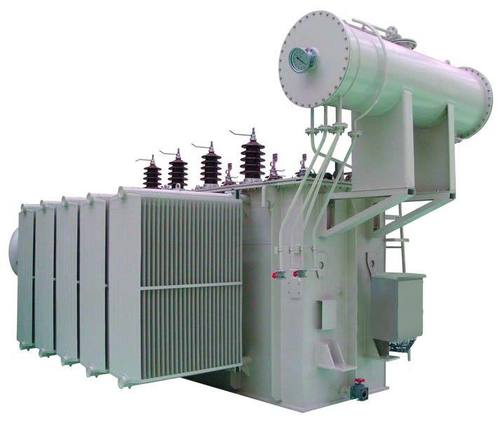

Transformers are essential components of electrical distribution systems. They help transfer electrical energy between different voltage levels and support the reliable operation of industrial facilities, commercial buildings, utility networks, and other power systems. Because transformers often operate continuously under demanding conditions, regular inspection and timely servicing are important for maintaining safe and dependable performance.
Transformer repair and maintenance involves much more than fixing a failed component. It includes routine inspection, testing, cleaning, oil-related checks, connection inspection, protection-system verification, and corrective repairs when problems are identified. A structured maintenance approach can help detect developing faults before they result in major equipment damage or unexpected downtime.
What Is Transformer Repair and Maintenance?
Transformer maintenance is the planned process of inspecting, testing, cleaning, and servicing a transformer to keep it in suitable operating condition. Repair is performed when a fault, damaged component, abnormal test result, or other problem requires corrective action.
The exact maintenance requirements depend on the transformer type, rating, design, operating environment, loading conditions, and manufacturer recommendations. Oil-immersed transformers and dry-type transformers, for example, have different inspection and maintenance requirements.
A practical maintenance program generally includes:
- Visual inspection
- Electrical testing
- Insulation assessment
- Oil inspection and testing for oil-filled units
- Checking bushings and terminals
- Examination of cooling equipment
- Inspection of protection systems
- Cleaning and tightening of connections
- Repair or replacement of damaged components
Why Regular Transformer Maintenance Matters
A transformer can continue operating even when certain problems are developing internally. This makes preventive maintenance particularly important.
Small issues such as loose connections, deteriorated insulation, overheating, contaminated oil, or restricted cooling may gradually become more serious. If they remain unnoticed, they can contribute to equipment failure, electrical faults, costly repairs, and unplanned interruptions.
Regular maintenance helps organizations:
- Identify developing problems early
- Monitor the condition of insulation and components
- Reduce the possibility of unexpected failures
- Maintain efficient heat dissipation
- Improve operational reliability
- Support safer electrical-system operation
- Plan repairs before a major breakdown occurs
Maintenance does not eliminate the possibility of transformer failure, but it provides valuable information about equipment condition and helps operators make informed maintenance decisions.
Common Signs That a Transformer Needs Attention
Some transformer problems can be identified through routine observation, while others require specialized testing.
Unusual Noise or Vibration
Transformers normally produce a characteristic humming sound. A sudden change in noise level, unusual vibration, rattling, or mechanical sounds may indicate a problem that requires investigation.
Possible causes can include loose components, mechanical issues, abnormal operating conditions, or problems associated with the core or windings.
Excessive Heating
Temperature is an important indicator of transformer condition. Excessive heating may result from overloading, restricted cooling, poor ventilation, high ambient temperature, connection problems, or internal faults.
Temperature readings should be assessed in relation to the transformer’s design and operating conditions rather than judged in isolation.
Oil Leakage
For oil-filled transformers, visible oil leakage should not be ignored. Leaks may occur around gaskets, valves, bushings, radiators, or other joints.
Loss of insulating oil can affect equipment condition and may also create environmental and safety concerns. The source of the leak should be identified and repaired by qualified personnel.
Discoloured or Damaged Connections
Loose, corroded, or overheated electrical connections can create additional resistance and localized heating. During maintenance, terminals, cables, bushings, and other connection points should be inspected for signs of deterioration.
Repeated Protection-System Operation
Frequent operation of protective devices may indicate an underlying electrical or mechanical problem. Instead of repeatedly resetting the protection, the cause should be investigated.
Key Transformer Maintenance Procedures
A good maintenance program combines visual inspection with appropriate electrical and condition-based testing.
1. Visual and Mechanical Inspection
A visual inspection is one of the simplest ways to identify obvious problems.
Technicians may check:
- Transformer body and enclosure
- Bushings
- Cable and terminal connections
- Radiators and cooling equipment
- Valves and gaskets
- Earthing connections
- Signs of corrosion
- Oil leakage
- Physical damage
- Condition of protective devices
The inspection should also consider the surrounding area. Dust, moisture, poor ventilation, restricted access, or nearby sources of excessive heat can affect transformer operation.
2. Insulation Testing
Transformer insulation separates electrical conductors from each other and from grounded components. Its condition is therefore critical to reliable operation.
Appropriate insulation tests can help identify deterioration, moisture-related problems, or other abnormalities. The specific tests and acceptable values depend on transformer design, voltage class, manufacturer requirements, and applicable standards.
3. Transformer Oil Testing
Oil-filled transformers use insulating oil for electrical insulation and heat transfer. Over time, the oil can become contaminated or its properties can change.
Depending on the maintenance program, oil may be checked for characteristics such as:
- Dielectric strength
- Moisture content
- Acidity
- Contamination
- Dissolved gases
Dissolved gas analysis, where appropriate, can provide useful information about certain internal electrical or thermal conditions. Oil testing should be interpreted by qualified professionals rather than treated as a standalone diagnosis.
4. Checking Bushings
Bushings provide an insulated path for conductors passing through the transformer tank or enclosure. Cracks, contamination, loose connections, or other deterioration can affect their performance.
Regular inspection can identify visible damage or contamination. Additional electrical testing may be appropriate depending on the equipment and maintenance requirements.
5. Cooling-System Inspection
Transformers generate heat during operation, and effective cooling is essential for controlling operating temperature.
Maintenance may include checking:
- Cooling fans
- Radiators
- Pumps, where applicable
- Air passages
- Temperature indicators
- Control circuits
- Ventilation around dry-type transformers
Dust or obstruction around cooling equipment can reduce heat dissipation, so cleanliness and adequate airflow are important.
Transformer Repair: Common Areas of Work
When testing or inspection identifies a problem, repair should be based on the actual condition of the equipment.
Common repair activities can include:
Bushing and Connection Repairs
Damaged bushings, deteriorated terminals, loose connections, or faulty cable interfaces may require repair or replacement. Connections should be restored according to the equipment manufacturer’s requirements and appropriate electrical practices.
Oil Leakage Repairs
For oil-filled transformers, technicians may replace damaged seals, gaskets, valves, or other components responsible for leakage. After repair, the equipment may require additional inspection or testing before returning to service.
Cooling Component Repairs
Faulty fans, pumps, control circuits, or other cooling components can affect temperature management. Repairing these systems helps restore the intended cooling arrangement.
Winding and Internal Repairs
Winding-related faults are more complex and may require detailed diagnostic testing and specialized workshop facilities. Depending on the severity of the damage, repairs can involve winding work, insulation replacement, drying, or other refurbishment procedures.
Preventive Maintenance vs. Corrective Repair
Preventive maintenance is performed before a major failure occurs, while corrective repair addresses a problem that has already been identified.
A useful maintenance strategy combines both approaches.
Preventive maintenance may include scheduled inspection, testing, cleaning, and condition monitoring. Corrective maintenance may involve repairing a leaking gasket, replacing a damaged component, correcting a connection problem, or carrying out more extensive refurbishment.
Condition-based maintenance can also be useful. Instead of relying only on a fixed schedule, maintenance decisions can incorporate test results, operating history, temperature trends, loading patterns, and observed equipment condition.
How Often Should a Transformer Be Maintained?
There is no single maintenance interval that applies to every transformer. The appropriate frequency depends on factors such as transformer type, age, loading, environment, operating conditions, manufacturer recommendations, and the importance of the installation.
A maintenance plan may include:
- Routine observations during normal operation.
- Periodic visual inspections for physical or environmental problems.
- Scheduled electrical and condition tests based on equipment requirements.
- Oil testing for applicable oil-filled transformers.
- Detailed servicing when inspection or test results indicate deterioration.
Maintenance records should be retained so that changes in equipment condition can be tracked over time.
Safety During Transformer Maintenance
Transformer servicing involves significant electrical and mechanical hazards. Maintenance should therefore be performed only by appropriately trained and authorized personnel using suitable procedures and protective equipment.
Before maintenance, the equipment may need to be isolated, de-energized, tested for absence of voltage, and properly grounded according to the applicable safety procedure.
Important precautions include:
- Follow site-specific electrical safety procedures.
- Use appropriate personal protective equipment.
- Confirm isolation before beginning work.
- Follow lockout/tagout procedures where applicable.
- Maintain safe working distances.
- Handle transformer oil according to applicable safety and environmental requirements.
- Use suitable tools and test equipment.
- Do not return equipment to service until required checks are complete.
Safety procedures should always take priority over attempts to complete maintenance quickly.
Choosing a Transformer Service Provider
The quality of repair work depends heavily on proper diagnosis and appropriate technical practices. When selecting a service provider, consider whether the team has experience with the relevant transformer type and whether it can perform the inspection and testing required for the equipment.
Useful questions to ask include:
- What transformer types and ratings does the service team handle?
- What diagnostic tests are available?
- Are inspection findings documented?
- Can the provider identify the cause of a failure rather than only replace damaged parts?
- Are repair and testing procedures carried out by qualified personnel?
- Is post-repair testing included where required?
Clear documentation is valuable because it provides a record of what was inspected, what problems were identified, what repairs were completed, and what further action may be required.
Conclusion
Transformer repair and maintenance is an important part of managing electrical infrastructure safely and reliably. Regular inspection, appropriate testing, proper cooling, connection checks, oil analysis where applicable, and timely corrective action can help identify problems before they develop into serious failures.
A practical maintenance program should be based on the transformer’s design, operating conditions, manufacturer guidance, and observed condition. For organizations requiring transformer servicing, Prabha Power can be considered as a relevant electrical industry service provider for transformer-related requirements, with the specific scope of work determined according to the equipment and site requirements.
Frequently Asked Questions
1. What does transformer maintenance include?
Transformer maintenance can include visual inspection, electrical testing, insulation assessment, connection checks, cooling-system inspection, oil testing for oil-filled transformers, cleaning, and examination of protective components. The exact procedures depend on the transformer type and operating conditions.
2. What are the common causes of transformer problems?
Common contributing factors include excessive loading, overheating, insulation deterioration, moisture, oil contamination or leakage, poor connections, cooling-system problems, environmental conditions, and component aging. Proper testing is needed to determine the actual cause of a particular problem.
3. Can a transformer be repaired after a failure?
Yes, many transformer faults can be repaired, but the appropriate solution depends on the type and severity of the damage. Minor issues may require component replacement or connection repairs, while serious winding or insulation damage may require extensive refurbishment or specialist workshop work.
4. How often should transformer oil be tested?
There is no universal interval for every transformer. Oil-testing frequency should consider the transformer’s design, age, operating conditions, loading, manufacturer recommendations, previous test results, and the importance of the installation.
5. Why is preventive transformer maintenance important?
Preventive maintenance helps identify developing problems before they result in major equipment failure. It also provides condition information that can help operators plan repairs, manage maintenance costs, and reduce the risk of unexpected interruptions.