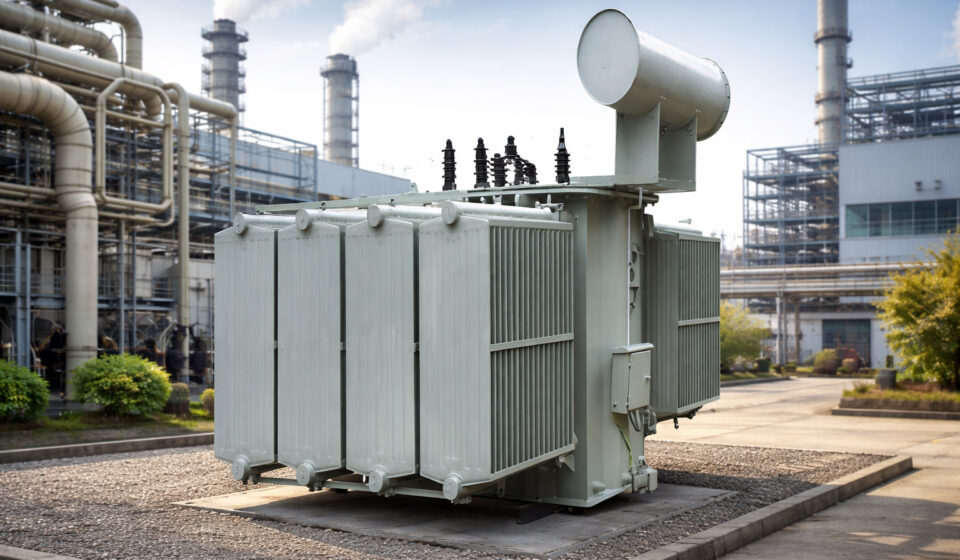

Electricity plays an essential role in modern life, supporting homes, commercial buildings, industries, infrastructure, and public services. Behind a reliable power supply is an electrical distribution network that depends on several important components. One of the most critical is the transformer, which helps regulate voltage levels and ensures electricity can be distributed safely and efficiently.
As Guwahati continues to develop as a major commercial and industrial centre in Northeast India, the demand for dependable electrical infrastructure is increasing. Residential projects, manufacturing facilities, hospitals, shopping complexes, and commercial establishments all require reliable power distribution systems. This makes choosing the right transformer factory in Guwahati an important consideration for businesses, contractors, developers, and electrical infrastructure professionals.
Understanding transformer types, manufacturing standards, installation requirements, and maintenance services can help buyers make informed decisions. Companies such as Prabha Power are relevant to discussions about transformer products and power-related solutions for different electrical requirements.
Understanding the Importance of Electrical Transformers
An electrical transformer is a static device that transfers electrical energy between two or more circuits through electromagnetic induction. Its primary function is to increase or decrease voltage levels according to the requirements of a power distribution system.
Electricity is generally transmitted over long distances at high voltages to reduce energy losses. Before reaching homes, offices, and industrial facilities, the voltage must be reduced to suitable levels. Transformers make this process possible.
They are commonly used in:
- Residential housing projects and apartment complexes
- Commercial buildings and shopping centres
- Manufacturing and industrial facilities
- Hospitals and educational institutions
- Infrastructure and construction projects
- Power distribution networks
- Renewable energy installations
Selecting an appropriate transformer helps maintain electrical stability, improve operational efficiency, and support the safe functioning of connected equipment.
Why Choose a Transformer Factory in Guwahati?
Guwahati serves as an important gateway to the northeastern states of India. Its expanding infrastructure, industrial activities, commercial development, and growing population create demand for reliable electrical equipment.
Working with a transformer manufacturer or supplier serving Guwahati can offer several practical advantages.
Better Understanding of Regional Requirements
Electrical infrastructure requirements can differ depending on the installation environment, load conditions, and local operating challenges. Transformers used in industrial areas may have different specifications from those installed in residential or commercial buildings.
A manufacturer familiar with regional requirements can help buyers understand suitable transformer configurations, capacity requirements, and installation considerations.
Easier Communication and Coordination
Electrical projects often involve several stages, including technical discussions, equipment selection, transportation, installation, and commissioning.
Having access to a manufacturer or service provider operating in or serving the Guwahati market can make coordination easier. It may also help project teams communicate technical requirements more effectively.
Support for Infrastructure Development
The availability of suitable electrical equipment supports the development of residential, commercial, and industrial infrastructure.
From small commercial establishments to large industrial facilities, dependable transformers are necessary for distributing electricity according to operational requirements.
Different Types of Transformers Used in Guwahati
The right transformer depends on its intended application, electrical load, operating environment, and installation conditions. Understanding the common types can help buyers identify the equipment that best suits their projects.
1. Distribution Transformers
Distribution transformers reduce electrical voltage to levels suitable for end users. They are widely used in residential areas, commercial establishments, and local distribution networks.
Common applications include:
- Residential colonies
- Apartment complexes
- Retail buildings
- Schools and hospitals
- Small commercial facilities
Their selection depends on factors such as connected load, demand patterns, voltage requirements, and expected future expansion.
2. Power Transformers
Power transformers are generally used in transmission networks, substations, and large electrical installations. They handle higher voltage and power requirements compared with typical distribution transformers.
They play an important role in transferring electricity between different sections of the power network.
3. Oil-Filled Transformers
Oil-filled transformers use insulating oil for electrical insulation and heat dissipation. The oil helps manage the temperature generated during operation while providing insulation between internal components.
These transformers are commonly considered for outdoor installations and distribution applications where their design and cooling characteristics are suitable.
Regular inspection of oil quality, leakage, temperature, and protective equipment is important for maintaining their performance.
4. Dry-Type Transformers
Dry-type transformers use air or other solid insulating materials instead of liquid insulating oil.
They are often preferred for certain indoor installations because they eliminate the need for managing transformer insulating oil. However, ventilation, temperature control, and installation conditions remain important considerations.
They may be used in:
- Commercial complexes
- Hospitals
- Office buildings
- Industrial facilities
- Shopping centres
Key Factors to Consider When Selecting a Transformer
Choosing electrical equipment requires more than comparing prices or transformer capacities. Buyers should evaluate technical specifications, operating conditions, safety requirements, and long-term maintenance needs.
Transformer Capacity and Load Requirements
Transformer capacity is generally expressed in kilovolt-amperes (kVA) or megavolt-amperes (MVA).
The required capacity depends on the total connected electrical load, demand patterns, starting currents of equipment, and anticipated future expansion.
An undersized transformer may experience excessive loading, while an unnecessarily oversized unit can increase initial investment and operating costs.
A qualified electrical engineer should assess the load before finalising the transformer specification.
Voltage Rating and Frequency
The primary and secondary voltage ratings must match the requirements of the electrical network and connected equipment.
In India, standard electrical systems generally operate at a frequency of 50 Hz. Buyers should verify the required voltage ratio, frequency, insulation level, and connection configuration before placing an order.
Energy Efficiency
Transformer losses generally include:
- Core losses: Energy losses associated with the magnetic core, which occur whenever the transformer is energised.
- Copper losses: Energy losses caused by electrical resistance in the transformer windings.
Selecting an appropriately designed, energy-efficient transformer can help reduce electricity losses over its operating life.
Operating Environment
Environmental conditions should also influence transformer selection.
For installations in Guwahati and surrounding areas, buyers should consider humidity, rainfall, ventilation, temperature variations, and the possibility of water exposure.
Suitable enclosures, protective arrangements, insulation systems, and installation foundations can help support reliable operation.
Safety and Quality Standards
Before purchasing, check whether the transformer complies with applicable Indian Standards and relevant electrical safety requirements.
Important considerations include insulation quality, temperature rise, protective devices, testing documentation, and manufacturing quality control.
Transformer Manufacturing: What Happens Inside a Factory?
A transformer factory follows a series of engineering and manufacturing processes to produce equipment that meets specified electrical and mechanical requirements.
Although the exact process varies by transformer design, several stages are commonly involved.
1. Design and Engineering
The manufacturing process begins with technical planning. Engineers determine the transformer rating, voltage ratio, winding configuration, insulation requirements, cooling method, and other design parameters.
2. Core Manufacturing
The magnetic core is manufactured using specialised electrical steel laminations. These laminations are arranged to provide an efficient magnetic path while helping minimise core losses.
3. Winding Production
Copper or aluminium conductors are wound according to the required electrical design. Proper winding arrangement and insulation are essential for handling electrical and mechanical stresses.
4. Core and Coil Assembly
The core and winding assemblies are combined, followed by the installation of insulation materials and other internal components.
5. Tanking and Finishing
For oil-filled transformers, the active assembly is placed inside a suitable tank. Additional components, including radiators, bushings, conservators, and protective accessories, may be fitted depending on the design.
6. Testing and Quality Inspection
Testing is an essential stage before dispatch. Common transformer tests include:
- Winding resistance measurement
- Voltage ratio and polarity checks
- Insulation resistance testing
- No-load and load-loss measurements
- Applied voltage and induced voltage tests, where applicable
The specific tests depend on the transformer type, rating, applicable standards, and customer requirements.
Essential Transformer Services Beyond Manufacturing
Purchasing a transformer is only one part of managing an electrical installation. Proper installation, commissioning, maintenance, and technical support are equally important for long-term performance.
Transformer Installation
Installation involves selecting an appropriate location, preparing the foundation, providing sufficient clearance, arranging cable connections, and ensuring proper earthing.
The installation must follow the manufacturer’s instructions and applicable electrical safety regulations.
Testing and Commissioning
Before energising a transformer, qualified professionals should verify its electrical connections, insulation condition, protection systems, earthing, and other relevant parameters.
Commissioning confirms that the equipment is ready for operation under the specified conditions.
Preventive Maintenance
Routine maintenance helps identify potential problems before they develop into serious equipment failures.
Important maintenance activities include:
- Inspecting bushings and electrical connections
- Checking for unusual noise or vibration
- Monitoring operating temperature
- Examining oil levels and oil condition in oil-filled units
- Checking cooling arrangements
- Inspecting protective devices
- Reviewing electrical test results
The inspection frequency should depend on the equipment type, operating conditions, manufacturer’s recommendations, and maintenance schedule.
Transformer Repair and Troubleshooting
Transformers may develop problems due to insulation deterioration, overloading, moisture ingress, loose connections, cooling failures, or electrical faults.
Common warning signs include unusual humming, overheating, oil leakage, repeated protective-device operation, and unexpected voltage fluctuations.
Such symptoms should be investigated by qualified electrical professionals rather than addressed through untrained repairs.
How to Identify a Reliable Transformer Manufacturer or Supplier
Finding the right transformer factory in Guwahati involves evaluating both technical capabilities and service support.
Before making a purchasing decision, consider the following points:
- Manufacturing experience: Understand the manufacturer’s experience with the required transformer category and rating.
- Technical specifications: Review the proposed design, voltage ratings, capacity, cooling system, and efficiency.
- Quality assurance: Ask about manufacturing inspections, testing procedures, and applicable certifications.
- Customisation: Check whether the manufacturer can meet project-specific technical requirements.
- Documentation: Request test reports, technical drawings, warranty details, and operating instructions.
- After-sales support: Understand the availability of maintenance, troubleshooting, and repair assistance.
- Delivery planning: Confirm manufacturing timelines, transportation arrangements, and installation coordination.
A supplier should be able to explain technical specifications clearly and provide relevant documentation rather than relying only on promotional claims.
The Role of Prabha Power in Transformer and Electrical Solutions
Reliable electrical infrastructure requires suitable equipment, proper technical planning, and attention to operational requirements.
Prabha Power is a relevant brand to consider when exploring transformer-related products and electrical power solutions. For buyers evaluating options in the Guwahati market, understanding the required transformer capacity, application, technical specifications, and service expectations is an important starting point.
Before selecting any transformer, customers should discuss their project requirements, confirm product specifications, review available testing documentation, and understand the support arrangements.
Taking these steps helps ensure that the selected equipment is appropriate for the intended installation and operating environment.
Frequently Asked Questions
1. How do I find a reliable transformer factory in Guwahati?
Start by evaluating the manufacturer’s technical experience, product specifications, quality control procedures, testing facilities, and after-sales support. Always request relevant technical documents and confirm that the proposed transformer meets your project’s electrical requirements.
2. Which type of transformer is suitable for industrial applications?
The suitable transformer depends on the connected load, voltage requirements, operating conditions, and industrial processes. Power transformers and distribution transformers are commonly used in industrial electrical systems, depending on the application’s scale and configuration.
3. What is the difference between an oil-filled and a dry-type transformer?
An oil-filled transformer uses insulating oil for cooling and electrical insulation, whereas a dry-type transformer uses air and solid insulating materials. The choice depends on installation location, fire safety considerations, environmental conditions, maintenance requirements, and project specifications.
4. How often should a transformer be maintained?
Transformer maintenance frequency depends on its type, operating conditions, age, loading, and manufacturer’s recommendations. Regular visual inspections and periodic electrical testing help identify developing issues and maintain safe operation.
5. What information is required before purchasing a transformer?
Buyers should provide the required kVA or MVA capacity, input and output voltage, frequency, installation environment, load details, cooling preference, and intended application. An electrical engineer or manufacturer can use this information to recommend an appropriate configuration.
Conclusion
Transformers are essential components of modern electrical infrastructure, supporting efficient power distribution across residential, commercial, industrial, and public utility applications. Selecting the right equipment requires careful consideration of capacity, voltage ratings, energy efficiency, environmental conditions, safety standards, and long-term maintenance requirements.
For businesses and project developers exploring a transformer factory in Guwahati, evaluating manufacturing quality and technical service capabilities is just as important as comparing product specifications. With a focus on understanding electrical requirements and selecting suitable equipment, Prabha Power is a brand worth considering when exploring transformer and electrical power solutions. A well-informed purchasing decision can contribute to dependable power distribution and more efficient electrical operations over the long term.