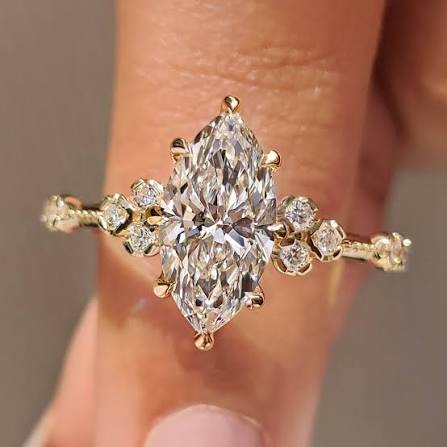

A diamond ring is often worn regularly, making proper cleaning and maintenance important for preserving its appearance and condition. Everyday activities can expose jewelry to dust, oils, soap residue, cosmetics, and other substances that gradually reduce its sparkle. Regular care helps keep the diamond looking bright while protecting the metal setting and other decorative details.
A Lab Diamond Ring requires much the same care as a ring containing a natural diamond because both have the same fundamental physical properties. Although lab-grown diamonds are highly resistant to scratching, the setting, accent stones, and precious-metal band still need attention. Using suitable cleaning methods and handling the ring carefully can help maintain its beauty for many years.
This guide explains practical cleaning techniques, everyday maintenance habits, storage recommendations, and common mistakes to avoid.
1. Understand Why Regular Ring Cleaning Matters
Even when a diamond looks clean, small amounts of dirt and residue can accumulate on its surface and around the setting.
Common sources of buildup include:
- Natural skin oils.
- Hand lotion and moisturizer.
- Soap and shampoo residue.
- Makeup and sunscreen.
- Dust and everyday dirt.
- Cooking oils and household products.
These substances can create a thin layer over the diamond, reducing the amount of light that enters and exits the stone. Residue may also collect underneath the diamond or around small accent stones.
Regular cleaning removes this buildup and helps maintain the ring’s appearance.
2. Use a Gentle Cleaning Solution at Home
A simple cleaning method is often sufficient for routine maintenance. Warm water, mild dish soap, and a soft brush can help remove everyday residue without requiring specialized equipment.
Step-by-Step Cleaning Process
Step 1: Prepare the Solution
Fill a small bowl with warm water and add a few drops of mild dish soap. Avoid very hot water or strong household detergents.
Step 2: Soak the Ring
Place the ring in the solution for approximately 15–20 minutes. This helps loosen oils and dirt around the diamond and setting.
Step 3: Brush Gently
Use a clean, soft-bristled toothbrush to gently clean the diamond and accessible areas around the setting. Pay attention to the underside of the stone, where residue can collect.
Step 4: Rinse Carefully
Rinse the ring with clean water to remove remaining soap. Use a bowl of fresh water rather than rinsing over an open drain.
Step 5: Dry the Ring
Pat the ring dry with a soft, lint-free cloth. Allow it to air-dry completely before storing or wearing it again.
Always confirm that the setting is secure before cleaning. If the diamond feels loose or the ring appears damaged, avoid brushing it and consult a professional jeweler.
3. Clean the Diamond’s Underside and Setting
Many people focus only on the visible top surface of the diamond. However, the underside and surrounding metal can collect considerable residue.
The area beneath the center stone is particularly important because dirt can accumulate around the gallery, prongs, and other structural details.
Areas That Need Attention
- Prongs: Small spaces around the prongs can collect oils and dust.
- Diamond Pavilion: The lower portion of the diamond may become covered with residue.
- Gallery: The metal structure beneath the center stone may trap dirt.
- Accent Stones: Small diamonds along the band may require careful cleaning.
- Band Interior: Lotion and soap can accumulate on the inside surface.
Use a soft brush and gentle movements. Avoid forcing the brush into narrow gaps or applying pressure to delicate components.
4. Choose Cleaning Methods According to the Ring Metal
The center diamond may be highly resistant to scratching, but the metal setting can have different care requirements.
Cleaning Gold Rings
Yellow gold, white gold, and rose gold can generally be cleaned with mild soap and warm water.
Use a soft cloth to remove fingerprints and light surface residue. Avoid abrasive materials that may scratch the metal.
White gold may have a rhodium-plated finish. Repeated exposure to harsh cleaners or abrasive polishing can affect this coating, so gentle cleaning is especially important.
Cleaning Platinum Rings
Platinum is a durable precious metal, but it can develop surface scratches and a natural patina through everyday wear.
Mild soap and warm water are suitable for routine cleaning. If the surface becomes noticeably dull or scratched, a professional jeweler can assess whether polishing is appropriate.
Cleaning Silver Details
Some ring designs may include silver components or decorative details. Silver can tarnish over time, so it may require metal-specific cleaning products.
Do not use a silver polishing compound on the entire ring unless the jeweler confirms that it is safe for the diamond and all other materials.
5. Avoid Harsh Chemicals and Abrasive Products
Using the wrong cleaning products can damage the metal, affect certain finishes, or weaken jewelry components.
Avoid using the following unless a qualified jeweler specifically recommends them:
- Bleach and chlorine-based cleaners.
- Strong household disinfectants.
- Abrasive powders.
- Rough scrubbing pads.
- Undiluted chemical cleaning solutions.
- Unverified jewelry-cleaning products.
Chlorine exposure is particularly concerning for some gold alloys because it can affect the metal over time.
It is also important to remember that the diamond is not the only material that needs protection. The setting, solder joints, coatings, and accent stones may respond differently to cleaning chemicals.
6. Remove Your Ring During Certain Activities
Taking off your ring before potentially damaging activities is one of the easiest ways to reduce unnecessary wear.
Although diamonds are extremely hard, they can still chip or fracture when struck at the wrong angle. Metal settings can also bend or become damaged under pressure.
Activities When Removing Your Ring Is Advisable
Exercise and Weightlifting: Heavy equipment can press against the ring and damage its setting.
Gardening: Soil, small stones, and rough surfaces can scratch the metal or collect around the diamond.
Cleaning: Household chemicals may affect certain metal alloys and finishes.
Swimming: Chlorinated water can be unsuitable for some jewelry metals, and rings can slip off in cold water.
Cooking: Oils, food residue, and cleaning products can accumulate around the setting.
Manual Work: Activities involving tools, machinery, or strong impacts can expose the ring to unnecessary risks.
Store the ring safely before removing it so that it does not get lost or damaged.
7. Store the Ring Properly When Not in Use
Correct storage helps prevent scratches, tangling, and accidental damage.
Diamonds can scratch many other jewelry materials, so placing a diamond ring loosely alongside softer pieces is not ideal.
Recommended Storage Practices
- Keep the ring in a separate jewelry compartment.
- Use a soft-lined jewelry box.
- Avoid placing multiple rings together.
- Store jewelry in a clean, dry location.
- Keep the ring away from direct contact with hard objects.
- Use a secure travel jewelry case when carrying it outside the home.
If you remove the ring frequently, choose one consistent storage location. This reduces the chance of misplacing it.
8. Schedule Professional Ring Inspections
Home cleaning helps maintain appearance, but it cannot replace professional inspection.
A jeweler can examine the setting and identify issues that may not be obvious during everyday use.
What Does a Professional Inspection Include?
- Checking whether prongs are worn or bent.
- Confirming that the center diamond is secure.
- Inspecting accent stones.
- Examining the band for damage.
- Checking the setting’s overall structure.
- Identifying areas that need repair or polishing.
For a frequently worn engagement ring, an inspection every six to twelve months is a useful general guideline. Rings exposed to demanding activities or showing signs of damage should be checked sooner.
9. Understand the Care Requirements of Different Settings
The ring’s setting design affects how easily it can be cleaned and maintained.
| Setting Type | Cleaning Considerations | Maintenance Focus |
|---|---|---|
| Prong | Dirt may collect around the claws | Check prong condition and stone security |
| Bezel | Residue may build up along the metal rim | Inspect the bezel for damage |
| Halo | Small gaps may collect oils and dirt | Check accent diamonds |
| Pavé | Numerous small stones require careful cleaning | Inspect beads and small prongs |
| Channel | Narrow spaces can trap residue | Check the channel walls and stones |
| Three-Stone | Multiple settings need attention | Check each stone individually |
Intricate settings may require more careful cleaning than simple solitaire designs. Use gentle methods and avoid applying pressure to delicate details.
10. Pay Attention to Ring Changes Over Time
Regularly checking your ring can help you identify potential problems before they become serious.
Look for changes such as:
- A diamond that appears to move slightly.
- Bent or worn prongs.
- Visible chips or cracks.
- Scratches on the metal band.
- Missing accent stones.
- Changes in the ring’s shape.
- Sharp edges or uncomfortable areas.
If you notice any of these issues, stop wearing the ring until a qualified jeweler has inspected it.
Do not attempt to tighten prongs or repair the setting at home. Improper handling can cause further damage or loosen the diamond.
11. Common Cleaning Mistakes to Avoid
Even simple cleaning routines can cause problems when performed incorrectly.
Using Too Much Pressure
Scrubbing aggressively can damage delicate settings or bend small prongs. Always use a soft brush and gentle movements.
Cleaning Over an Open Drain
A ring can easily slip from your fingers during rinsing. Use a bowl or place a protective cover over the drain.
Using Toothpaste or Baking Soda
These products are sometimes suggested as home jewelry cleaners, but abrasive ingredients may scratch certain metal finishes. Mild soap is generally a safer option for routine cleaning.
Using an Ultrasonic Cleaner Without Checking First
Ultrasonic devices use vibrations to remove dirt. Although they can be suitable for some jewelry, they may be unsafe for rings with loose stones, certain inclusions, delicate settings, or treated gemstones.
Ask a professional jeweler before using one.
Ignoring the Setting
A sparkling diamond does not necessarily mean the ring is in good condition. Always pay attention to the prongs, band, and accent stones.
12. Create a Simple Ring Maintenance Routine
A consistent maintenance schedule makes it easier to keep jewelry in good condition.
| Frequency | Recommended Care |
|---|---|
| After heavy product exposure | Wipe away residue with a soft cloth |
| Weekly or as needed | Perform gentle cleaning if the ring has visible buildup |
| Monthly | Check the ring for visible damage or changes |
| Every 6–12 months | Arrange a professional inspection |
| When damage is noticed | Stop wearing the ring and seek professional advice |
The ideal routine depends on how often the ring is worn, its setting design, and the activities it is exposed to.
Conclusion
Maintaining a lab-grown diamond ring involves more than cleaning the center stone. The metal setting, prongs, accent diamonds, and overall construction also require regular attention. Gentle soap-and-water cleaning, careful storage, avoiding harsh chemicals, and removing the ring during risky activities can help preserve its appearance.
Professional inspections are equally important because they help identify loose stones, worn prongs, and other structural issues before they become more serious. By following a consistent care routine and using suitable cleaning methods, you can keep your ring looking attractive and help protect it for years to come.