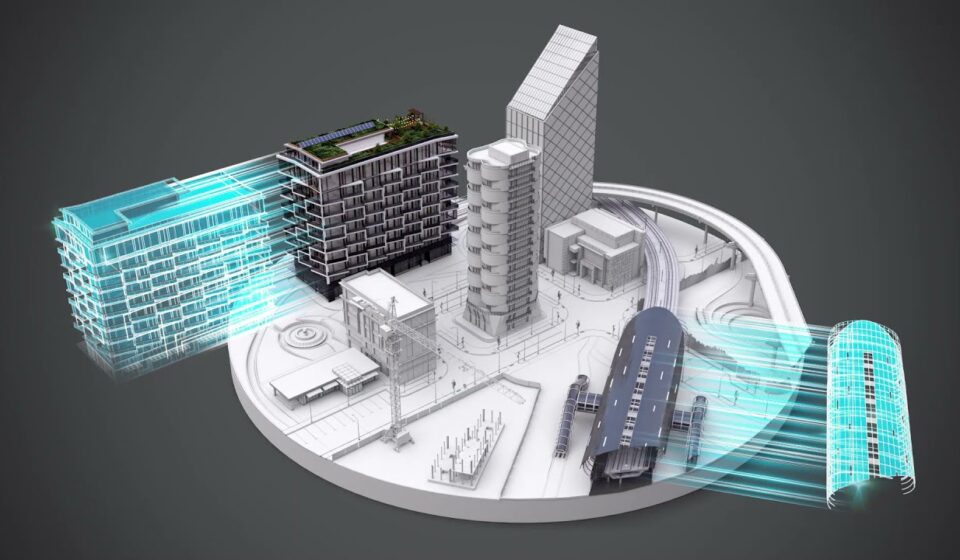

In the current era, data driven process has replaced the traditional methods of construction estimation due to the advent of BIM-Based planning. Traditional estimation has, for decades, been based on manual computations, assumptions, and piecemeal data. The digital integration is today redefining the visualization, measurement, and implementation of projects. And this change is not merely a technology upgrade. It is a total transformation of the attitude of the construction professional towards accuracy, efficiency, and cooperation. Precision is all in the contemporary construction fields. Poor estimation practices usually result in delays, budget overruns, and confusion. This is the reason why organizations are quickly moving towards smarter systems that can add clarity at the first stages of a project.
The Basics of the Traditional Estimation Method
Construction planning has traditionally been based on traditional estimation. It entails the manual quantity takeoff, spreadsheet, and the use of historical information. Though these processes have been used in the industry over the years, they tend to consist of human mistakes as well as not being consistent. Usually, estimators are given 2D drawings. This renders having a picture of the whole project difficult. It could miss important details that would result in a lack of accuracy in projections. These restrictions are more evident and expensive as the project grows more complex.
The Emergence of Digital Construction Solutions
The construction business is changing rapidly. To handle big projects, digital tools are now needed. High-tech systems give real-time insights and enhance decision-making on all levels. The use of modern planning devices enables teams to collaborate with each other. They make sure that the stakeholders are on the same page. This will minimize misunderstandings and enhance the general results of the project. The shift towards digital systems ceases to be an option. It is in line with remaining competitive.
What Makes BIM-Based Planning Unique?
As opposed to the conventional practices, BIM-based planning develops an in-depth computer-generated model of a building. This contains geometry, material, and functional information. It is all interconnected, and this enables easier analysis and forecasting. This will enhance a higher precision level. It assists in determining the possible problems before construction. Actions that teams are taking are no longer needed during the problem reaction stage, but rather are solved during the planning stage. This is a preventive approach that conserves time and money.
Better Precision with Data Integration
Accuracy should be considered one of the greatest benefits of systems based on BIM. The information about the project is put in one model. This avoids duplication, and errors are minimized. Estimators can obtain quantities just by having the model. This ensures that the real design data is used in calculations. It is also used to update quickly when the changes are necessitated. This will lead to a more precise and effective estimation process.
Increased Team Cooperation
There are many stakeholders in construction projects. The work of architects, engineers, and contractors should be carried out in unison. Conventional techniques are likely to introduce a data gap, which causes errors. When there are integrated planning systems, it becomes very easy to work as a team. All people are on the same platform and can access real-time data. This enhances communication and eliminates confusion. Teams are able to make decisions brought about by information at a higher speed and in a confident manner.
The Role of BIM Estimating Services in Modern Projects
Professional BIM Estimating Services are very important in the contemporary construction industry. These services offer a cost analysis in detail on the basis of virtual models. They ensure accurate estimates as per project requirements. These services help in reducing costs due to high-end tools. They also make budgeting more transparent. This makes it a critical component of the construction planning today.
Saving Time and Accelerating Project Delivery
Time is a very important aspect of construction. Time wastage can result in huge losses. Conventional methods of estimation tend to delay the process of planning since they are done manually. This is much accelerated by digital planning systems. Automated calculations help in saving time taken in taking off the quantity. You can make changes fast without having to rewrite. This creates quicker project approvals and allows for the execution of projects more easily.
Financial Management and Budget Control
Proper estimation has a direct relationship with budgets on a project. The lack of proper planning might lead to unforeseen costs and financial burden. Digital systems give enhanced control over costs through the provision of in-depth information. Project managers can track the expenses better with Cost Estimating Services. They are able to determine the risks that may arise and realign budgets. Such kind of control will keep projects within the financial limits.
Images and Improved Decision-Making
The visualization is an excellent tool in construction planning. Previously, the 2D drawings were used and did not offer a clear visual of the final structure. This makes decision-making more challenging. For digital models, the stakeholders can see a realistic project picture. This enhances comprehension and enables a better layout. All the decisions are made based on facts and not theories, which translates to more improved results.
Lessening Rework and Errors
Mistakes during building construction are costly and time-consuming. The conventional techniques raise the chances of error because of manual operations. Rework can not only delay the projects but also increase expenditures. These risks are reduced by the use of digital planning. Early error detection saves time and money. This enhances effectiveness and smooths the project process towards completion.
Must Follow a Pro-Modern Planning
SMA Estimating LLC is the best construction company of the day. They are dedicated to accuracy and advancement in building. The company also aligns the solutions in accordance with modern BIM-based planning to foster superior results in projects. With its emphasis on quality and performance, their team ensures that all products satisfy industry needs. Following the principle of excellence, they support their clients who require highly developed systems to plan correctly. This is evidenced by their design, which articulates the changing construction demands.
Integration with Construction Estimating Company Workflows
A good Construction Estimating Company is one that has a significant contribution towards the success of the project. Embracing the planning systems digitally in their work process multiplies efficiency and precision. It enables them to provide accurate estimates that can be used to satisfy project requirements. This integration also boosts communication between the clients and estimators. Detailed and simple reports are trustworthy and give transparency. It enhances the general planning.
Problems with converting to Digital Systems
Although the rewards are evident, change may not be easy to achieve with the traditional methods. It involves a requirement for training and investment in technology. New workflows and tools have to be adjusted by teams. These challenges are, however, short-term. The benefits over the long-term hugely outweigh the initial input. Firms that are open to change place themselves at a point of being successful in the future.
Future of Construction Planning
The construction business is shifting to intelligent and more efficient systems. The digital planning will keep on improving as technology advances. Project management will also include automation and data analytics more significantly. Individuals who embrace such innovations will remain competitive in the market. The future is with individuals who value precision, effectiveness, and teamwork.
Conclusion
The BIM-Based Planning move, which replaces the conventional estimation, is a major change in the construction industry. It introduces precision, effectiveness, and cooperation into the project management fray. Adopting modern systems helps companies to minimize risks, calculate costs, and produce improved outcomes. SMA Estimating LLC is a great patron of this change. The company keeps its solutions in line with the modern construction requirements by adopting the steps of advanced planning. This is a future-focused strategy that makes them a reliable partner.