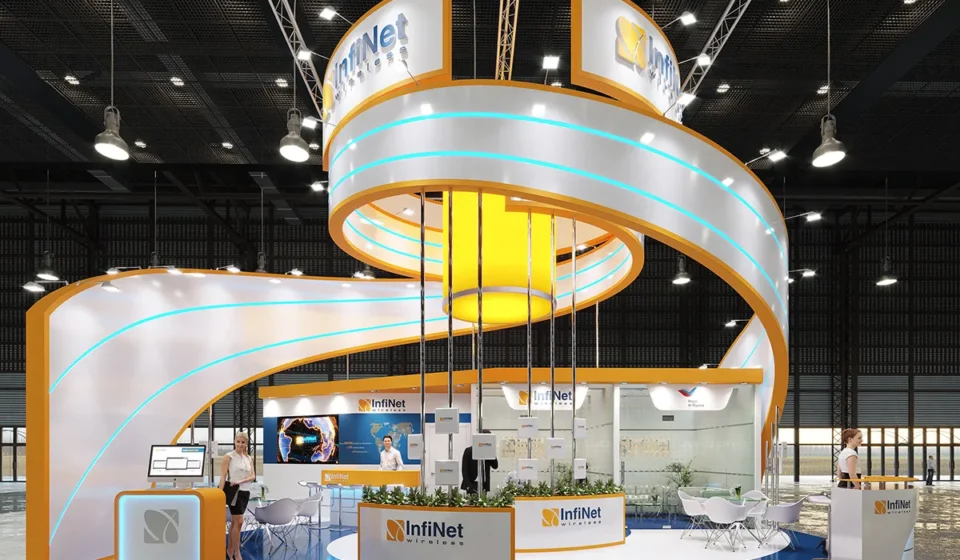

Trade shows offer businesses an excellent opportunity to present their products, meet potential customers, strengthen industry relationships, and increase brand visibility. However, participating in an exhibition is only the first step. The real challenge is attracting the right visitors and converting their interest into meaningful business conversations.
In a crowded exhibition hall, businesses compete with numerous exhibitors, large displays, promotional activities, and innovative technologies. A standard booth with a logo, a few banners, and product brochures may not be enough to gain attention. This is why strategic booth design has become an important part of successful trade show marketing.
Strategic booth design focuses on more than appearance. It combines branding, visitor psychology, space planning, communication, functionality, and business objectives to create an exhibit that supports measurable results.
What Is Strategic Booth Design?
Strategic booth design is the process of planning an exhibition space around a company’s specific marketing and sales goals. Instead of beginning with colors, graphics, or furniture, the design process begins by identifying what the business wants to achieve at the event.
A company may participate in a trade show to:
- Generate qualified leads
- Introduce a new product
- Build brand awareness
- Meet existing customers
- Enter a new market
- Attract distributors or business partners
- Schedule sales meetings
- Demonstrate technical capabilities
- Strengthen its industry reputation
Each objective requires a different booth strategy. A product launch booth may need demonstration areas and interactive displays, while a company focused on B2B meetings may require private meeting rooms and comfortable seating.
A strategic approach ensures that the booth supports the purpose of the exhibition rather than functioning only as a decorative space.
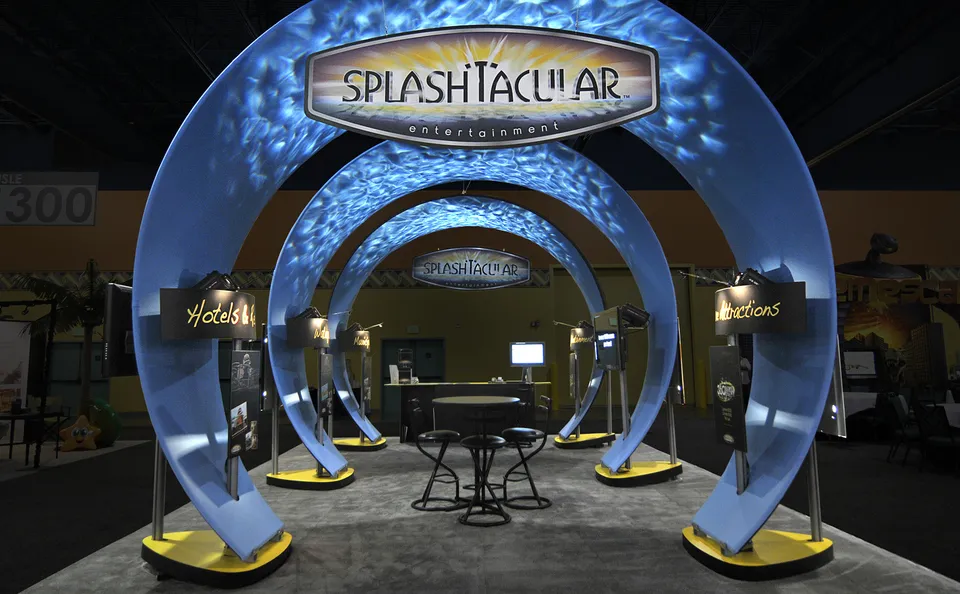
Booth Design Should Begin with the Target Audience
One of the most important parts of exhibit planning is understanding the people attending the trade show. Different audiences have different expectations, concerns, and buying motivations.
For example, technical professionals may want detailed product information, specifications, demonstrations, and discussions with subject-matter experts. Retail buyers may be more interested in product presentation, pricing, packaging, and distribution opportunities. Senior executives may prefer a comfortable environment for discussing partnerships, contracts, and long-term business opportunities.
The booth should be designed around these expectations.
Before starting the design, businesses should consider:
- Who is most likely to visit the booth?
- What problems do these visitors want to solve?
- What information will influence their decisions?
- How much time will they spend at the exhibit?
- What action should visitors take after interacting with the brand?
Answering these questions helps create a more relevant and effective visitor experience.
Creating a Strong First Impression
Visitors often decide within seconds whether a booth is worth exploring. The exhibit must therefore communicate its identity and purpose quickly.
A strong first impression can be created through:
- Clear brand visibility
- Attractive but relevant graphics
- Strong headline messaging
- Open and welcoming access
- Well-organized product displays
- Effective lighting
- Professional staff presentation
- Consistent brand colors and imagery
The company name and primary message should be visible from different directions whenever possible. If visitors cannot understand what the company does, they may continue walking even if the booth looks attractive.
The best booth designs balance creativity with clarity. A visually impressive display is useful only when it helps visitors understand the brand and encourages them to engage.
The Importance of an Efficient Booth Layout
A successful trade show booth should guide visitors naturally through the space. Poor planning can create crowded areas, blocked entrances, difficult conversations, and confusing product displays.
An efficient layout usually includes several functional zones:
- Attraction Zone
This area is designed to capture attention from the aisle. It may include a bold brand message, a large product display, a video wall, or an interesting visual feature.
- Engagement Zone
This space allows visitors to explore products, participate in demonstrations, ask questions, or interact with digital displays.
- Conversation Zone
This area is intended for one-to-one discussions, consultations, and product explanations.
- Meeting Zone
For businesses that conduct serious B2B discussions, a dedicated meeting space provides privacy and comfort.
- Storage and Support Zone
Storage is often overlooked, but it helps keep the booth clean and professional. Bags, packaging, brochures, promotional materials, and personal belongings should remain out of sight.
A well-planned layout improves visitor movement and helps booth staff manage conversations more efficiently.
Clear Messaging Improves Visitor Engagement
A booth should not force visitors to read long paragraphs to understand the company’s offering. Trade show environments are busy, noisy, and visually competitive. Messaging should therefore be short, direct, and benefit-focused.
Instead of using a vague statement such as “Delivering Excellence Through Innovation,” a company could use a clearer message such as:
- “Custom Manufacturing Solutions for Growing Brands”
- “Complete Trade Show Exhibit Design and Build”
- “Advanced Technology for Smarter Business Operations”
- “Reliable Logistics Solutions for Global Supply Chains”
The main message should explain what the company offers and why it matters. Supporting graphics, product images, and short benefit statements can provide additional context.
The booth should also include a clear call to action. This could encourage visitors to:
- Book a consultation
- Request a product demonstration
- Scan a QR code
- Meet a sales representative
- Download a product guide
- Schedule a follow-up meeting
Integrating Technology with Purpose
Technology can make a trade show booth more engaging, but it should be used thoughtfully. A large screen or interactive display should support the visitor journey rather than distract from the main message.
Useful technology options include:
- Touchscreen product catalogs
- Product demonstration videos
- Interactive presentations
- Digital lead capture forms
- Augmented reality experiences
- Virtual tours
- QR code-based resources
- Live social media displays
For example, a company selling complex equipment may use a video or animation to explain how its product works. A service provider may use an interactive presentation to show different solutions based on visitor needs.
Technology should be reliable, easy to use, and supported by trained staff. If a digital feature becomes difficult to operate, it may create frustration instead of engagement.
Strategic Design Supports Lead Generation
Trade show success should be measured by more than the number of visitors who stop at the booth. The quality of conversations and the number of relevant leads are also important.
The booth design should make it easy for staff to identify, engage, and qualify prospects. A simple lead generation process may include:
- Welcoming visitors
- Asking about their needs
- Presenting a relevant solution
- Collecting contact details
- Recording important conversation notes
- Scheduling a follow-up action
Digital lead capture tools can make this process faster and more organized. QR codes, tablets, and registration forms may be used to collect information, but staff interaction remains essential.
A booth should create enough space for meaningful conversations rather than focusing entirely on attracting large crowds.
Consistency Across Design and Branding
A professional exhibit should match the company’s wider branding. The colors, graphics, messaging, staff uniforms, brochures, presentations, and promotional materials should create a consistent identity.
Brand consistency helps visitors recognize the company and improves perceived professionalism. It also ensures that the trade show experience connects with the brand’s website, social media channels, advertising, and sales materials.
When visitors see the same message and visual identity across multiple touchpoints, the brand becomes easier to remember.
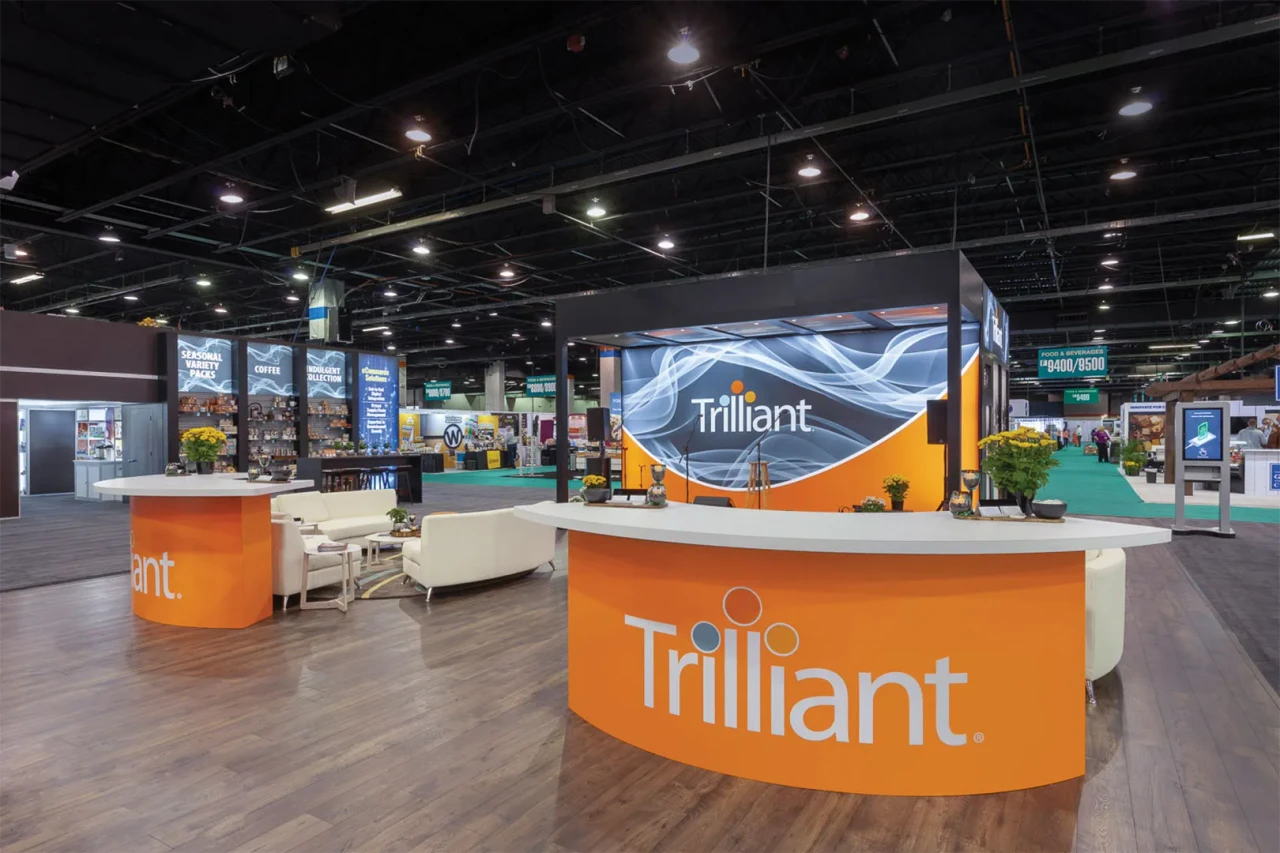
Professional Execution Is Essential
Strategic booth design must be supported by professional fabrication, graphics, installation, lighting, and logistics. Even the best design can lose its impact if the booth is poorly constructed or installed late.
An experienced exhibit partner can help manage:
- Concept development
- 3D booth visualization
- Custom fabrication
- Graphic production
- Furniture and lighting
- Shipping and transportation
- Installation and dismantling
- On-site coordination
- Storage and refurbishment
This complete approach allows businesses to focus on their visitors and marketing goals while the exhibit partner manages the technical details.
Conclusion
Strategic booth design plays a major role in trade show success. It ensures that every part of the exhibit-from layout and graphics to technology and meeting areas-supports the company’s objectives.
A successful booth should attract the right audience, communicate a clear message, encourage meaningful interaction, and make it easy to convert interest into business opportunities.
With careful planning and professional execution, a trade show exhibit can become a powerful marketing asset that continues to support brand visibility and lead generation long after the event ends.