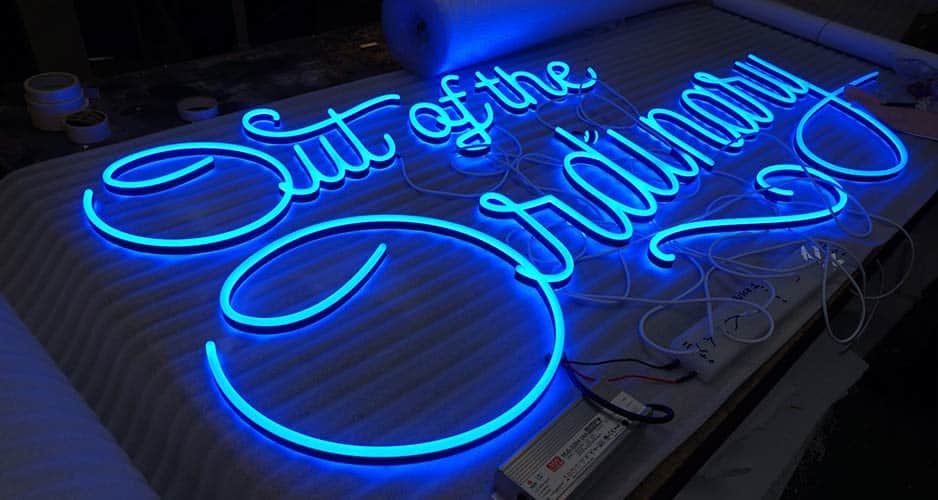

Design flexibility plays an important role in professional neon sign manufacturing because every project has different visual, functional, and practical requirements. A restaurant may need an illuminated logo for its storefront, while a retail business may want a distinctive display that reflects its brand identity. Residential customers, meanwhile, may prefer personalized lettering, decorative shapes, or meaningful messages. The ability to accommodate these different needs helps make custom neon signage suitable for a wide range of applications.
A professional Neon Sign Manufacturer should be able to translate individual concepts into practical designs without overlooking material selection, lighting performance, and installation requirements. Flexible design options allow customers to make decisions about colors, dimensions, fonts, shapes, and mounting styles while ensuring that the finished product remains suitable for its intended environment.
1. Creating Designs Around Individual Requirements
One of the greatest advantages of design flexibility is the ability to develop signs according to specific customer requirements. Standard signage may not always communicate a business’s identity or match the appearance of a particular space.
Custom manufacturing makes it possible to produce signs based on:
- Business names and company logos
- Personalized messages and quotations
- Decorative symbols and illustrations
- Specific fonts and lettering styles
- Unique dimensions and layouts
- Brand colors and visual guidelines
This approach gives customers greater control over the final appearance of their signage and helps ensure that each project serves its intended purpose.
2. Supporting Consistent Brand Identity
For commercial organizations, signage is an important part of visual branding. Colors, typography, symbols, and logo proportions all contribute to how customers recognize a business.
Flexible manufacturing allows companies to incorporate existing brand elements into illuminated displays. A retail store, for example, may require a sign that matches its packaging and interior design, while a restaurant may want illuminated lettering that reflects its overall atmosphere.
Maintaining consistency between signage and other brand materials can create a more recognizable and professional presentation.
3. Offering Different Fonts and Typography Styles
Typography has a significant influence on the appearance and readability of neon signs. Different lettering styles communicate different moods, making font selection an important part of the design process.
Some popular options include:
- Script fonts: Often used for elegant, decorative, or welcoming displays.
- Bold lettering: Suitable for storefronts, promotional messages, and signs that need strong visibility.
- Minimalist fonts: Useful for contemporary interiors and simple branding.
- Custom typography: Helps businesses reproduce distinctive lettering from their existing visual identity.
Manufacturers must also consider the practical limitations of each font. Very small letters, narrow strokes, and complicated curves may require adjustments to maintain clarity and production quality.
4. Providing a Wide Selection of Colors
Color customization gives customers the opportunity to coordinate neon signs with their surroundings or brand guidelines. Modern LED neon technology supports a broad range of color options, allowing manufacturers to create different visual effects.
For commercial applications, colors may be selected to match a company’s identity or improve visibility against a particular background. Residential customers may prefer softer shades that complement furniture, wall colors, and decorative themes.
Some products also offer adjustable brightness or color-changing features. However, customers should confirm which options are supported by the specific design and electrical components before production begins.
5. Adapting Sign Dimensions and Shapes
Different installation spaces require different sign dimensions. A small decorative sign may be appropriate for a bedroom or reception desk, whereas a large storefront display needs to be designed for visibility from a greater distance.
Flexible manufacturing makes it possible to adjust:
- Overall width and height
- Letter size and spacing
- Layout and alignment
- Decorative shapes and outlines
- Backing panel dimensions
- Mounting and hanging arrangements
Accurate measurements are important because the finished sign must fit the available space without interfering with doors, furniture, windows, or other fixtures.
6. Turning Creative Concepts into Practical Products
Customers may have creative ideas that are not immediately suitable for manufacturing. A design could contain extremely thin lines, complicated shapes, or lettering that is difficult to reproduce at a small scale.
Professional design support helps bridge the gap between an initial concept and a manufacturable product. Designers can review the artwork, identify technical limitations, and suggest adjustments that preserve the original idea.
This process may involve simplifying small details, modifying line thickness, changing letter spacing, or adjusting the overall layout. The goal is to maintain the intended appearance while making production more practical.
7. Choosing Materials That Support Design Flexibility
Material selection influences which shapes, dimensions, and finishes can be achieved. Modern LED neon signs commonly use flexible lighting materials combined with acrylic or other backing options.
Different components serve different purposes:
- LED neon flex: Provides the illuminated lines and shapes.
- Acrylic backing: Supports the design and can be cut into different outlines.
- Power supplies: Deliver the electrical input required by the lighting system.
- Mounting accessories: Help secure the sign to walls or other surfaces.
- Protective components: Support safe and appropriate operation.
Manufacturers should recommend materials based on the sign’s size, design complexity, installation location, and intended use rather than relying on a single standard configuration.
8. Using Digital Design Proofs Before Production
Digital previews are an important part of a flexible manufacturing process. They allow customers to review the proposed sign before materials are cut and assembled.
A design proof should clearly communicate the following details:
- Overall dimensions and proportions
- Text, spelling, and logo placement
- Selected colors and lighting arrangement
- Backing panel shape and material
- Mounting and installation considerations
Customers should review these details carefully and request necessary revisions before approving production. This reduces misunderstandings and helps ensure that the final product matches the agreed design.
9. Balancing Creativity with Technical Requirements
Although customization provides many possibilities, every sign must satisfy practical manufacturing and installation requirements. A design that looks attractive on a computer screen may need adjustments to achieve consistent illumination or suitable structural support.
Important considerations include electrical compatibility, power supply capacity, cable placement, component spacing, and mounting stability. Outdoor projects also require suitable protection against moisture, dust, and environmental exposure.
Professional manufacturers evaluate these factors during the design stage. This helps prevent creative choices from compromising the safety, functionality, or durability of the finished sign.
10. Meeting the Needs of Different Industries
Design flexibility makes neon signage useful across many industries because each sector has its own presentation requirements.
Retail stores: Customized logos, promotional messages, and window displays can help attract attention and reinforce branding.
Restaurants and cafés: Decorative phrases, menu-related graphics, and illuminated logos can contribute to a welcoming atmosphere.
Hotels and entertainment venues: Distinctive displays can enhance reception areas, lounges, bars, and event spaces.
Offices: Minimalist signs and company logos can create a consistent professional appearance.
Residential spaces: Personalized names, artwork, and decorative messages allow homeowners to express their preferences.
A flexible design process helps manufacturers adapt their products to the intended audience and environment.
11. Improving Customer Satisfaction Through Collaboration
Successful customization depends on communication between the customer and manufacturer. Customers understand their preferred appearance and practical needs, while manufacturers understand the technical requirements of production.
A collaborative process generally includes discussing the concept, reviewing measurements, selecting materials, preparing a design proof, approving the specifications, and beginning production.
Clear communication at each stage helps reduce errors and makes it easier to address questions before they affect the final result.
Conclusion
Design flexibility is a key element of professional neon sign manufacturing because it allows products to reflect individual preferences, business identities, and different installation requirements. From typography and colors to dimensions, materials, and mounting options, customization gives customers greater control over the appearance and functionality of their signs.
However, creative freedom must be balanced with practical considerations such as lighting consistency, electrical safety, material quality, and structural support. A well-organized design and approval process helps transform creative ideas into attractive, functional signage that meets the needs of commercial and residential customers.