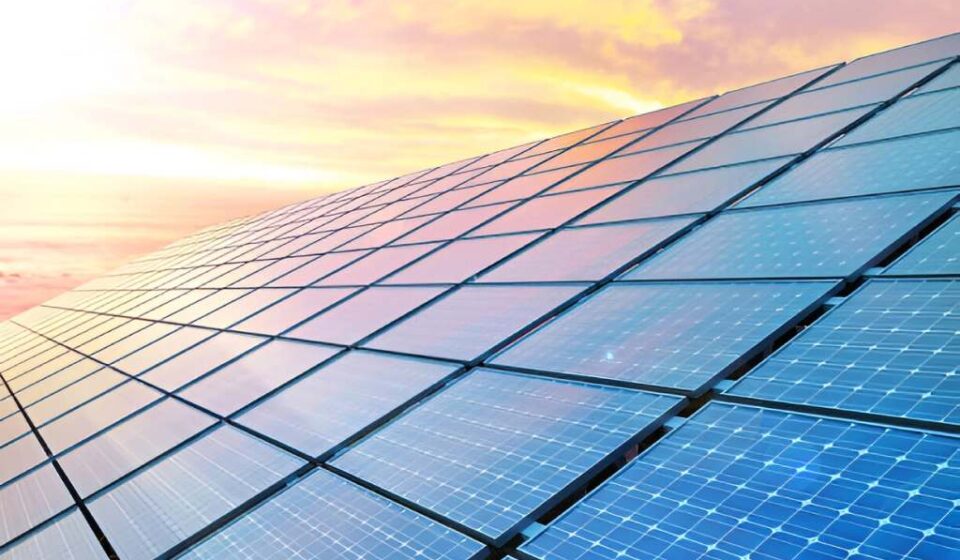

Solar energy is becoming an important part of the transition toward cleaner and more efficient electricity use. With good sunlight availability across many parts of Assam, solar power can be considered for homes, businesses, institutions, and other properties looking to generate electricity from a renewable source.
Choosing the right solar company in assam is an important step because a solar system is more than just a set of panels. The overall system may include solar modules, an inverter, mounting structures, cables, protection equipment, monitoring systems, and, where required, batteries. Proper system design and installation help ensure that these components work together safely and efficiently.
What Is a Solar Energy System?
A solar energy system converts sunlight into electricity that can be used to operate electrical appliances and equipment. The main component is the solar panel, which contains photovoltaic cells that generate direct current (DC) electricity when exposed to sunlight.
An inverter then converts this DC electricity into alternating current (AC), which is suitable for most electrical appliances and building systems.
Depending on the type of installation, a solar setup can also be connected to the electricity grid or combined with battery storage.
Main Components of a Solar System
A typical solar installation may include:
- Solar panels: Generate electricity from sunlight.
- Solar inverter: Converts DC electricity into usable AC electricity.
- Mounting structure: Holds the panels securely in the required position.
- DC and AC cables: Carry electricity between different parts of the system.
- Protection devices: Help protect the installation from electrical faults and other risks.
- Monitoring system: Allows users to track system performance.
- Battery storage: Stores electricity for later use in suitable solar configurations.
The exact components depend on the property’s electricity requirements, available roof or land area, system type, and installation objectives.
Why Consider Solar Power in Assam?
Solar power can offer several practical advantages when the system is properly planned. It can help property owners generate part of their electricity from a renewable source and reduce dependence on conventional grid electricity.
For residential properties, rooftop solar can make use of otherwise unused roof space. Businesses and institutions with larger electricity requirements may also consider solar installations as part of their energy management approach.
Other potential benefits include:
- Generation of renewable electricity
- Better use of available rooftop space
- Reduced dependence on conventional electricity sources
- Potential long-term savings on electricity expenses
- Lower operational emissions compared with electricity generated from fossil fuels
- Greater awareness and control over electricity generation and consumption
The actual financial benefit depends on factors such as electricity consumption, system size, installation cost, tariff structure, available sunlight, maintenance, and applicable policies.
Types of Solar Energy Systems
Not every property needs the same type of solar installation. Understanding the basic system categories can make it easier to discuss requirements with an installer.
On-Grid Solar System
An on-grid system is connected to the electricity grid. Solar panels generate electricity during suitable daylight conditions, while the grid can continue to supply electricity when solar generation is insufficient.
This type of system is commonly considered by properties that already have a reliable grid connection and want to generate some of their electricity through solar power.
Off-Grid Solar System
An off-grid system operates independently of the electricity grid and generally uses batteries to store energy. It can be useful in locations where grid electricity is unavailable or unreliable, depending on the property’s needs.
Because batteries are an important part of the setup, system sizing and energy management require careful planning.
Hybrid Solar System
A hybrid system combines solar generation, battery storage, and grid connectivity. Depending on the system design, excess solar energy can be stored in batteries for later use, while the grid can provide additional electricity when necessary.
Hybrid systems can be considered when backup capability and greater control over energy use are important.
How to Choose a Solar Company in Assam
Selecting an installer should involve more than comparing the price of solar panels. The quality of system design, equipment compatibility, installation practices, documentation, and after-sales support can all affect the long-term performance of a solar project.
Before making a decision, consider the following factors.
Assess Your Electricity Consumption
Start by reviewing recent electricity bills. Look at monthly consumption rather than choosing a system size based only on available roof space.
An installer can use this information to estimate an appropriate system size and discuss expected generation.
Check the Roof or Installation Area
For rooftop solar, the installer should assess:
- Available roof area
- Roof condition
- Shading from trees or nearby structures
- Roof orientation and layout
- Structural suitability
- Safe access for installation and maintenance
Even a well-designed solar system may not perform as expected if significant shading affects the panels.
Understand the Equipment
Ask which solar modules, inverter, mounting structure, cables, and protection equipment will be used. It is also useful to understand the warranties provided for major components and what those warranties cover.
The cheapest quotation is not automatically the most suitable option. Equipment quality, system design, installation standards, and long-term service should also be considered.
Review Installation and Maintenance Support
Solar panels generally require relatively limited routine maintenance, but the system should still be inspected and maintained appropriately. Ask the installer about cleaning requirements, system monitoring, troubleshooting, warranty support, and service procedures.
A company that clearly explains these areas can make the ownership experience easier.
Understanding Solar Panel Installation
Solar installation usually begins with a site assessment. The installer evaluates the property, electricity usage, roof or land conditions, shading, and other technical requirements.
The next steps generally include system design, equipment selection, installation of the mounting structure, panel installation, inverter and electrical connections, testing, and commissioning.
For grid-connected systems, additional procedures may be required before the system can be connected to the electricity network. These requirements can vary depending on the applicable local regulations and utility procedures.
Property owners should therefore ask the installer to explain the complete process before work begins.
How to Maintain a Solar System
Solar panels are designed for outdoor use, but regular observation and basic maintenance can help identify potential issues.
Dust, leaves, bird droppings, and other debris can accumulate on panel surfaces and affect sunlight reaching the photovoltaic cells. Cleaning requirements depend on the local environment, weather conditions, panel position, and the amount of dust or debris present.
A basic maintenance approach includes:
- Checking panels periodically for visible dirt or damage.
- Monitoring the inverter for warning messages or unusual readings.
- Keeping the area around the installation reasonably clear.
- Checking for visible cable or mounting issues through qualified personnel.
- Arranging professional inspection when performance changes unexpectedly.
Electrical components should not be opened or repaired by unqualified individuals. Technical problems should be handled by trained professionals.
What Should You Ask Before Installing Solar?
Before selecting a solar provider, prepare a list of practical questions. These can help you compare proposals more effectively.
Ask:
- What system size is being recommended and why?
- What is the estimated annual electricity generation?
- Which major components will be installed?
- What warranties are included?
- What installation and safety standards will be followed?
- Is monitoring included?
- What maintenance is required?
- What happens if the inverter or another major component develops a fault?
- Are there any approvals or utility procedures required?
- What costs are included in the final quotation?
A detailed quotation should clearly explain equipment, installation work, applicable charges, warranties, and other relevant terms.
Solar Energy for Homes and Businesses
Residential solar systems are often designed around household electricity consumption and available rooftop space. Common household loads can include lighting, fans, refrigerators, pumps, televisions, computers, and other appliances.
Commercial properties may have larger and more consistent electricity requirements. Offices, shops, warehouses, schools, healthcare facilities, and other buildings may therefore require a more detailed assessment of their load profile and available installation area.
The right approach is not simply to install the largest possible system. The system should match actual electricity requirements, site conditions, budget, and the property’s long-term energy objectives.
Making a Practical Solar Investment
Solar energy should be viewed as a long-term infrastructure decision rather than a quick purchase. A good planning process considers current electricity consumption as well as possible changes in future energy use.
For example, a property owner may later add air-conditioning systems, electric appliances, pumps, or other equipment. Discussing expected future consumption during the design stage can help avoid an unsuitable system size.
It is also important to compare quotations based on the complete system rather than only the panel capacity or initial price.
Frequently Asked Questions
1. How do I choose a solar company in Assam?
Look for a provider that offers proper site assessment, system design, quality equipment, professional installation, clear warranties, and reliable after-sales support. Compare complete quotations rather than focusing only on the initial price.
2. Is rooftop solar suitable for homes in Assam?
Rooftop solar can be suitable for many homes, provided there is adequate roof space, suitable structural conditions, sufficient sunlight, and an appropriate electricity connection. A site assessment can determine whether a particular roof is suitable.
3. What is the difference between on-grid and off-grid solar?
An on-grid system works with the electricity grid, while an off-grid system operates independently and normally requires battery storage. The appropriate option depends on electricity availability, backup requirements, consumption patterns, and the property itself.
4. Do solar panels require regular maintenance?
Solar panels generally require limited routine maintenance, but they should be kept reasonably clean and inspected periodically. The inverter, electrical connections, mounting structures, and other components should also be monitored and professionally checked when necessary.
5. How large should a solar system be for a property?
System size depends on electricity consumption, available installation space, sunlight conditions, system type, and the user’s energy goals. Reviewing electricity bills and conducting a site assessment are useful starting points for determining an appropriate capacity.
Conclusion
Solar energy can be a practical option for households, businesses, and institutions in Assam when the system is properly designed and installed. Understanding the differences between on-grid, off-grid, and hybrid systems, assessing electricity requirements, checking site conditions, and comparing equipment and service support can help property owners make informed decisions.
A reliable solar company in Assam can help turn these requirements into a suitable solar energy plan based on the property’s actual needs. For those exploring professional solar solutions and installation support, Solar Prabha can be considered as a relevant provider to discuss project requirements and available options.