
Two of the most technically significant concepts in modern tyre engineering are rolling resistance and the tyre pressure monitor system. Together, these factors have a profound impact on fuel efficiency, driving safety, tyre longevity, and overall vehicle performance. Apollo Tyres, one of India’s leading tyre manufacturers with a global research and development footprint, places considerable engineering focus on both areas to ensure that its products deliver the fuel savings and safety performance that today’s vehicle owners and automotive regulations require.
Understanding how rolling resistance works and why tyre pressure monitoring matters helps car owners make more informed decisions about tyre selection, maintenance, and replacement. Apollo Tyres educates its customers on these technical aspects through its product information and official retail platform at shop.apollotyres.com, reinforcing its commitment to transparency, customer education, and road safety advocacy.
What Is Rolling Resistance and Why Does It Matter
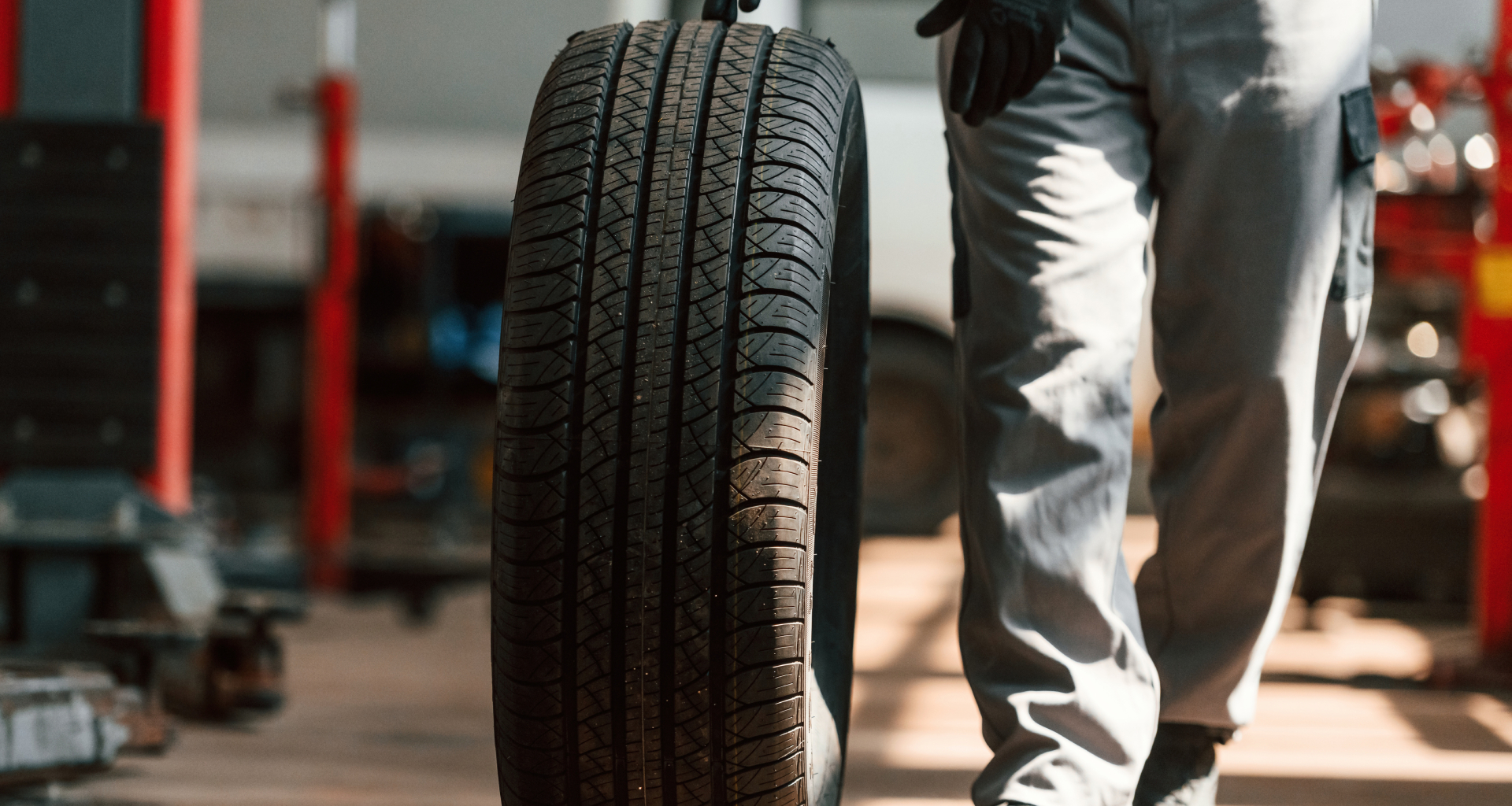
Rolling resistance is the force that opposes the forward motion of a tyre as it rolls along the road surface. It arises primarily from the energy lost as heat during the cyclic deformation of the tyre structure as it rotates under the vehicle’s load. As each section of the tyre enters the contact patch with the road and then exits it, the tyre material is compressed and then released, and a portion of the energy stored during compression is not fully recovered during release. This energy loss, known as hysteresis, is the dominant source of rolling resistance in a modern radial tyre.
The practical significance of rolling resistance for car owners is direct and financially measurable. Tyres with lower rolling resistance require less energy from the engine to maintain a given vehicle speed, which translates to lower fuel consumption. Studies in the tyre industry consistently show that a 10 percent reduction in rolling resistance can yield a fuel saving of approximately 1 to 2 percent under typical driving conditions. For drivers who cover significant annual distances, the cumulative fuel savings from choosing low rolling resistance tyres can be substantial over the full tyre service life.
How Apollo Tyres Engineers Low Rolling Resistance Products
Apollo Tyres addresses rolling resistance through advanced compound formulation and tread design engineering. The company’s research and development teams work with specialized silica-based tread compounds that offer a favorable balance between low hysteresis, which reduces rolling resistance, and high wet-surface grip, which is essential for braking safety. This balance is sometimes referred to as the tyre performance triangle, acknowledging that rolling resistance, wet grip, and tread durability must all be optimized simultaneously rather than independently, as improving one characteristic can sometimes negatively affect the others.
The Tyre Pressure Monitor System and Road Safety
The tyre pressure monitor system, commonly referred to as TPMS, is an electronic system fitted to modern vehicles that continuously monitors the air pressure inside each tyre and alerts the driver when pressure drops below a safe threshold. In many countries, TPMS is now mandated by law for all new passenger vehicles, reflecting the strong body of research showing that underinflated tyres are a significant contributing factor to tyre failures, blowouts, reduced vehicle stability, and increased fuel consumption.
The relationship between rolling resistance and the tyre pressure monitor system is direct and important. An underinflated tyre experiences significantly higher rolling resistance than a properly inflated one, because the lower pressure causes greater deformation of the tyre structure as it rolls, increasing hysteresis losses and heat generation within the tyre. The TPMS helps prevent this situation by giving the driver early warning of pressure loss before the effects on rolling resistance, handling, and tyre integrity become severe.
How a Tyre Pressure Monitor System Works
There are two main types of tyre pressure monitor system technology in use in modern vehicles. The direct TPMS uses a pressure sensor fitted inside each wheel that transmits real-time pressure data wirelessly to the vehicle’s onboard computer, which displays the individual pressure reading for each tyre and triggers an alert when any tyre’s pressure falls below a preset minimum. The indirect TPMS uses the vehicle’s existing antilock braking system wheel speed sensors to detect changes in wheel rotation speed that are characteristic of an underinflated tyre, inferring pressure loss from these rotational differences without requiring dedicated pressure sensors inside the wheels.
Maintaining Correct Tyre Pressure for Apollo Tyres Products
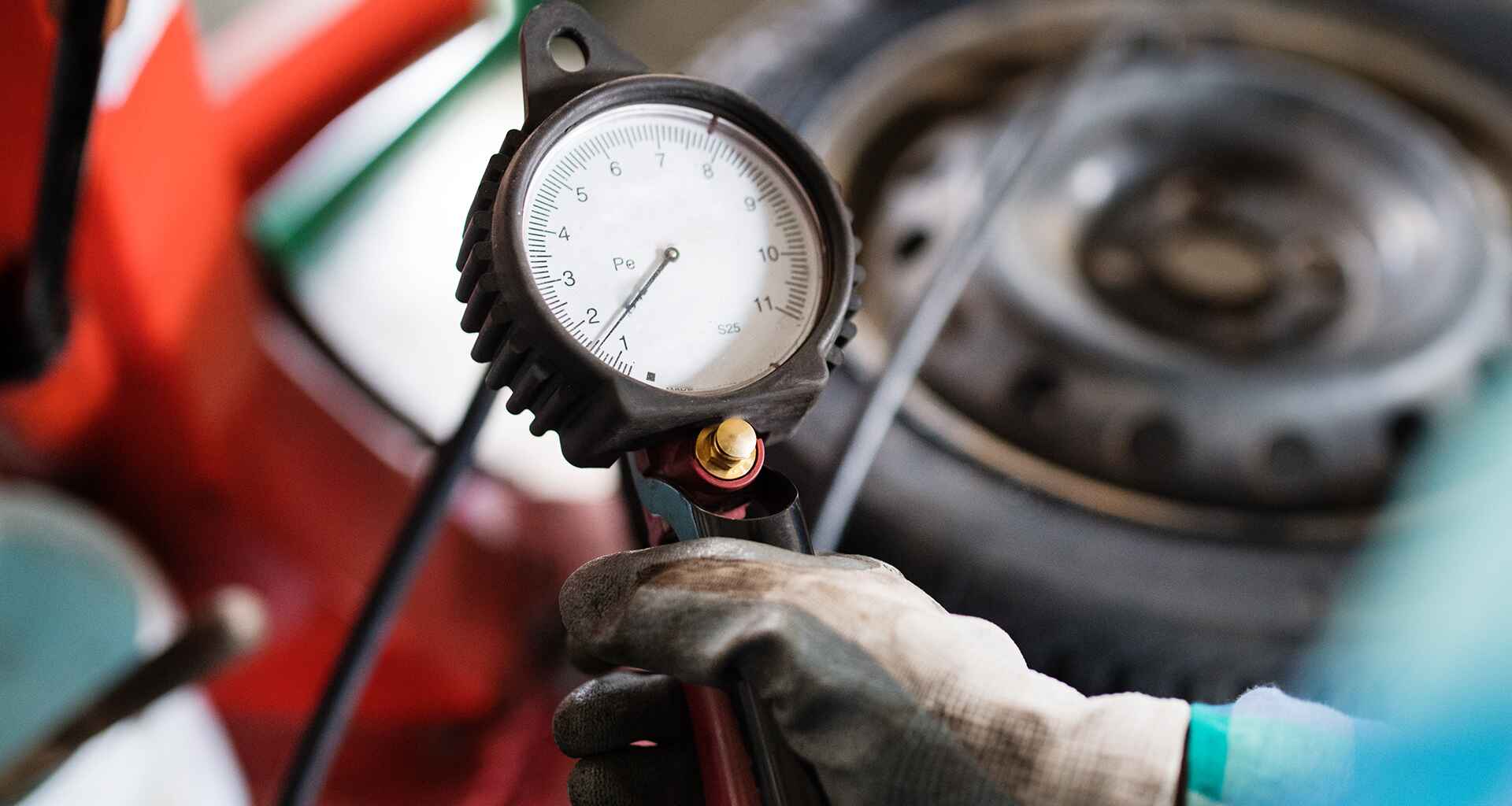
Apollo Tyres recommends that car owners check their tyre pressure at least once a month and before every long journey. The correct inflation pressure for a specific vehicle and tyre size combination is specified by the vehicle manufacturer in the owner’s manual and is typically also displayed on a placard located on the driver’s door sill or inside the fuel filler flap. Using the vehicle-specified pressure rather than the maximum pressure printed on the tyre sidewall is critical for achieving the intended balance of ride comfort, handling, fuel efficiency, and tyre wear that the vehicle manufacturer has engineered for that car.
Maintaining correct inflation pressure in Apollo Tyres products maximizes tyre life by ensuring even wear across the full width of the tread, preserves the tyre’s designed rolling resistance characteristics, and ensures that the tyre’s safety-critical performance parameters including wet braking distance and hydroplaning resistance are not compromised by the structural distortion caused by underinflation.
Conclusion
Both rolling resistance management through correct tyre selection and tyre pressure monitor system awareness through diligent tyre maintenance are critical elements of responsible car ownership. Apollo Tyres designs its product range with low rolling resistance technology to help customers reduce fuel costs and environmental impact, while supporting drivers in understanding the importance of maintaining correct inflation pressure as a fundamental safety and efficiency practice.
