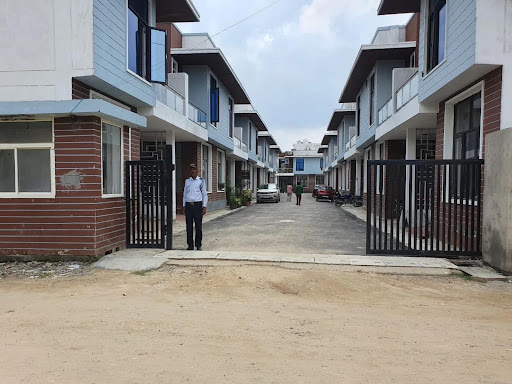

Choosing a rental home involves more than finding an attractive property at an affordable price. Tenants should compare location, space, condition, amenities, rental terms, and convenience before deciding.
A no-brokerage property search can feel more direct and manageable, but renters should still follow a process. Comparing suitable homes, visiting shortlisted properties, checking documents, and clearly discussing terms can help create a practical, comfortable rental experience. This approach keeps convenience balanced with careful decision-making.
Planning a Better Search for Rental Homes
A planned search helps tenants compare suitable homes while balancing budget, location, space, property condition, and everyday living requirements.
1. Setting a Realistic Rental Budget
Before exploring properties, tenants should decide how much they can comfortably spend each month. Consider rent alongside maintenance, utilities, parking, deposits, moving expenses, and other recurring costs. A clear budget can narrow the search and prevent attractive properties from creating unnecessary financial pressure. Tenants should also keep some flexibility for essential features that may improve convenience.
2. Prioritising Location and Connectivity
The right location can simplify daily routines by reducing travel time and improving access to workplaces, schools, public transport, markets, healthcare facilities, and recreational areas. Renters should consider their regular routes before selecting a neighbourhood. Visiting the area at different times can also help you better understand traffic, noise, accessibility, safety, and the overall surroundings.
3. Matching Space With Household Needs
Property size should reflect the tenant’s lifestyle, not just the number of bedrooms. Families may need additional storage, balconies, work areas, or flexible rooms, while smaller households may prioritise easy maintenance. Checking room dimensions, ventilation, natural light, storage, and common spaces can help renters understand whether the property will remain comfortable for everyday activities.
4. Checking Property Condition Carefully
A property visit allows tenants to notice details that photographs may not show clearly. Walls, flooring, plumbing, electrical fittings, windows, doors, bathrooms, kitchens, appliances, and water supply should be checked where possible. Existing damage or repair requirements should be discussed before finalising the agreement. Recording important observations can also make expectations clearer during handover.
5. Reviewing Rental Terms Before Commitment
Tenants should understand the rent, security deposit, notice period, maintenance responsibilities, lease duration, renewal conditions, and other applicable requirements. Any unclear clause should be discussed before signing. Written terms create clearer expectations between both parties and can reduce confusion later. Keeping copies of the agreement and payment records also helps maintain an organised rental process. This preparation also gives tenants a clearer reference if questions arise during the tenancy.
Making Direct Rental Searches More Practical
A direct rental approach can simplify property discovery when tenants know what to compare and which details to verify before moving forward. It also encourages renters to focus on suitable homes instead of simply choosing the first available option. When considering a no-brokerage property, renters can create a shortlist based on budget, preferred location, configuration, furnishing, amenities, and move-in requirements. Direct communication can make it easier to ask questions about rent, maintenance, availability, property rules, and expected handover dates. However, convenience should not replace verification.
Tenants should confirm the property shown is the same home being offered, review relevant ownership or authority information, and avoid rushing into payments just because a listing looks attractive. Taking a little extra time to compare options can support a more confident final choice. Comparing several properties can also provide better context for pricing and features. A structured shortlist helps renters separate essential requirements from optional preferences, making the final selection more practical and less driven by urgency.
1. Comparing Features Beyond Monthly Rent
Renters should look at the complete cost of living in a property rather than focusing only on advertised rent. Maintenance charges, utilities, parking, furnishing, commute costs, and other recurring expenses can change the actual monthly budget. Comparing these factors across shortlisted homes gives tenants a clearer picture of affordability and helps prevent unexpected expenses after moving into the selected home.
2. Verifying the Property Before Paying
A physical visit can help tenants confirm the property’s layout, condition, location, furnishings, and promised facilities. They should avoid making substantial payments before confirming important details. Any token amount or deposit should be tied to clear terms, payment records, and an agreed rental process.
3. Keeping Communication Clear and Documented
Document important discussions about rent, deposits, repairs, possession dates, furniture, maintenance, and notice periods. Written communication helps both parties remember agreed terms and reduces misunderstandings. Tenants should also keep copies of receipts, agreements, and relevant property-related records throughout the rental period.
4. Understanding Responsibilities After Moving
A smooth rental experience depends on knowing who handles repairs, maintenance, utility payments, society requirements, and other property-related responsibilities. Clarify these details before moving in. Clear expectations can help tenants manage everyday issues more efficiently and maintain a positive relationship with the property owner.
5. Preparing for a Smooth Handover
Before moving into a rental home, tenants should check keys, access cards, meter readings, fixtures, appliances, furniture, and existing damage. Photographs can document the property’s condition at handover. A simple inventory and written record can make future maintenance discussions and deposit-related matters easier to manage.
Choosing Suitable Rental Homes With Greater Confidence
A thoughtful property search combines practical requirements, financial planning, physical inspection, documentation, and clear communication to support better rental decisions.
For renters searching for a 2bhk rental house near me, comparing properties through consistent criteria can make the shortlist more useful. Tenants can assess location, room layout, furnishing, parking, amenities, maintenance, connectivity, and overall affordability before selecting a home. It is also helpful to consider whether the property suits current routines and foreseeable needs. Homish supports a more transparent and organised property-search experience by helping users explore rental options and understand the property better with a data driven property. It aims to simplify the journey while giving renters more control over their search. Their approach can help modern tenants move from browsing to evaluation with greater clarity, as long as they continue to verify property details, rental terms, and documentation before finalising the home.