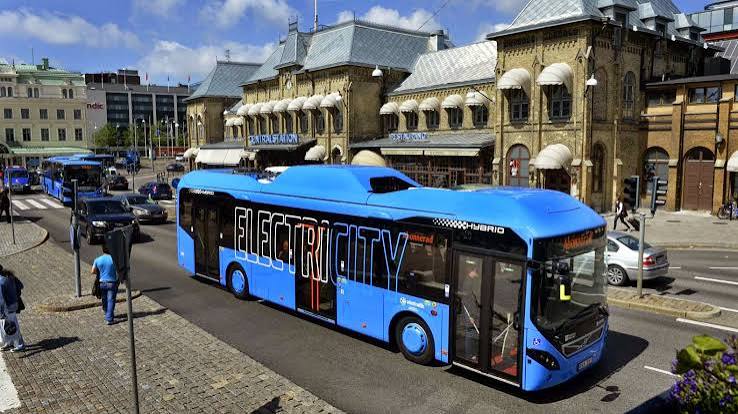

Quick answer: Sweden’s public transportation network is reliable, affordable, and easy to use — especially for students. Cities like Stockholm, Gothenburg, and Malmö offer buses, trams, metros, and trains that connect almost everywhere. Students can save money with special travel cards and apps that make getting around simple from day one.
Sweden has one of the most efficient public transit systems in the world. For anyone coming to study in Sweden, understanding how to get around is one of the first practical skills you will need. Luckily, Swedish cities are designed with public transport in mind. Whether you are heading to a university campus, a grocery store, or exploring a new neighborhood, there is almost always a bus, tram, or train that can take you there.
This guide walks you through everything you need to know — from buying your first ticket to finding the best apps for navigation. By the end, you will feel confident enough to travel across any Swedish city without any confusion.
Why Learning to Use Public Transit Matters When You Study in Sweden
Swedish cities prioritize public transportation over private car use. Stockholm, Gothenburg, and Malmö all have well-developed networks that include:
- Metro (Tunnelbana) — Available in Stockholm, with three main lines covering the city and its suburbs
- Trams — Common in Gothenburg, which has one of the largest tram networks in Scandinavia
- Buses — Available in every Swedish city and town, serving both urban and rural areas
- Commuter trains — Connect city centers to surrounding regions
Most universities are located near or directly on public transit routes, which makes commuting to campus straightforward. Living without a car in Sweden is not just possible — it is the norm for most students.
LSI keywords used throughout: Swedish public transport, student travel card Sweden, SL card Stockholm, Skånetrafiken, Västtrafik, Swedish transit apps
How Students Who Study in Sweden from Pakistan Can Get Started with Transit
If you are planning to study in Sweden from Pakistan, the public transportation system may feel unfamiliar at first. The good news is that it is highly organized, digital, and easy for international students to navigate.
Here is what to do as soon as you arrive:
Step 1: Download the Right App
Each region in Sweden has its own transit authority and its own app:
- SL app — For Stockholm (Storstockholms Lokaltrafik)
- Västtrafik app — For Gothenburg and the Västra Götaland region
- Skånetrafiken app — For Malmö and the Skåne region
These apps let you plan routes, buy tickets, and check real-time departure times. You can pay directly through the app using a debit or credit card, which means you do not need cash at all.
Step 2: Get a Travel Card
Most transit authorities offer rechargeable travel cards. In Stockholm, this is the SL Access card. In Gothenburg, it is the Västtrafik card. These cards store your trips or credit and can be topped up online, at convenience stores, or at transit offices.
Students often qualify for reduced fares. Check with your university’s international office or the transit authority website to confirm whether your student ID makes you eligible for discounts.
Step 3: Understand the Ticketing System
Swedish transit uses a zone-based pricing system. The more zones you travel through, the higher the fare. For most students living and studying within the same city, a single zone is usually enough for daily commuting.
A single trip ticket is valid for 75 minutes in Stockholm, which means you can make connections without buying a new ticket each time. Other cities have similar policies, so always check locally.
Helpful Tips for Getting Around Swedish Cities
Here are some practical tips that make daily transit easier:
Validate your ticket or card every time. Even with a travel card, you need to tap in at the start of each journey. Inspectors regularly check for valid tickets, and fines can be steep.
Check departure times, not schedules. Swedish transit runs on time with impressive consistency. If the app says the bus leaves at 08:14, it really does leave at 08:14. Arriving one or two minutes late often means waiting for the next one.
Use Google Maps as a backup. While regional apps are more detailed, Google Maps also works well for basic route planning in Swedish cities. It integrates with local transit data and shows live departure times.
Buy a monthly pass if you commute daily. A monthly travel pass is significantly cheaper than paying per trip. For students on a budget, this is usually the smartest option.
Learn a few Swedish transit words. “Avgång” means departure, “ankomst” means arrival, and “hållplats” means bus stop. Knowing these basics helps when reading signs or announcements.
Night buses run in most cities. Stockholm, Gothenburg, and Malmö all have night bus services that operate on weekends. If you are out late, you can still get home safely without needing a taxi.
What to Expect on Your Daily Commute
Swedish transit vehicles are clean, quiet, and heated during winter. Most buses and trams have digital displays showing upcoming stops, which removes the stress of figuring out when to get off.
Seating is first-come, first-served. It is common courtesy to give up your seat for elderly passengers or those with young children. Talking loudly on the phone is generally frowned upon — Swedish commuting culture tends to be quiet and respectful.
During peak hours (roughly 7:00 to 9:00 AM and 4:00 to 6:00 PM), vehicles can get crowded. Planning your commute slightly outside these windows, if your class schedule allows, makes the journey more comfortable.
Final Words
Getting around Swedish cities is one of the easier parts of student life in Sweden. The transit system is reliable, affordable, and genuinely designed to be used by everyone — including international students navigating it for the first time.
Start with the regional app for your city, get a travel card as soon as possible, and give yourself a few days to get comfortable with the routes near your university. Within a week or two, using public transportation in Sweden will feel completely natural.
If you are still preparing for your move, check with your university’s international student office. Many universities provide orientation sessions specifically about transit, local services, and getting settled in.
Frequently Asked Questions
Is public transportation in Sweden free for students?
No, public transportation is not free for students in Sweden. However, many transit authorities offer discounted student fares. Check with your specific region’s transit authority (SL, Västtrafik, or Skånetrafiken) to see what discounts are available with a valid student ID.
What is the best way to pay for transit in Swedish cities?
The most convenient options are transit apps (SL, Västtrafik, or Skånetrafiken) linked to your debit or credit card, or a rechargeable physical travel card. Cash payments are rarely accepted on Swedish buses or trams.
Do I need a Swedish bank account to use transit apps?
No. Most Swedish transit apps accept international debit and credit cards (Visa and Mastercard). You do not need a Swedish bank account to buy tickets.
How reliable is public transportation in Sweden during winter?
Swedish transit systems are built to handle cold winters. Delays due to snow or ice are uncommon. Major transit lines in Stockholm, Gothenburg, and Malmö operate as normal throughout the year.
Is it easy to travel between Swedish cities as a student?
Yes. Sweden has an extensive rail network. SJ (Swedish Railways) connects major cities. Students can often find discounted train tickets, especially when booked in advance through the SJ app or website.
What should I do if I miss my last bus or train at night?
Most major Swedish cities run night buses on weekends. You can also use taxi apps like Cabonline or Uber. Costs are higher than transit, so using night buses where available is the budget-friendly choice.