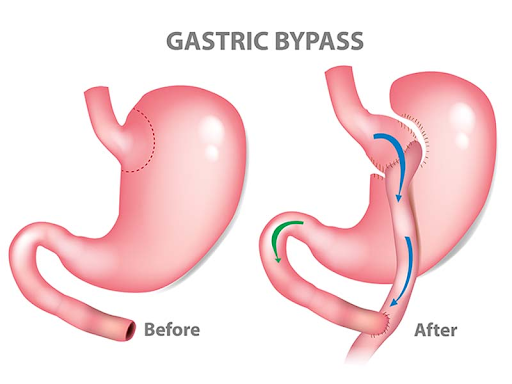

Gastric bypass surgery is a major step for long-term weight management. While physical readiness is important, mental and emotional preparation also plays a key role. It helps individuals understand upcoming changes, adjust to new habits, and respond with clarity. A prepared mindset supports better recovery and overall well-being. For those considering gastric bypass surgery in Delhi, psychological readiness helps approach the decision with confidence and reduces uncertainty around the journey ahead.
Understanding Your Reasons for Surgery
Before undergoing surgery, it is important to reflect on the reasons behind the decision. Clear and realistic motivation helps individuals stay committed during and after the process. Whether the goal is to improve health, increase mobility, or enhance quality of life, understanding personal reasons creates a strong foundation. When motivations are clearly defined, individuals are less likely to feel uncertain later. This clarity also helps align expectations with the long-term nature of the results. Gastric bypass surgery in Delhi supports change, but sustained effort remains necessary.
Managing Pre-Surgery Emotions
It is natural to experience a mix of emotions before surgery. Some individuals may feel hopeful, while others may have concerns about the procedure or recovery. Feelings such as anxiety, doubt, or hesitation are common and should be acknowledged. Recognising these emotions early allows individuals to address them in a healthy way. Open conversations with healthcare professionals or counsellors can help reduce uncertainty. Accepting these feelings instead of ignoring them supports emotional stability.
Setting Realistic Expectations
Understanding what the surgery can achieve is an important part of preparation. Weight loss after gastric bypass surgery happens gradually and requires consistent effort. The procedure supports change, but it does not replace healthy habits. Expecting immediate or dramatic results can lead to disappointment. Focusing on steady progress helps maintain motivation. Being aware of the recovery process and lifestyle adjustments allows individuals to prepare mentally for what lies ahead.
Preparing for Behavioural and Eating Changes
After surgery, individuals need to adapt to new eating patterns and daily habits, and mental preparation can help make this transition smoother.
- Portion Control: Eating smaller meals at regular intervals throughout the day.
- Mindful Eating: Chewing food slowly and paying attention to hunger and fullness cues.
- Food Choices: Avoiding foods that may cause discomfort or digestion issues.
- Meal Routine: Following a consistent and structured eating schedule.
Being aware of these changes in advance can help individuals adjust more comfortably and reduce the sense of restriction after surgery.
Building a Reliable Support System
Having a strong support system plays an important role during both preparation and recovery, as it provides emotional reassurance, encouragement, and practical help.
- Family Support: Involvement of family and friends who understand and support the journey.
- Medical Guidance: Regular interaction with healthcare professionals for ongoing advice and monitoring.
- Peer Support: Participation in support groups or discussions with individuals undergoing similar experiences.
A supportive environment helps individuals stay motivated, feel less isolated, and remain consistent with necessary lifestyle changes.
Preparing for Body Image Changes
Physical changes after surgery can affect how individuals view themselves. While weight loss may improve health, adjusting to a new body image can take time. Some individuals may feel confident, while others may need time to adapt. Focusing on overall health rather than appearance alone can help maintain a balanced perspective. Psychological preparation supports acceptance of gradual changes and encourages a positive outlook.
Managing Anxiety Before Surgery
Feeling anxious before a medical procedure is common. Concerns about the surgery, recovery period, or outcomes may arise. Addressing these concerns openly can help reduce stress. Simple practices such as deep breathing, maintaining a routine, and seeking clarity from healthcare providers can be helpful. Clear communication builds confidence and helps individuals feel more at ease.
Role of Psychological Counselling
Psychological counselling plays an important role in preparing for gastric bypass surgery. It helps assess emotional readiness and identify any concerns that may need attention. Counselling sessions provide a space to discuss expectations, fears, and behaviour patterns.
Professional guidance can support individuals in building coping strategies and improving long-term adjustment. This preparation helps create a more stable and informed approach to the journey ahead.
Conclusion
Psychological preparation is an essential part of undergoing gastric bypass surgery. It helps individuals manage emotions, set realistic expectations, and adapt to lifestyle changes. By focusing on mental readiness, individuals can approach the process with clarity and confidence. For those considering gastric bypass surgery in Delhi, understanding the emotional and behavioural aspects can support a smoother and more balanced transition towards improved health.