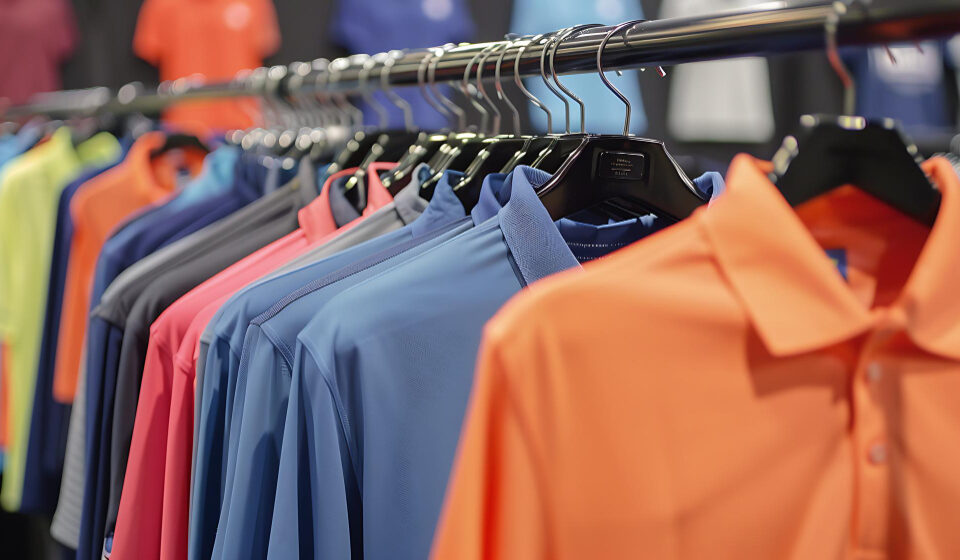

Uniforms shape how people see your business before any conversation starts. Fabric choice, fit, and print quality affect comfort and perception throughout the day. A Polo Shirt Philippines solution works best when design, durability, and brand image are planned together. This alignment helps teams look consistent, feel comfortable, and represent your brand clearly. When materials and production match daily use, you reduce replacements, control costs, and maintain a professional appearance across all touchpoints.
Defining Brand-Aligned Design
Translating Brand Identity into Apparel
Start with your core colors, logo usage, and tone. Keep layouts clean and readable from a distance of 2 to 3 meters. Place logos on the left chest or sleeve for daily wear visibility—a Polo shirt Philippines program benefits from standard placement rules across departments. Consistent design builds recognition across locations.
Choosing Colors and Contrast
Pick colors that match brand guidelines and remain stable after repeated washing. Use high-contrast combinations for logos and text to keep visibility under indoor and outdoor lighting. Test samples under daylight and office lighting before approval. This avoids faded or hard-to-read prints. Strong contrast supports a clear brand image.
Selecting Durable Materials
Comparing Fabric Types
Common options include cotton, polyester, and blended fabrics. Cotton offers comfort and breathability, while polyester improves durability and moisture control. Blends balance both and often last longer in daily use. Choose based on work conditions and wear frequency. Fabric choice drives long-term performance.
Evaluating GSM and Fabric Weight
Fabric weight affects durability and comfort. Light fabrics around 160–180 GSM suit indoor use and warm climates. Heavier fabrics around 200–220 GSM handle frequent washing and rough use better. Match GSM to your environment and workload. Proper weight selection reduces early wear.
Ensuring Print and Embroidery Quality
Choosing the Right Branding Method
Embroidery provides a premium look and holds up well over time. Screen printing works for large, simple designs and reduces cost at scale. Heat transfer suits detailed graphics but needs proper care. Select the method based on logo complexity and volume. The right method protects brand consistency.
Testing Wash Durability
Run wash tests for at least 20 to 30 cycles before full production. Check for color bleeding, logo cracking, and fabric shrinkage. This step prevents quality issues after distribution. Reliable testing reduces replacement rates. It also protects your brand image.
Optimizing Fit and Comfort
Standardizing Size Ranges
Offer a full-size range from XS to 3XL or higher when needed. Use consistent measurements across batches to avoid fit issues. Provide a size chart and sample fittings before rollout. This reduces returns and improves satisfaction. Proper sizing supports daily comfort.
Designing for Movement and Climate
Work environments in the Philippines require breathable and flexible clothing. Include side vents, moisture-wicking fabric, or stretch blends when needed. Short sleeves suit most settings, while long sleeves fit cooler or formal spaces. Design for actual use, not only appearance. Functional comfort improves adoption.
Managing Production Consistency
Setting Clear Specifications
Document fabric type, GSM, color codes, stitching, and logo placement. Share this with all suppliers to avoid variation. A Polo shirt Philippines program benefits from strict production specs across orders. Clear specs reduce inconsistencies. They also speed up reorders.
Running Pilot Batches
Produce a small batch before full rollout. Inspect stitching, color accuracy, and print alignment. Gather feedback from a test group of employees. Use this input to refine the final order. Pilot runs prevent large-scale issues.
Balancing Cost and Long-Term Value
Calculating Cost per Wear
Lower upfront cost often leads to faster wear and higher replacement frequency. Track how many washes a shirt lasts before quality drops. For instance, a shirt that lasts 40 washes at ₱600 often beats one that lasts 20 washes at ₱400. Cost per wear gives a clearer picture of value. This approach supports smarter budgeting.
Planning Bulk Orders and Reorders
Bulk production reduces unit cost and ensures uniformity. Keep a buffer stock for new hires and replacements. Schedule reorders based on wear cycles, not only inventory levels. This keeps teams consistent throughout the year. Planned ordering improves cost control.
Supporting Brand Image Across Teams
Aligning Uniforms with Customer-Facing Roles
Frontline teams need cleaner finishes and sharper branding. Back-end teams may prioritize durability and comfort. Adjust fabric and design details based on role while keeping core branding consistent. This maintains a unified look across departments. Role-based design improves practicality.
Reinforcing Professional Appearance
Set basic care guidelines for employees, including washing, ironing, and storage. Provide two to three sets per employee to maintain rotation. Clean, well-fitted uniforms strengthen trust during customer interactions. Consistent appearance supports your brand every day.
Key Takeaway
A Polo shirt Philippines strategy works when design, durability, and brand image are planned as one system. Choose fabrics based on use, test prints for wash durability, and standardize specifications to maintain consistent quality. Focus on fit, comfort, and clear branding to support daily wear. With proper planning and testing, you reduce replacement costs and present a reliable, professional image across all teams.
