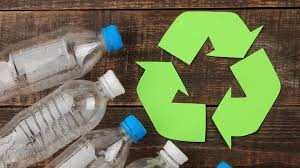

Plastic recycling is one of the most important steps we can take to reduce waste and protect the environment. Every day, millions of plastic bottles, bags, containers, and packaging materials are thrown away. If these items are not managed properly, they can stay in landfills for many years or pollute rivers, oceans, and land areas. This is why understanding plastic recycling is so valuable for homes, businesses, and industries.
Many people use plastic because it is light, affordable, and durable. It is found in food packaging, household products, medical tools, electronics, and many other items. However, the growing use of plastic has also created a major waste problem. Recycling helps turn used plastic into new products instead of letting it become waste. This saves resources, reduces pollution, and supports a cleaner future.
In this guide, you will learn how plastic recycling works, why it matters, the different types of recyclable plastics, common challenges, and how everyone can help improve the recycling process.
What Is Plastic Recycling?
Plastic recycling is the process of collecting used plastic items, sorting them, cleaning them, and converting them into raw material that can be used again. Instead of throwing plastic away after one use, recycling gives it a second life.
For example, a used plastic bottle can be recycled and made into another bottle, clothing fibers, furniture, or packaging material. This reduces the need to create new plastic from raw fossil fuels such as oil and natural gas.
Plastic recycling supports a circular economy, where products are reused and remade instead of being used once and discarded.
Why Plastic Recycling Matters
Plastic waste is a growing global concern. Without proper management, discarded plastic can harm wildlife, pollute water sources, and damage natural ecosystems. Recycling plays an important role in solving this problem.
Reduces Waste in Landfills
Landfills are filling up quickly because of increasing waste generation. Plastic takes a very long time to break down. Recycling keeps large amounts of plastic out of landfill sites.
Saves Natural Resources
Making new plastic requires raw materials such as petroleum and natural gas. Recycling used plastic reduces the demand for these limited resources.
Saves Energy
Producing recycled plastic often uses less energy than making new plastic from raw materials. This helps lower energy consumption.
Lowers Pollution
Recycling can reduce air and water pollution caused by waste burning, dumping, and new plastic production.
Protects Wildlife
Plastic waste in rivers and oceans can harm fish, birds, and animals. Recycling helps reduce plastic litter in nature.
Creates Jobs
The recycling industry supports jobs in collection, transport, sorting, processing, and manufacturing.
How Plastic Recycling Works
The process of plastic recycling involves several important steps. Each step helps convert waste plastic into reusable material.
1. Collection
The first step is collecting plastic waste from homes, offices, factories, shops, and public places. Plastic waste may come from recycling bins, waste centers, or industrial scrap.
2. Sorting
After collection, plastic items are sorted based on type, color, thickness, and quality. Different plastics have different chemical properties, so they cannot always be recycled together.
Sorting may be done by workers or machines using sensors and automated systems.
3. Cleaning
Plastic waste often contains food residue, labels, dirt, glue, or liquids. Cleaning removes contamination so the material can be processed properly.
4. Shredding
Clean plastic is shredded into small flakes or pieces. This makes it easier to melt and process.
5. Melting and Processing
The shredded plastic is heated and melted. It is then formed into pellets, sheets, or raw material.
6. Manufacturing New Products
Manufacturers use recycled plastic to make new products such as bottles, containers, pipes, furniture, packaging, textiles, and more.
Types of Plastics That Can Be Recycled
Not all plastics are the same. Many products have recycling symbols with numbers that identify the type of plastic used.
PET (Polyethylene Terephthalate)
Used in water bottles, soft drink bottles, and food jars. PET is commonly recycled.
HDPE (High-Density Polyethylene)
Used in milk bottles, detergent containers, and pipes. It is strong and widely recyclable.
PVC (Polyvinyl Chloride)
Used in pipes, cables, and construction materials. Recycling is more complex.
LDPE (Low-Density Polyethylene)
Used in plastic bags, wraps, and squeeze bottles. Some recycling programs accept it.
PP (Polypropylene)
Used in food containers, caps, straws, and automotive parts.
PS (Polystyrene)
Used in disposable cups, trays, and packaging foam. Recycling options may be limited.
Other Plastics
Some mixed or special plastics fall into this category and may be harder to recycle.
Common Products Made from Recycled Plastic
Recycled plastic can be used in many industries. Some common products include:
- Bottles and containers
- Packaging materials
- Clothing fibers and carpets
- Outdoor furniture
- Storage bins
- Pipes and construction products
- Toys and household items
- Road materials and industrial goods
This shows that waste plastic can become useful again instead of being discarded.
Challenges in Plastic Recycling
Although recycling offers many benefits, there are also challenges that need attention.
Mixed Materials
Many products use different materials together, such as plastic with metal or paper. These are harder to recycle.
Dirty Waste
Food waste, oil, liquids, and dirt can contaminate plastic waste, making recycling difficult.
Low Awareness
Some people do not know which plastics can be recycled or how to separate waste correctly.
Cost of Collection and Processing
Recycling systems need transportation, machines, labor, and infrastructure. This can increase costs.
Limited Recycling Facilities
Some areas do not have enough recycling plants or collection systems.
Downcycling
Some plastics lose quality after repeated recycling and may only be used for lower-grade products.
How Households Can Support Plastic Recycling
Every person can help improve recycling by making small daily changes.
Separate Waste Properly
Keep recyclable plastic separate from food waste and general trash.
Clean Containers
Rinse bottles, jars, and containers before placing them in recycling bins.
Reduce Single-Use Plastics
Use reusable bags, bottles, and containers whenever possible.
Follow Local Rules
Different cities have different recycling systems. Follow local collection guidelines.
Buy Recycled Products
Choosing products made from recycled plastic supports the recycling market.
How Businesses Can Help
Businesses produce a large amount of plastic waste, so they have an important role.
Use Sustainable Packaging
Reduce unnecessary packaging and choose recyclable materials.
Recycle Industrial Scrap
Factories can collect and recycle leftover plastic materials.
Train Employees
Staff education helps improve waste separation and recycling habits.
Work with Recycling Partners
Businesses can partner with recycling companies for proper waste management.
Future of Plastic Recycling
Plastic recycling is improving with new technologies. Advanced systems can sort plastics faster and more accurately. Chemical recycling methods are also being developed to break plastic into basic materials for reuse.
Governments, industries, and consumers are focusing more on sustainability. Many companies are setting goals to increase recycled content in products and reduce waste.
In the future, better design, smarter packaging, stronger collection systems, and public awareness can make recycling more effective.
Why Everyone Should Care
Plastic is part of modern life, but waste plastic should not become a long-term problem. Recycling is one of the easiest and most practical solutions available today. It helps conserve resources, reduce pollution, and create useful products from waste.
When people recycle properly, they become part of a cleaner system that benefits communities and the planet. Even simple actions, like recycling a bottle or using reusable products, make a difference over time.
Conclusion
Plastic waste management is a shared responsibility, and recycling is a key step toward a cleaner future. By understanding how plastic recycling works and why it matters, people and businesses can make smarter choices every day. From reducing landfill waste to saving energy and protecting nature, recycling brings many benefits. Organizations like Duha Industries also play an important role in supporting responsible recycling practices and sustainable material use for a better tomorrow.