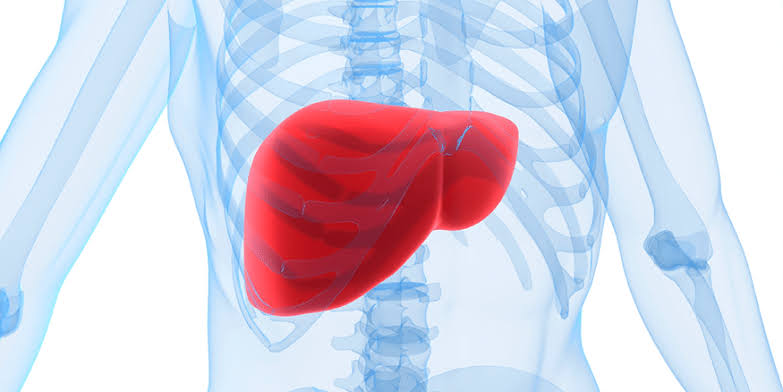

When a child is diagnosed with advanced liver disease, parents face several challenges at once. Along with understanding the medical condition and available treatment options, they must also consider the financial responsibilities involved. A liver transplant can be a life-saving treatment for children with severe liver conditions, but the procedure requires careful planning, specialised medical care, and long-term follow-up.
One of the first questions families ask is about the paediatric liver transplant cost in India. The overall expense depends on several factors, including the child’s medical condition, the type of transplant, hospital facilities, surgical complexity, and post-transplant care.
India has developed specialised facilities for complex liver procedures, including transplantation in infants and children. Understanding the treatment process and the expenses involved can help parents make informed decisions and prepare for the journey ahead.
What Is a Paediatric Liver Transplant?
A paediatric liver transplant is a surgical procedure in which a diseased or failing liver is replaced with a healthy liver or a suitable portion of one. It is performed when a child’s liver can no longer function adequately despite medical treatment.
Unlike adult transplantation, paediatric liver transplantation requires special consideration because children’s bodies are still developing. The size of the donor liver, the child’s age and weight, and the complexity of the underlying condition all influence surgical planning.
A transplant may be recommended for children experiencing:
- Biliary atresia, a condition in which bile ducts are absent, damaged, or blocked.
- Acute liver failure resulting from severe liver injury.
- Genetic or metabolic liver disorders.
- Advanced cirrhosis and chronic liver disease.
- Certain liver tumours.
- Severe complications associated with long-term liver damage.
The decision to proceed with transplantation is made after detailed medical evaluation by a specialised transplant team.
What Is the Paediatric Liver Transplant Cost in India?
The paediatric liver transplant cost in India generally ranges from approximately ₹15 lakh to ₹35 lakh or more. However, this is an indicative range rather than a fixed price. The actual expense can vary significantly depending on the hospital, child’s condition, donor type, surgical requirements, and length of hospitalisation.
Families should request a detailed cost estimate from the transplant centre because some hospitals may include certain services in their package while charging separately for others.
The overall cost may include:
- Initial consultations and medical investigations.
- Blood tests and imaging procedures.
- Donor evaluation and compatibility testing.
- Liver transplant surgery and anaesthesia.
- Operation theatre and intensive care facilities.
- Hospitalisation and nursing care.
- Medicines and immunosuppressive therapy.
- Follow-up consultations and monitoring.
In some cases, additional procedures or longer intensive care stays may increase the total expenditure.
Factors That Influence the Cost of a Child Liver Transplant
The cost of transplantation is not identical for every child. Several medical and hospital-related factors determine the final treatment expense.
1. Type of Liver Transplant
The type of transplant is one of the major factors affecting the overall cost.
The two commonly performed approaches include:
Living donor liver transplant: A healthy adult donor, often a family member, donates a suitable portion of their liver. The donor and recipient undergo separate medical evaluations, and the procedure involves surgery for both.
Deceased donor liver transplant: A suitable liver becomes available from a deceased donor through the authorised organ allocation system. The availability of a compatible organ depends on medical urgency, allocation criteria, and other factors.
Both procedures require specialised surgical expertise and careful post-operative monitoring.
2. Child’s Age and Medical Condition
A child’s age, weight, and general health can influence surgical planning. Infants and smaller children may require more complex surgical techniques because of their smaller blood vessels and anatomical structures.
Children with additional medical complications may also need specialised support before and after surgery, which can increase treatment expenses.
3. Hospital Infrastructure and Facilities
Paediatric liver transplantation requires a multidisciplinary medical team and advanced hospital infrastructure.
Important facilities include:
- Dedicated paediatric intensive care units.
- Experienced transplant surgeons.
- Paediatric anaesthesia specialists.
- Advanced diagnostic and imaging services.
- Blood bank and laboratory support.
- Specialised nursing and infection-control facilities.
The availability of these services can influence hospital charges and the overall treatment package.
4. Duration of Hospital Stay
The length of hospitalisation varies from one child to another. Some children recover according to the expected timeline, while others may require extended intensive care or additional treatment.
Complications such as infections, bleeding, or difficulties with graft function may increase the duration of hospitalisation and associated costs.
5. Medicines and Long-Term Monitoring
A liver transplant does not end when the surgery is completed. Children generally require lifelong medical supervision and immunosuppressive medicines to reduce the risk of organ rejection.
Regular blood tests, liver function monitoring, imaging, and consultations form an important part of long-term care.
These ongoing expenses should be included in the family’s financial planning.
What Does the Paediatric Liver Transplant Process Involve?
Understanding the treatment journey can help parents prepare emotionally, medically, and financially.
Step 1: Initial Consultation and Evaluation
The transplant team reviews the child’s medical history, symptoms, previous treatments, and existing investigation reports.
Blood tests, liver function tests, ultrasound examinations, and other investigations may be recommended to understand the severity of liver disease.
Step 2: Donor Evaluation
If a living donor transplant is being considered, the potential donor undergoes detailed medical and compatibility assessments.
Doctors evaluate factors such as blood group compatibility, liver anatomy, general health, and suitability for donation. Donor safety remains an essential consideration throughout the process.
Step 3: Transplant Planning
After completing the evaluations, the medical team discusses the most appropriate transplant approach.
Parents receive information about the procedure, expected hospital stay, possible complications, recovery requirements, and estimated expenses.
Step 4: Surgery and Intensive Care
During transplantation, the diseased liver is removed and replaced with the donor liver or a suitable portion.
Following surgery, the child is monitored closely in the intensive care unit. Doctors assess liver function, circulation, infection risks, and overall recovery.
Step 5: Recovery and Follow-Up
Once the child’s condition becomes stable, the medical team gradually plans the transition from intensive care to regular hospital care and eventually discharge.
Parents are guided about medication schedules, nutrition, hygiene, warning signs, and follow-up appointments.
How Can Parents Prepare Financially for a Liver Transplant?
Financial preparation is an important part of managing a complex medical procedure. Parents should understand both immediate hospital expenses and the ongoing costs associated with recovery.
Here are some practical steps to consider:
Request a detailed cost estimate: Ask the hospital for a written breakdown covering surgery, investigations, donor evaluation, intensive care, medicines, and hospitalisation.
Understand what the package includes: Check whether blood products, additional procedures, complications, and extended hospital stays are covered.
Review health coverage: Contact the provider to understand whether paediatric liver transplantation, donor-related expenses, pre-hospitalisation investigations, and post-operative treatment are covered under the policy.
Explore financial assistance: Depending on eligibility, families may investigate government health schemes, charitable organisations, hospital assistance programmes, and other financial support options.
Plan for follow-up expenses: Medicines, laboratory tests, consultations, and travel for medical appointments may continue long after discharge.
Having a clear financial plan can reduce uncertainty and allow parents to focus more effectively on their child’s recovery.
Why Is Choosing the Right Paediatric Liver Transplant Team Important?
The cost of surgery is an important consideration, but it should not be the only factor when selecting a transplant centre.
Paediatric liver transplantation requires coordination between several medical specialists. The treatment team may include transplant surgeons, paediatric hepatologists, anaesthesiologists, intensivists, dietitians, psychologists, and specialised nurses.
Parents should consider the following before choosing a hospital:
- Experience in managing paediatric liver transplant cases.
- Availability of dedicated paediatric intensive care.
- Expertise in living and deceased donor transplantation.
- Facilities for managing post-transplant complications.
- Clear communication about treatment risks and expected outcomes.
- Availability of long-term follow-up services.
A transparent discussion with the medical team can help families understand the treatment approach and make decisions based on their child’s individual needs.
Life After a Paediatric Liver Transplant
Recovery continues well beyond the hospital stay. Children need regular medical supervision to ensure that the transplanted liver is functioning properly.
Immunosuppressive medicines are generally required to prevent the immune system from attacking the transplanted organ. These medicines must be taken according to the transplant team’s instructions.
Parents should also pay attention to:
- Regular blood tests and medical appointments.
- Balanced nutrition and age-appropriate dietary guidance.
- Proper hand hygiene and infection prevention.
- Monitoring for fever, jaundice, unusual tiredness, or other concerning symptoms.
- Following the prescribed medication schedule.
- Supporting the child’s emotional well-being and development.
If a child develops symptoms such as fever, yellowing of the eyes, persistent vomiting, or unusual weakness after transplantation, parents should contact the transplant team promptly.
With appropriate medical supervision, many children can gradually return to age-appropriate activities, education, and everyday routines. However, recovery and long-term outcomes differ between individuals.
Frequently Asked Questions
1. What is the average paediatric liver transplant cost in India?
The estimated cost generally ranges from ₹15 lakh to ₹35 lakh or more. The final amount depends on the hospital, transplant type, child’s condition, donor evaluation, and post-operative requirements. Families should obtain an individualised estimate from the transplant centre.
2. Can a parent donate a part of their liver to their child?
Yes, a parent may be considered as a living liver donor if they meet the medical, anatomical, compatibility, and legal requirements. A thorough evaluation is necessary to protect both the donor and the child.
3. How long does a child stay in the hospital after a liver transplant?
The hospital stay varies depending on the child’s age, health, surgical recovery, and possible complications. Children may need time in the paediatric intensive care unit before moving to a regular hospital room. The transplant team can provide a more personalised estimate.
4. Does a child need medicines for life after a liver transplant?
Most children require long-term, generally lifelong, immunosuppressive medication to reduce the risk of organ rejection. The medication type and dosage are determined by the transplant team and adjusted according to regular medical assessments.
5. Does health cover paediatric liver transplantation in India?
Coverage depends on the policy, exclusions, waiting periods, and specific transplant-related conditions. Parents should confirm coverage for recipient treatment, donor-related expenses, hospitalisation, medicines, and follow-up care directly with their insurer.
Conclusion
A paediatric liver transplant is a complex but potentially life-saving procedure for children with severe liver disease. Understanding the paediatric liver transplant cost in India, the factors influencing expenses, and the importance of long-term care can help parents prepare for the treatment journey.
Rather than focusing only on the surgery package, families should consider the complete treatment process, including donor evaluation, intensive care, medicines, and follow-up monitoring. Consulting an experienced transplant specialist is essential for understanding the available options and making informed decisions.
Dr Vishal Kumar Chorasiya can be considered as a point of consultation for families seeking to understand paediatric liver transplantation and its medical and financial aspects. Parents should discuss their child’s individual condition, treatment suitability, expected expenses, and long-term care requirements with a qualified transplant specialist before proceeding.