Businesses working across countries and markets often need to communicate with customers, employees, suppliers and partners in multiple languages. From contracts and reports to marketing materials and internal documents, accurate translation can make international communication easier and more consistent. This is where online document translation has become a practical option for modern businesses.
What Is Online Document Translation?
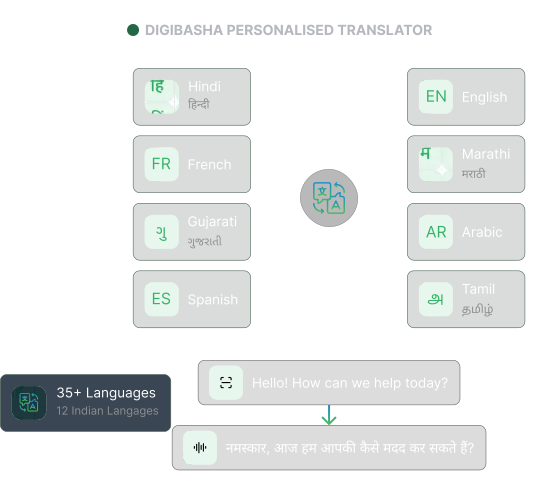
Online document translation involves converting written content from one language into another using digital translation services or platforms. Instead of handling documents manually through traditional processes, businesses can upload files and have their content translated through an online service.
Depending on the platform and document type, businesses may be able to translate presentations, PDFs, spreadsheets, reports, contracts and other commonly used files. This can be particularly useful for organisations that regularly exchange information with international teams or customers.
However, translation is not simply about replacing words from one language with another. Business documents often contain industry-specific terminology, formatting requirements and context that need to be considered during the translation process.
Why Businesses Use Online Document Translation
Supports Global Communication
Companies operating in multiple markets often need to share the same information with people who speak different languages. Translating important documents can help teams communicate more effectively and reduce misunderstandings.
For example, a company expanding into a new market may need to translate product information, employee documents, sales materials and customer communications. Having access to online translation services can make this process easier to manage.
Saves Time
Traditional translation workflows can involve multiple steps, including sending documents, waiting for responses and manually managing translated versions. Online solutions can simplify the process by allowing businesses to submit documents digitally.
This can be especially valuable when teams need translations within shorter project timelines. Faster access to translated documents can help employees continue working without unnecessary delays.
Supports Distributed Teams
Modern organisations often have employees, customers and business partners spread across different countries. Language differences can create communication barriers when teams collaborate on projects.
Translated documents can help employees access important information in their preferred language. This can support smoother collaboration across international teams.
What Types of Documents Can Be Translated?
The exact capabilities vary between providers, but businesses commonly require translation for:
- Business reports and presentations
- Contracts and agreements
- Product documentation
- Marketing materials
- Employee communications
- Training documents
- Customer-facing information
- Technical documents
The appropriate translation approach depends on the document’s purpose and the level of accuracy required.
Translation Accuracy Matters
Businesses should not evaluate a translation service only on speed. Accuracy, context and consistency are equally important, particularly when documents contain technical or industry-specific terminology.
A literal translation may not always communicate the intended meaning. Professional translation services can account for language nuances, cultural context and terminology to make the final document more suitable for its intended audience.
Businesses should also maintain consistent terminology across documents. This becomes increasingly important for organisations that regularly produce content in multiple languages.
Online Translation and Business Growth
Translation can support companies as they expand into international markets. When customers can access information in their preferred language, businesses may create a more accessible and consistent communication experience.
The same principle applies internally. Multilingual organisations can use translated documents to help employees access policies, training materials and business information regardless of their location.
As international business communication becomes increasingly digital, companies need efficient ways to manage multilingual content. Online document translation can form part of a broader communication strategy that supports employees, customers and partners across markets.
How to Choose a Document Translation Service
Before selecting a provider, businesses should consider the types of documents they regularly translate, the languages required and the expected volume of content. Security and privacy should also be considered when documents contain confidential business information.
It is useful to evaluate whether the service can preserve document formatting and maintain terminology consistently. Businesses may also want to consider turnaround times, human review options and the level of support available.
The right service should fit the organisation’s workflow rather than simply offering the largest number of languages.
Supporting Modern Business Communication
Effective multilingual communication is increasingly important for businesses operating across borders. Online document translation can help organisations manage translated content more efficiently while making important information accessible to wider audiences, including through asset IT management software.
SprintCart provides digital solutions designed to support modern business communication and collaboration. Businesses exploring online document translation and other digital communication needs can consider solutions that fit their workflow, teams and international growth objectives.