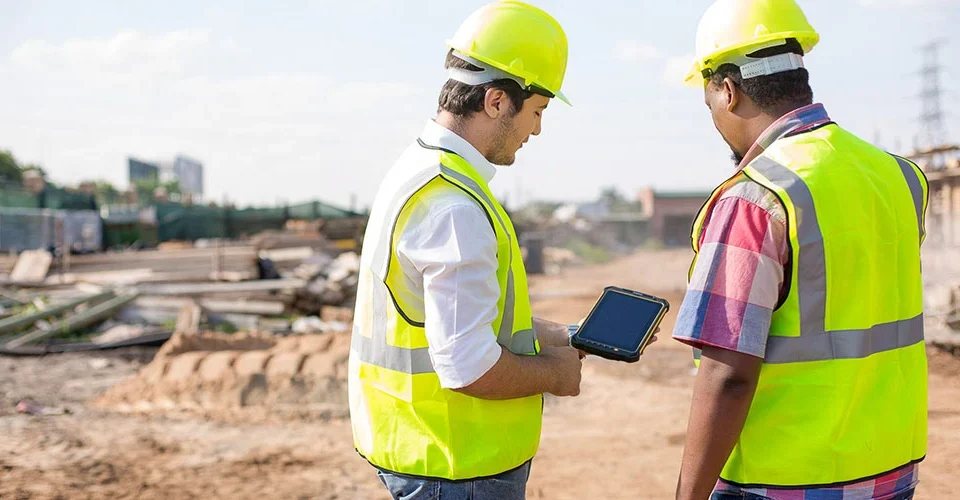

Building a new home is an exciting experience, but a fresh-looking property does not automatically mean every part of the construction has been completed correctly. Small mistakes during building can become expensive problems after walls are closed, flooring is installed, and the property is ready for occupancy. Checking the work at important stages helps identify concerns before they become harder to fix. New Construction Inspections give buyers, builders, and property owners a better understanding of the workmanship, materials, and visible conditions throughout a construction project. They also provide an opportunity to address problems before the next stage begins.
Why Inspections Matter During New Construction
New buildings are expected to meet applicable building codes, approved plans, and construction requirements. However, mistakes can happen during any project, even when experienced workers are involved. Improper installation, missing materials, poor drainage, and overlooked details may affect the building’s performance over time. New Construction Inspections help identify visible issues while the construction work is still accessible. Finding a problem early can make corrections easier and reduce the chance of costly repairs after completion. These inspections also give property owners useful information about the condition of their investment before accepting the finished building.
Checking the Foundation and Structural Work
The foundation supports the entire building, so its condition is an important part of the construction process. Before concrete is poured, certain projects may require checks of excavation, reinforcement, and other preparation details. Once the foundation is completed, visible conditions such as cracks, uneven areas, and signs of water concerns may need attention. Structural framing should also be reviewed for proper alignment, connections, and visible workmanship. New Construction Inspections in Baltimore can help identify concerns at these stages before additional materials cover important components. Following the approved plans and having required inspections completed helps support the long-term stability of the structure.
Inspecting Framing Before Walls Are Closed
Framing creates the basic shape and support system of a building. It includes walls, floors, roof structures, and other components that must be installed according to the construction plans. Before insulation and drywall cover these areas, it is easier to observe framing conditions, visible connections, and possible installation mistakes. Inspectors may look for damaged materials, improper spacing, missing supports, or other concerns within the agreed inspection scope. New Construction Inspections at the framing stage provide an opportunity to address problems while the structure remains accessible. This step can help prevent issues from being hidden behind finished surfaces.
Reviewing Plumbing and Electrical Installation
Plumbing and electrical work should be completed carefully because these systems are difficult and expensive to modify after construction is finished. Plumbing inspections may involve checking accessible pipes, drainage arrangements, water supply connections, and visible fixture installations. Electrical reviews may include accessible wiring, outlets, switches, panels, and other components within the inspection scope. Some checks must be performed by licensed tradespeople or approved authorities. New Construction Inspections can help identify visible concerns and highlight areas that may need further evaluation. Proper coordination between contractors is important to ensure these systems are installed safely and according to project requirements.
Evaluating Roofing and Exterior Protection
The roof and exterior surfaces protect a new building from rain, wind, sunlight, and changing weather conditions. Missing shingles, poor flashing details, damaged siding, and incorrectly installed drainage components can allow water to enter the structure. Windows and exterior doors should also be checked for visible installation problems and gaps that may affect weather protection. New Construction Inspections help review these areas before the property is considered complete. Paying attention to roof drainage, exterior sealing, and other protective details can help reduce the risk of moisture damage and unnecessary maintenance after the building is occupied.
Checking Insulation, Ventilation, and Energy Performance
Insulation and ventilation contribute to indoor comfort and help manage moisture within a building. Poorly installed insulation may leave gaps, while inadequate ventilation can contribute to condensation and indoor air concerns. Inspectors may review accessible insulation areas, ventilation openings, exhaust systems, and visible installation details. Energy performance also depends on factors such as window quality, air sealing, and properly installed heating and cooling equipment. New Construction Inspections can help identify visible deficiencies before walls and ceilings are fully finished. Addressing these concerns during construction may help reduce energy waste and improve comfort throughout the property.
Why a Final Walkthrough Is Important
Before a newly built property is handed over, a final inspection provides an opportunity to review completed work. This may include checking doors, windows, floors, ceilings, fixtures, appliances, plumbing, electrical components, and visible finishes. Inspectors may also identify incomplete work, damaged materials, or items that do not appear to function as intended. New Construction Inspections at the final stage help buyers create a record of concerns that should be discussed with the builder. It is useful to complete this review before closing or final acceptance whenever possible, while remembering that some issues may only become noticeable after the property is occupied.
Understanding Inspection Reports and Follow-Up Work
A written inspection report helps organize findings and makes it easier to communicate concerns to the builder or construction team. It may include photographs, descriptions of visible defects, and recommendations for further assessment. Not every observation represents a major problem, so findings should be reviewed according to their importance and possible impact. New Construction Inspections provide information that can help property owners request corrections and confirm that identified concerns have been addressed. Keeping inspection reports and repair records can also be useful for future maintenance, warranty discussions, and property documentation.
Protecting Your Investment From the Beginning
A new building represents a major financial commitment, and checking the construction carefully can help protect that investment. Inspections at suitable stages allow visible problems to be identified before they are covered or become more difficult to repair. They also help buyers understand the condition of the completed property and ask informed questions before accepting it. While inspections do not replace municipal code approvals, specialist evaluations, or the builder’s responsibilities, they provide an additional level of review. Arranging New Construction Inspections at important points in the project can support better workmanship, clearer communication, and a more informed handover.
