
Food is fundamental to human existence, and the science behind how it is produced, processed, preserved, and made safe is increasingly critical in a world of growing populations, climate change, and rapidly evolving consumer preferences. MSc Food Science and Technology is a postgraduate program that sits at the intersection of chemistry, biology, engineering, and business — producing professionals who drive innovation in one of the world’s largest industries. For students passionate about applying science to improve the food we eat, this degree is a gateway to a dynamic and impactful career.
What Is MSc Food Science and Technology?
MSc Food Science and Technology is a two-year postgraduate program that provides advanced knowledge in the science and engineering of food production and processing. Key areas of study include:
- Food Chemistry and Biochemistry
- Food Microbiology and Safety
- Food Processing and Preservation Technologies
- Sensory Science and Food Quality
- Functional Foods and Nutraceuticals
- Food Packaging and Distribution
- Regulatory Affairs and Food Standards
- New Product Development
- Food Biotechnology
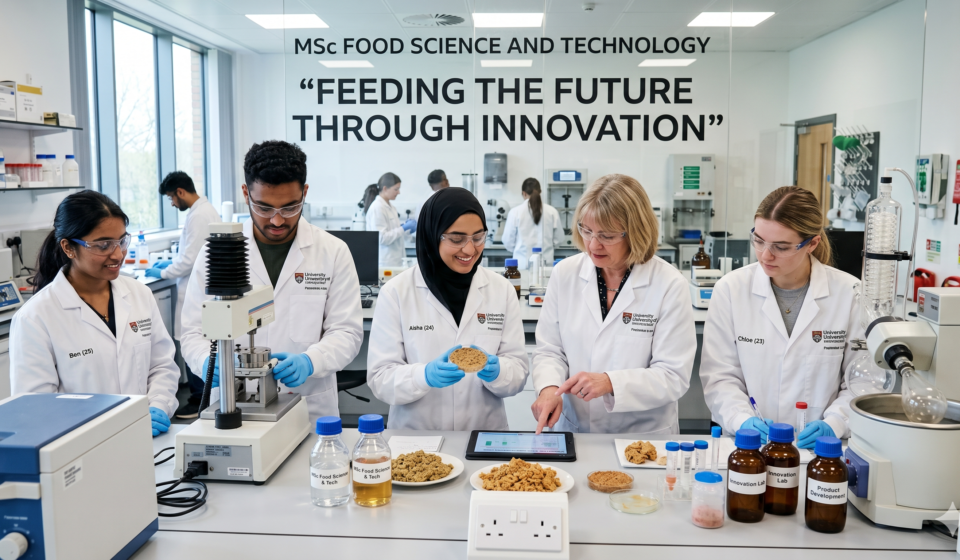
Students gain both strong theoretical knowledge and extensive lab-based and industrial training.
The Importance of Food Science in India
India is one of the world’s largest food producers and has a rapidly growing food processing industry. The Indian food processing sector contributes significantly to GDP and employs millions. With increasing urbanization, changing dietary habits, and growing food safety regulations, the need for qualified food scientists has never been greater.
The government’s push for food processing under initiatives like ‘Make in India’ and ‘PLI Scheme for Food Processing’ further underscores the strategic importance of this field. MSc Food Science and Technology graduates are perfectly positioned to serve these growing industry needs.
Career Opportunities After MSc Food Science and Technology
Graduates of MSc Food Science and Technology are in demand across multiple sectors:
Food Industry R&D: Companies like Nestlé, ITC, Britannia, Amul, and hundreds of SMEs in the food sector hire food scientists to develop new products, improve formulations, and ensure quality.
Food Safety and Quality Control: Regulatory compliance is a major concern in the food industry. Quality assurance officers and food safety managers are essential roles in manufacturing.
Regulatory Affairs: Organizations navigating FSSAI regulations and international food standards need professionals who understand both the science and the legal framework of food safety.
Academia and Research: Postgraduate degrees in food science can lead to doctoral research, academic positions, and contribution to cutting-edge food innovation.
Functional Food and Nutraceutical Companies: The health food market is booming. Companies developing probiotics, fortified foods, and nutraceuticals need food scientists to drive product development.
Innovation in Food Science
Food science is not a static field — it is one of the most innovative. From plant-based meat alternatives and lab-grown proteins to AI-driven food formulation and smart packaging, the industry is undergoing a transformation. MSc graduates who keep pace with these innovations are equipped to lead their organizations forward and contribute to global food security.
Why Postgraduate Study in Food Science Matters
While a BSc in food science or a related discipline provides foundational knowledge, an MSc program offers the depth, specialization, and research experience that industry leadership roles demand. It also provides access to cutting-edge laboratory equipment, industry collaborations, and networks that accelerate career development.
Conclusion
The future of food depends on science, innovation, and skilled professionals who can bridge the gap between laboratory research and the dinner table. An MSc Food Science and Technology degree positions you at the forefront of this vital and growing industry. If you’re driven by scientific curiosity and want to make a tangible impact on what people eat and how safely they eat it, explore the postgraduate Food Science program at Amity University, Mohali, and start feeding your future today.