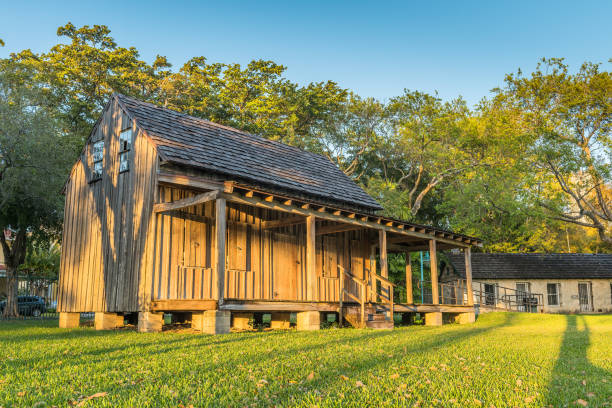

The Midwest of the United States is filled with rural charm, agricultural history, and scenic countryside views, but few places capture that beauty quite like Ohio’s Miami Valley region. Known for its fertile farmland, rolling hills, and historic rural architecture, this area has preserved many traditional barns that reflect the agricultural roots of the region.
Barns here are not just old wooden structures—they are living symbols of farming heritage, craftsmanship, and community life. Many have been carefully restored, while others still function as active farm buildings supporting modern agriculture. Visitors, photographers, and history lovers are increasingly drawn to this region for its peaceful landscapes and timeless rural atmosphere.
The Agricultural Heritage of the Region
The Miami Valley has long been one of Ohio’s most productive farming areas. Its rich soil and access to water from the Great Miami River system make it ideal for crops like corn, soybeans, wheat, and hay. This agricultural success led to the construction of thousands of barns over the past two centuries.
These barns were originally designed for practical farming needs—storing crops, housing animals, and protecting equipment. Over time, they became architectural landmarks that reflect the lifestyle and values of early settlers in the region.
Today, many of these structures still stand, offering a glimpse into a slower, more traditional way of life.
Architectural Styles Found in Barns
One of the most fascinating aspects of barns in this region is their architectural diversity. Different time periods and cultural influences shaped how these structures were built.
Common styles include:
- Bank Barns: Built into hillsides for easy multi-level access
- Gambrel Roof Barns: Known for their curved roof design, maximizing storage space
- English Barns: Simple and traditional, often among the oldest designs
- Round Barns: Rare but visually striking, designed for efficiency
- Pole Barns: More modern and functional for large-scale farming
Each structure tells a story about the farming needs and construction techniques of its era.
Why These Barns Are Still Important Today
Although modern agriculture has shifted toward advanced machinery and industrial-scale operations, barns continue to play an important role in rural Ohio. Some are still actively used for farming, while others have been repurposed into event venues, wedding locations, or historical museums.
They also serve as cultural landmarks. Many communities take pride in preserving these structures because they represent family history and local identity. In some areas, restoration projects have become community efforts aimed at maintaining rural heritage for future generations.
Scenic Beauty and Photography Appeal
One of the biggest reasons people visit this region is its natural beauty. The combination of open fields, wooden barns, and seasonal colors creates perfect conditions for photography.
Spring brings fresh greenery, summer highlights golden crops, fall adds warm red and orange tones, and winter offers a quiet, snowy landscape that enhances the rustic charm.
Photographers often travel long distances just to capture the perfect barn silhouette against sunrise or sunset skies.
Mid-Region Rural Experience
Travelers exploring Miami Valley often describe the experience as peaceful and nostalgic. Small country roads lead through farmland where historic structures appear unexpectedly between fields and tree lines.
In the middle of this rural landscape, miami valley barns become a defining feature of the scenery, standing as reminders of the region’s long agricultural history and enduring connection to the land.
Preservation and Restoration Efforts
Over the years, many barns have faced deterioration due to weather, neglect, and modernization of farming methods. However, local communities and historical organizations have made strong efforts to preserve these structures.
Restoration projects often involve:
- Replacing damaged wood while keeping original design
- Reinforcing foundations for long-term stability
- Preserving original paint and signage
- Converting barns into public-use spaces
These efforts ensure that future generations can continue to appreciate the architectural and cultural value of these buildings.
Barns as Event and Tourism Spaces
In recent years, many restored barns have found new life as event venues. Weddings, festivals, and community gatherings are now commonly hosted in these rustic spaces.
The combination of natural beauty and historical charm makes barns an attractive alternative to modern event halls. Visitors often appreciate the warm, rustic atmosphere that cannot be replicated in urban settings.
Tourism in the region has also grown as more people seek authentic rural experiences away from crowded cities.
Seasonal Changes and Their Impact
Each season brings a different personality to the barns and surrounding farmland.
- Spring: Fresh growth and blooming fields
- Summer: Lush greenery and active farming
- Fall: Peak beauty with colorful foliage
- Winter: Quiet, snowy landscapes with strong visual contrast
These seasonal changes make the region appealing year-round, especially for photographers and nature lovers.
Cultural and Historical Value
Beyond their physical appearance, barns hold deep cultural meaning. They represent the hard work of generations of farmers who built their livelihoods around the land.
Many families in the region still have barns passed down through generations, making them part of personal and community identity. Some barns even have names, stories, and historical records attached to them.
This emotional connection is one of the reasons preservation efforts remain strong.
Tourism and Travel Experience
Visitors to the region often combine barn sightseeing with other rural activities such as:
- Scenic drives through farmland
- Visits to local markets and farms
- Hiking in nearby natural areas
- Exploring small historic towns
These experiences provide a full immersion into rural Midwestern life. Unlike typical tourist destinations, this region offers authenticity, calmness, and a connection to nature.
Future of Barn Preservation
As farming continues to modernize, the future of these barns depends heavily on preservation awareness. Many organizations are encouraging adaptive reuse, where old barns are transformed into functional spaces without losing their historical identity.
There is also growing interest in rural tourism, which helps fund restoration projects and keeps these structures relevant in modern times.
With continued support, these barns can remain a lasting symbol of the region’s agricultural heritage.
Conclusion
The barns of Ohio’s Miami Valley region are more than just old farm buildings—they are cultural treasures that reflect history, craftsmanship, and rural life. Their presence across the landscape adds character and beauty to an already scenic region.
From architectural variety to seasonal charm, these structures continue to attract visitors, photographers, and historians alike. Preserving them ensures that future generations can experience the same sense of connection to the land and its history that exists today.
FAQs
1. Why are barns in this region historically important?
They represent the agricultural heritage of early settlers and reflect traditional farming methods that shaped the region’s development.
2. Can visitors tour these barns?
Yes, many restored barns are open to the public as part of farms, museums, or event venues, especially during seasonal festivals.
3. What is the best time to visit for photography?
Fall is considered the best season due to colorful foliage, but spring and winter also offer unique scenic views of the countryside.
