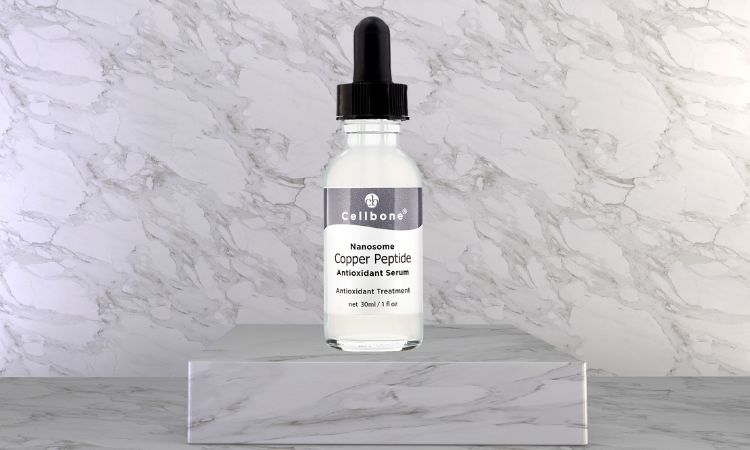

Mature skin doesn’t just need “anti-aging” products. What it really needs is support, ingredients that help the skin repair itself, hold moisture better, and maintain the structure that keeps it looking smooth and healthy. As we age, collagen levels slowly decline, the skin barrier becomes more delicate, and recovery after irritation takes longer.
One of the most talked about in recent years is copper peptide serum, which has quietly become a staple in many mature skincare routines. In this article, we’ll explore how copper peptides work, why they’re often recommended for aging skin, and how to use them realistically within a simple daily routine.
Why Mature Skin Starts Behaving Differently Over Time
Skin changes gradually, and most people begin noticing those shifts somewhere in their late thirties or early forties. Texture may feel thinner, fine lines around the eyes and mouth become more noticeable, and the overall glow that once came naturally starts fading.
Several biological changes are responsible for this. Collagen production slows down, elastin fibers lose some flexibility, and the natural renewal cycle of skin cells becomes less efficient. Instead of shedding old cells quickly, the skin holds onto them longer, which can make the surface look dull or uneven.
Another common change is reduced resilience. Mature skin tends to react more strongly to environmental stressors like sun exposure, pollution, or harsh products. Because of this, dermatologists often recommend ingredients that focus on strengthening and repairing the skin rather than aggressively resurfacing it.
What Copper Peptides Actually Do for the Skin
Copper peptides are small protein fragments combined with copper ions. In dermatology, these molecules are known for their role in skin repair and regeneration. They help signal the skin to produce important structural components like collagen and elastin.
When used consistently, products containing copper peptides may help improve skin firmness and texture. The effect isn’t dramatic overnight, but gradual improvement is the goal. Instead of forcing the skin into rapid turnover, peptides support the natural repair process.
Why Dermatologists Often Suggest Peptides for Aging Skin
Dermatology has shifted quite a bit over the past decade. While strong exfoliants and aggressive treatments still have their place, many skincare experts now emphasize barrier health and long-term skin resilience.
Peptides fit into that philosophy well. Mature skin usually responds better to ingredients that strengthen its foundation instead of constantly pushing it into high turnover.
Copper peptides can support several processes that aging skin naturally struggles with. They assist in wound healing, help improve elasticity, and support collagen production. This combination makes them particularly useful for people who want gradual improvement without the irritation sometimes associated with retinoids or high-strength exfoliating acids.
How to Add Copper Peptides to a Simple Skincare Routine
One of the advantages of peptide products is how easily they fit into everyday skincare. Most formulas come in lightweight serums that absorb quickly and layer well with other products.
Typically, a copper peptide serum is applied after cleansing and before heavier creams or moisturizers. Using it once or twice daily can be enough for most people. The key is consistency rather than quantity.
A routine doesn’t need to be complicated for peptides to work well. A gentle cleanser, a peptide serum, a moisturizer, and sunscreen during the day can form a solid foundation for mature skin. Adding too many active ingredients often leads to irritation, which defeats the purpose of barrier-supporting skincare.
How Long It Usually Takes to Notice Changes
Skincare results often require patience, especially when the goal is strengthening skin rather than forcing rapid resurfacing.
For most people, subtle improvements begin appearing within 4-8 weeks of regular use. Skin may feel slightly firmer, texture can appear smoother, and overall tone often looks more even. These changes tend to build slowly over time rather than showing up dramatically after a few days.
External factors also play a big role. Sun exposure, hydration levels, sleep habits, and overall skincare consistency all influence how well the skin responds to peptide products.
Combining Copper Peptides With Other Treatments
Copper peptides generally work well alongside many other skincare ingredients, but balance is important. Mature skin usually benefits from alternating stronger treatments with gentler repair-focused ingredients.
For example, some people occasionally use exfoliating treatments such as a salicylic acid peel to remove buildup and improve skin texture. Exfoliation can help serums absorb more effectively, but it should be used carefully and not on the same day as multiple active ingredients.
Spacing treatments across different days often keeps the skin calmer and allows repair ingredients like peptides to do their job without unnecessary irritation.
Is Copper Peptide Serum Suitable for Sensitive Skin?
One reason peptides have gained popularity is their reputation for being relatively gentle. Unlike retinoids or strong acids, copper peptides usually don’t cause visible peeling or redness.
That said, every person’s skin behaves differently. Anyone introducing a new skincare product should perform a patch test before applying it to the entire face. Mature skin can sometimes react unexpectedly, particularly if it’s already using several active treatments.
Choosing formulas that include hydrating ingredients such as hyaluronic acid or soothing agents like ceramides can help make peptide serums even more comfortable to use.
FAQs
What does copper peptide serum do for mature skin?
Copper peptides support collagen production and help strengthen the skin barrier, which can improve firmness and reduce the appearance of fine lines.
Can copper peptide serum be used every day?
Yes, most formulations are designed for daily use and can be applied once or twice a day depending on the routine.
At what age should someone start using copper peptides?
Many people begin incorporating peptide products in their late thirties or early forties when collagen production naturally begins to decline.
How long does it take to see results from copper peptides?
Most people begin noticing subtle improvements in skin texture and firmness after four to eight weeks of consistent use.
Is copper peptide serum safe for sensitive skin?
It is generally considered gentle, but patch testing is recommended before regular use.
To Read More blogs: https://enterprisingcore.com/