
A straight smile can make everyday activities, from speaking to smiling in photographs, feel more comfortable. However, orthodontic treatment is about more than appearance. Properly aligned teeth can make oral hygiene easier, support a balanced bite, and reduce certain dental problems associated with crowding or uneven spacing. Understanding the available treatment options is an important first step for anyone considering Invisalign and Orthodontic Care in Woodbridge.
Modern orthodontics offers several approaches to improving tooth alignment. Clear aligners and traditional braces are among the most common choices, each offering different advantages depending on a person’s dental condition, lifestyle, and treatment goals.
Understanding Modern Orthodontic Treatment
Orthodontic care focuses on correcting the position of teeth and addressing bite-related concerns. Teeth that overlap, have noticeable gaps, or do not meet properly can affect both oral function and appearance.
Common orthodontic concerns include:
- Crowded teeth: When there is insufficient space for teeth to align properly.
- Gaps between teeth: Spaces that may develop naturally or because of differences in tooth size and jaw structure.
- Overbite: When the upper front teeth extend too far over the lower teeth.
- Underbite: When the lower teeth sit in front of the upper teeth.
- Crossbite: When some upper teeth sit inside the lower teeth during biting.
- Open bite: When the upper and lower front teeth do not meet when the mouth is closed.
An orthodontic assessment helps determine the nature of these concerns and whether treatment is appropriate. The recommended approach depends on the complexity of the alignment issue and the patient’s overall oral health.
What Is Invisalign and How Does It Work?
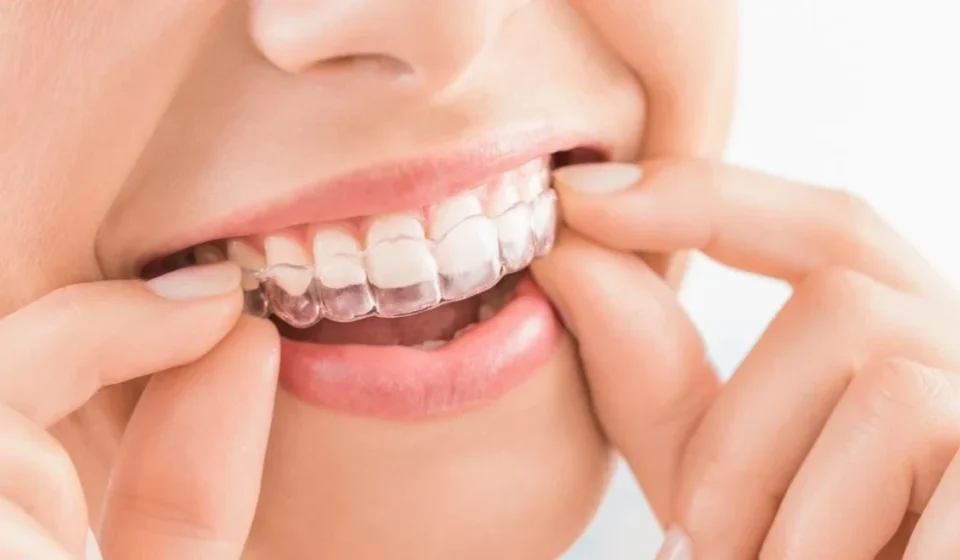
Invisalign is an orthodontic treatment that uses a series of clear, removable plastic aligners to gradually move teeth into planned positions. Unlike traditional braces, these aligners do not rely on metal brackets and wires.
Each set of aligners is designed to apply controlled pressure to specific teeth. Patients typically progress through multiple sets according to a treatment schedule provided by their dental professional.
One of the main reasons people consider Invisalign is its discreet appearance. The transparent material makes the aligners less noticeable during everyday activities.
Benefits of Clear Aligners
Clear aligners offer several practical advantages:
Nearly invisible appearance: Their transparent design makes them a popular choice for adults and teenagers who prefer a subtle orthodontic option.
Removability: Aligners can be taken out when eating, drinking anything other than water, brushing, and flossing.
Convenient oral hygiene: Since there are no fixed brackets or wires, patients can maintain their regular brushing and flossing routines.
No dietary restrictions from brackets: Patients can remove their aligners before meals and enjoy their usual foods, provided they clean their teeth before putting the trays back in.
However, successful treatment requires consistency. Aligners generally need to be worn for approximately 20–22 hours daily, following the treating professional’s instructions.
Invisalign vs. Traditional Braces: Which Is Better?
Both Invisalign and traditional braces can improve tooth alignment, but they work differently. Choosing between them requires considering the dental condition, lifestyle preferences, and expected treatment complexity.
Traditional braces use brackets attached to the teeth and connected by wires. Adjustments gradually guide teeth into their desired positions. They remain fixed throughout treatment, which means patients do not need to remember to put them back after meals.
Invisalign, on the other hand, provides flexibility through removable trays. This can make eating and cleaning teeth more convenient, although patients must remain disciplined about wearing their aligners.
| Feature | Invisalign | Traditional Braces |
|---|---|---|
| Appearance | Transparent aligners | Visible brackets and wires |
| Removability | Removable | Fixed |
| Eating | Removed during meals | Some food restrictions |
| Cleaning | Regular brushing and flossing | Requires extra cleaning around brackets |
| Compliance | Requires consistent wear | Remains in place |
Neither option is automatically better for everyone. Some complex orthodontic cases may respond more predictably to braces, while many mild to moderate alignment concerns can be treated with clear aligners. A professional examination is necessary to determine suitability.
What to Expect During Orthodontic Treatment
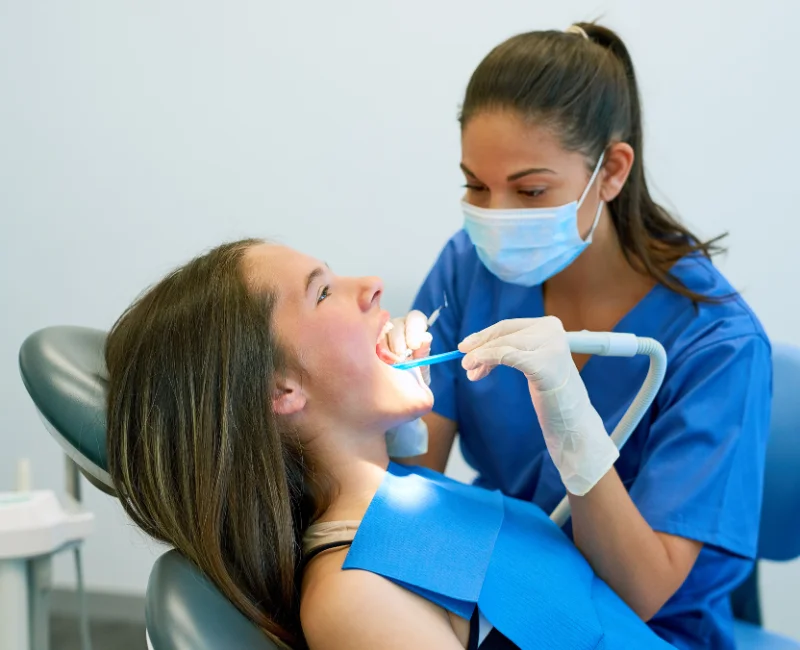
Starting orthodontic treatment involves several stages. Understanding the process can help patients feel more prepared and make informed decisions.
1. Initial Consultation
The first step is a dental assessment. The provider examines tooth alignment, bite position, gum health, and other factors that may influence treatment.
2. Personalized Treatment Planning
Based on the examination, the dental professional recommends an appropriate treatment method. Digital scans, photographs, and dental imaging may be used when necessary to evaluate tooth positioning and plan movement.
3. Beginning Treatment
For Invisalign patients, custom aligners are provided with instructions about wearing and changing each set. Patients receiving braces have brackets and wires placed and receive guidance about cleaning and maintenance.
4. Progress Monitoring
Regular appointments help the dental professional monitor tooth movement and make adjustments when needed. Invisalign patients may receive additional aligner sets as treatment progresses.
5. Retention After Treatment
Once the teeth reach their planned positions, retainers help maintain the results. Teeth can gradually shift over time, so following the recommended retainer schedule is an important part of long-term orthodontic care.
Maintaining Oral Health During Orthodontic Treatment
Good oral hygiene is essential throughout orthodontic treatment. Food particles and plaque can accumulate around teeth and orthodontic appliances, increasing the risk of cavities and gum inflammation.
Patients can support their dental health by brushing twice daily with fluoride toothpaste, flossing regularly, and attending routine dental checkups.
Those using Invisalign should clean their aligners according to professional instructions. Rinsing them with lukewarm water and using suitable cleaning products can help prevent buildup. Hot water should be avoided because it may distort the aligner material.
Patients with braces may benefit from specialized interdental brushes or flossing tools that make cleaning around brackets easier.
Choosing the Right Orthodontic Care
Selecting an orthodontic treatment involves more than comparing appearance and convenience. Patients should consider the condition being treated, expected treatment duration, maintenance requirements, and professional recommendations.
For individuals exploring treatment options, Woodbridge Dental Arts provides information about its orthodontic services and available approaches to improving tooth alignment. Reviewing treatment information and discussing individual concerns with a dental professional can help patients understand which options may suit their needs.
It is also helpful to ask questions about follow-up appointments, retainer requirements, treatment expectations, and the responsibilities involved in maintaining results.
Conclusion
Orthodontic treatment can support both a healthier bite and a more balanced smile. Invisalign offers a discreet and removable alternative to traditional braces, while fixed braces remain an effective option for many alignment concerns. The right choice depends on individual dental needs, treatment complexity, and personal preferences.
By understanding the available options and maintaining consistent oral hygiene, patients can make informed decisions about their dental care. A professional consultation is the best starting point for developing an orthodontic plan that supports lasting results.